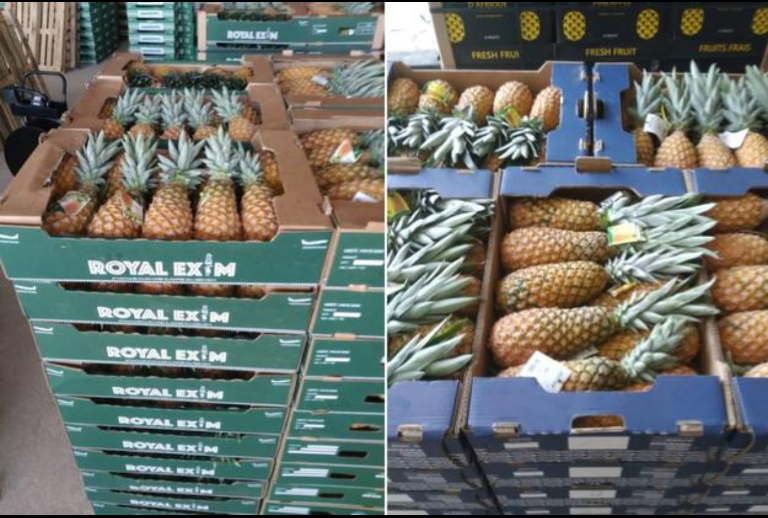
Unpacking the unprecedented growth in bilateral trade
The surge in Benin’s exports to the United Kingdom—reaching £13 million—a 62.5% increase over twelve months ending June 2026, has sent ripples through West African commercial circles. This remarkable shift, documented in the UK Department for Business and Trade’s latest trade statistics, reveals deeper structural changes beneath the surface of seemingly modest bilateral trade growth. While total trade between the two nations rose by only 1.5% to £67 million, the composition of that trade tells a different story.
What’s behind the boom in Benin-UK commerce
The headline number masks critical dynamics at play. While British exports to Benin declined by 6.9% to £54 million, Benin’s exports to the UK surged by 62.5%. This divergence isn’t just statistical—it reflects fundamental shifts in market access, product positioning, and the adaptability of Beninese producers.
The agricultural engine driving trade transformation
Agricultural products now represent the fastest-growing segment of Benin’s UK exports. With fruit and vegetable exports alone valued at £5.2 million—up 400% from previous periods—these goods have become the new face of Benin’s global commercial ambitions. The transformation shows how local producers are moving beyond traditional markets to access sophisticated international supply chains.
The structural realities shaping this export revolution
While the 62.5% growth figure dominates discussions, three critical factors explain this development:
- Regulatory alignment: Beninese exporters have successfully navigated the UK’s stringent sanitary and phytosanitary requirements, a prerequisite for market entry in developed economies.
- Supply chain optimization: Improved storage, transport logistics, and packaging standards have reduced post-harvest losses and increased market reach.
- Market diversification: Exporters have expanded beyond West African regional trade blocs to access European markets through direct UK channels.
Persistent challenges on the path to sustainable growth
Despite this impressive progress, significant hurdles remain for Beninese exporters seeking to maintain momentum:
- Quality standardization: Inconsistent product grading and certification processes continue to limit access to premium market segments.
- Value addition gap: Primary agricultural products still dominate exports, leaving substantial value-added opportunities untapped through local processing.
- Logistical bottlenecks: High transport costs between rural production zones and port facilities reduce profit margins and competitiveness.
What comes next: strategic options for Benin’s trade offensive
The UK currently represents just 1.3% of Benin’s total export market, and the country ranks 169th among UK trading partners. This indicates significant room for growth compared to traditional trading relationships. To consolidate the recent gains—and potentially rebalance trade flows—Benin’s strategic priorities should include:
- Product diversification: Expanding beyond traditional fruits and vegetables to include processed foods, spices, and specialty crops with higher value retention.
- Trade facilitation: Investing in cold chain infrastructure and certification systems to meet UK market requirements consistently.
- Negotiation leverage: Using the newfound export momentum as leverage in bilateral trade negotiations to secure better market access conditions for higher-value goods.
Different metrics, same conclusion
It’s important to note that UK trade statistics may differ from Benin’s official records due to variations in data collection methodologies. However, both datasets confirm the fundamental trend: Benin’s agricultural sector has demonstrated remarkable adaptability in accessing international markets. The challenge now is to translate this provisional success into sustainable commercial relationships that benefit both economies.
Reality check: The trade balance still favors the UK
Despite the spectacular 62.5% growth in exports, the UK remains the dominant player in bilateral trade. With British exports to Benin valued at £54 million compared to Benin’s £13 million in sales to the UK, the trade deficit actually widened to £41 million. This underscores that while Benin’s agricultural sector is making inroads, it has yet to significantly impact the overall trade imbalance. The path to more balanced economic relations requires not just export growth, but transformation of the entire trade structure.