The hidden undercurrents shaping Niger’s World Bank windfall
The Nigerien government faces a pivotal moment as it prepares to receive an additional $760 million from the World Bank, a lifeline intended to boost energy, agriculture, and water infrastructure. Yet beneath the surface of this financial influx lies a disconcerting reality: the country’s capacity to manage this influx transparently is in question. Recent data reveals a stark decline in budget transparency, plummeting from a score of 33 out of 100 in 2023 to just 6 in 2025, as measured by the International Budget Partnership. This erosion of accountability frameworks raises a critical question: can the funds be safeguarded against mismanagement or corruption?
Where transparency failures meet governance vulnerabilities
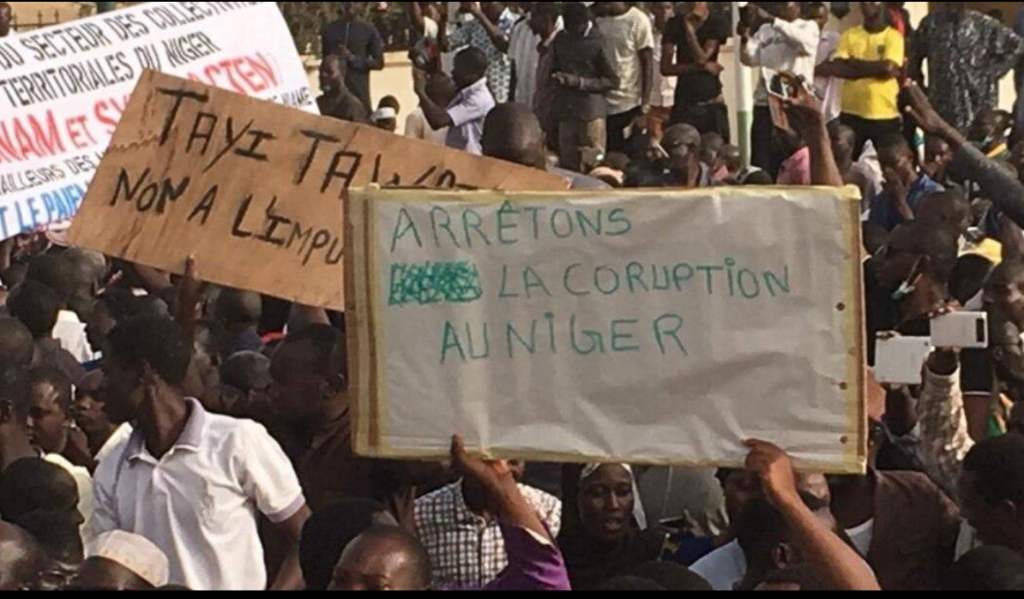
Niger’s budget transparency index, once barely adequate, now reflects a near-total breakdown in oversight mechanisms. The 2025 Open Budget Survey underscores this decline, with the country scoring zero in citizen participation and budget oversight—indicators that reveal systemic gaps in public financial scrutiny. These weaknesses are exacerbated by a shrinking civic space, where independent media, NGOs, and civic organizations face increasing restrictions, further diluting the ability to scrutinize public spending.
This confluence of factors creates a high-risk environment for the incoming funds. Without robust independent oversight, the $760 million could become susceptible to inefficiency, mismanagement, or even embezzlement. The challenge is not merely financial but structural, testing the resilience of Niger’s institutions to absorb and deploy resources responsibly.
The role of civic space in protecting public funds
Transparency and governance are not the sole responsibility of the state. A vibrant civic space—comprising independent media, watchdog organizations, and engaged citizens—serves as a critical line of defense against financial impropriety. Yet current trends suggest this safeguard is weakening. Journalists face operational constraints, NGOs encounter bureaucratic hurdles, and dissenting voices are increasingly marginalized. These developments undermine the very institutions meant to hold power to account.
Historically, countries with restricted civic spaces have seen higher incidences of public fund mismanagement. The absence of scrutiny allows corruption to fester, while financial audits become perfunctory exercises rather than tools for reform. For Niger, this could mean that even well-intentioned development projects fail to deliver their intended impact, leaving communities underserved despite the influx of capital.
Key prerequisites for accountable fund management
The path forward is not insurmountable, but it demands proactive measures from both the Nigerien government and the World Bank. Before disbursing funds, transparency must be non-negotiable. This includes:
- Public disclosure of financial agreements: Detailed breakdowns of how funds will be allocated across sectors, including specific projects and their timelines.
- Transparent procurement processes: Open bidding for contracts, with clear criteria for selection and public access to bid results.
- Independent audits and oversight: Regular, impartial reviews of fund utilization, with findings made publicly available.
- Mechanisms for citizen feedback: Establishing channels for public input and grievances, ensuring communities can voice concerns over project execution.
These steps are not optional; they are essential to prevent the $760 million from becoming another cautionary tale of lost potential. The World Bank, as a partner, must also enforce its own accountability frameworks, ensuring that funds are not disbursed without guarantees of proper oversight.
Sovereignty versus accountability: a false dichotomy
Niger’s leadership has long emphasized economic sovereignty as a cornerstone of national policy. However, this principle is often conflated with independence from external influence, without acknowledging that true sovereignty also requires internal accountability. A government that seeks autonomy from foreign partners must first demonstrate its ability to manage resources with integrity and transparency.
The $760 million offer is not just an economic opportunity—it is a litmus test for Niger’s commitment to good governance. Without it, the funds risk exacerbating existing governance failures, transforming a potential catalyst for development into yet another drain on public trust. For the citizens of Niger, the question is simple: will the money serve the people, or will it vanish into the shadows of unchecked bureaucracy?