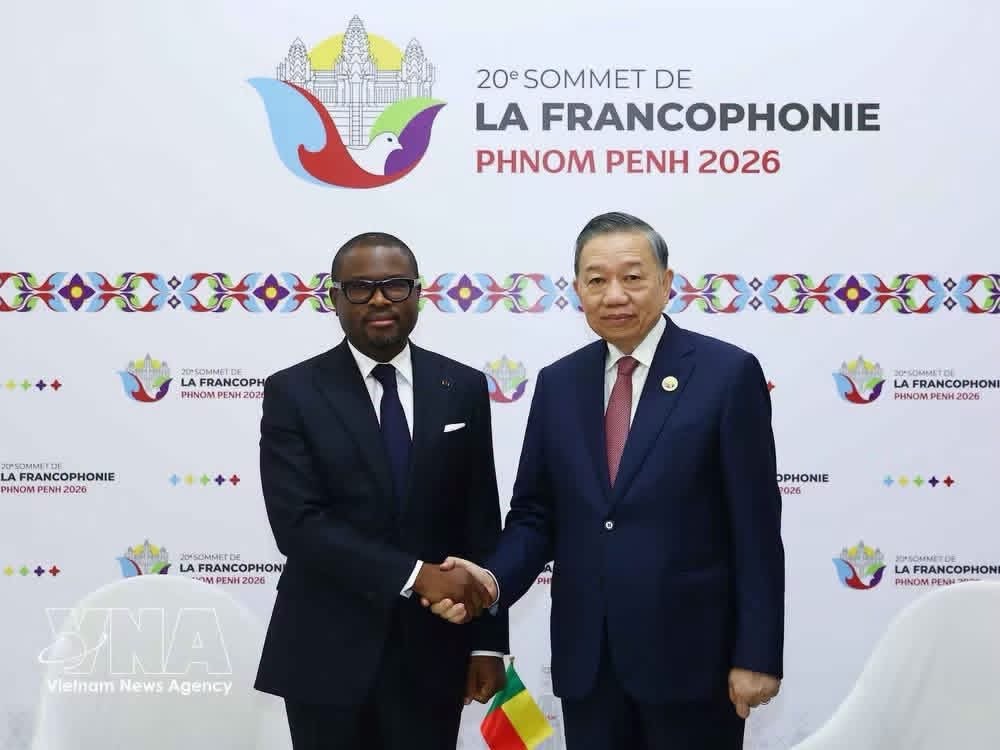
The recent meeting between Bénin’s Finance Minister Romuald Wadagni and Vietnam’s Minister of Public Security Tô Lâm in Phnom Penh offered more than just diplomatic pleasantries it laid bare the complex economic choices facing Bénin. Against the backdrop of the Francophonie Summit, the two officials explored potential cooperation in rice, cashews, cotton, aquaculture, and port infrastructure. But beneath the surface of these discussions lies a critical question: is Bénin aiming to deepen its role as a supplier of raw materials, or does it seek to leverage this partnership for industrial development?
From Raw Exports to Industrial Ambitions: What’s Really at Stake?
The cashew sector epitomizes this dilemma. Vietnam boasts one of the world’s most advanced cashew processing industries, while Bénin is a significant global supplier of raw nuts. The natural synergy is clear yet so is the danger. If Bénin remains confined to exporting unprocessed cashews, the financial gains, industrial jobs, and technological know-how will continue to flow primarily to Vietnam. The true value of the cashew value chain lies not in harvesting alone, but in peeling, packaging, transforming, and marketing activities that generate employment, skills, and revenue within Bénin’s borders.
The 2024 Agricultural Agreement: A Missed Opportunity or a Launching Point?
Two years after the signing of a bilateral agricultural accord, progress has been frustratingly slow. While cooperation intentions abound, concrete implementation lags. Rather than focusing on new declarations of intent, the priority now must be understanding why past commitments have stalled and how to convert them into meaningful action. Bénin’s leadership faces a clear choice: settle for exporting raw materials or demand that Vietnamese investors establish processing facilities on Béninese soil. The latter would be a far more transformative economic decision than mere trade.
Rice, Cotton, and Aquaculture: Beyond the Export Quota
The conversation on rice, cotton, and aquaculture must transcend traditional supply agreements. For Bénin, the real gain lies in securing partnerships that enhance agricultural productivity, integrate modern techniques, and support food processing. These sectors are not just about volume they’re about value addition, better employment opportunities, and long-term food security. Without these elements, even expanded trade volumes risk reinforcing Bénin’s status as a passive supplier rather than a competitive producer.
Key concerns include:
Improving post-harvest handling and storage to reduce losses;
Facilitating access to financing for local agro-industrial SMEs;
Encouraging technology transfer through joint ventures;
Strengthening regulatory frameworks that protect local processors.
Ports and Logistics: The Unseen Engine of Economic Leverage
Port infrastructure represents another pivotal dimension of the partnership. Without efficient logistics, adequate storage, and competitive trade corridors, even the most ambitious trade flows will falter. Upgraded ports can act as gateways to higher-value markets but they must be designed not merely to facilitate exports of raw goods, but to support the movement of processed and finished products. This shift would require coordination between both countries’ customs, transport, and industrial policies.
The Diplomacy of Results: When Intentions Aren’t Enough
Diplomatic engagements are only as valuable as the tangible outcomes they produce. Partnerships are not measured by the frequency of summit meetings or the length of joint statements, but by the number of factories built, jobs created, technologies adopted, and wealth retained within Bénin. The first encounter between Wadagni and Lâm in Phnom Penh should be seen as the beginning of a rigorous negotiation not a symbolic gesture. Bénin’s negotiating position must evolve from passive acceptance to proactive demand: insisting on local processing, insisting on skills transfer, and insisting on fair value sharing.
A Vision for Bénin: From Supplier to Producer
The overarching goal is clear: Bénin must resist the temptation to become an agricultural warehouse for foreign industries. Instead, it must position itself as a hub where raw materials are transformed, where local expertise flourishes, and where investments yield direct benefits for citizens. Vietnam can serve as a key ally in this transformation but only if the partnership is structured to elevate Bénin’s industrial capacity and economic sovereignty. The stakes are high. The alternative is the status quo: exporting wealth instead of creating it.
The Path Ahead: Turning Negotiations into Nation-Building
Moving forward, Bénin must anchor its trade strategy in three pillars: industrialization, capacity building, and value retention. This means redefining the terms of engagement with Vietnam not as a buyer of raw materials, but as a potential investor in Bénin’s future. It means fostering an enabling environment for Vietnamese agro-processors to set up operations locally. And it means ensuring that every export agreement includes clauses on technology transfer, training, and profit reinvestment within Bénin.
The next chapter in Bénin-Vietnam relations should not be written in communiqués it should be carved into factories, fields, and classrooms. Only then will the partnership fulfill its promise: not just as a trade deal, but as a catalyst for true economic transformation.
By Pierre Tchuente — Journalist