Russian mercenaries in Mali: low casualties amid jihadist threats
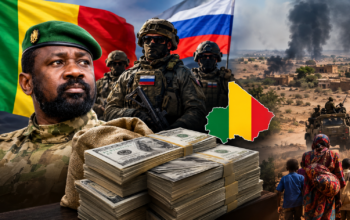
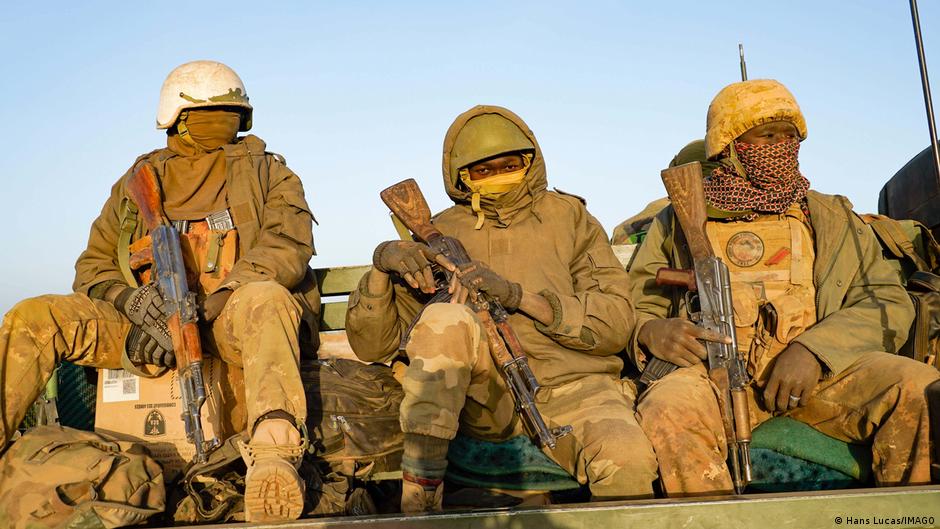
The presence of Russian paramilitary forces in Mali has raised questions about their comparatively low casualty rates during jihadist attacks, especially when contrasted with the Malian armed forces. Several factors contribute to this discrepancy, ranging from operational roles to strategic positioning.
Numbers tell a story of vulnerability
A critical factor lies in the disparity between the two forces. Military analysts estimate that Russia’s Africa Corps has deployed between 1,500 and 2,000 personnel in Mali, while the Malian armed forces number over 13,000 soldiers. This numerical imbalance significantly increases the exposure of Malian troops to attacks.
Mamadou Mouth Bane, a researcher specializing in Sahel jihadism and criminal networks, highlights the structural differences: “The Malian military remains on the front lines in most operations and across high-risk zones. Russian paramilitaries primarily serve in a support capacity, handling drone data analysis and communications rather than direct combat. Consequently, the majority of frontline casualties and kidnappings involve Malian soldiers.”
Russian forces: trained, equipped, and strategically positioned
While Russian mercenaries are not immune to losses, their experience and resources provide advantages. Many are veterans of conflicts abroad, and their sophisticated equipment—including advanced protection gear and aerial assets—reduces direct exposure on the battlefield.
Abdoulaye Sounaye, a Sahel expert and researcher at Berlin’s Leibniz Centre Modern Orient, notes: “The Russian paramilitaries operate differently from Mali’s conventional army. They are professional mercenaries with extensive combat experience in multiple theaters. Their mastery of tactics, combined with superior logistics and aerial surveillance, offers better protection against jihadist attacks than the Malian forces can muster.”
Additionally, strategic decisions play a role. With limited personnel, Russian forces prioritize the defense of critical sites and high-priority missions, often leaving routine territorial control to Malian troops. This division of labor further shields them from sustained exposure to attacks.
Balancing the scales of conflict
The contrast in casualties reflects deeper dynamics in Mali’s security landscape. While Russian mercenaries contribute expertise and firepower, their limited presence and support-focused roles reduce their vulnerability compared to Mali’s frontline soldiers.