Behind Italy’s sudden shift in urban security policy
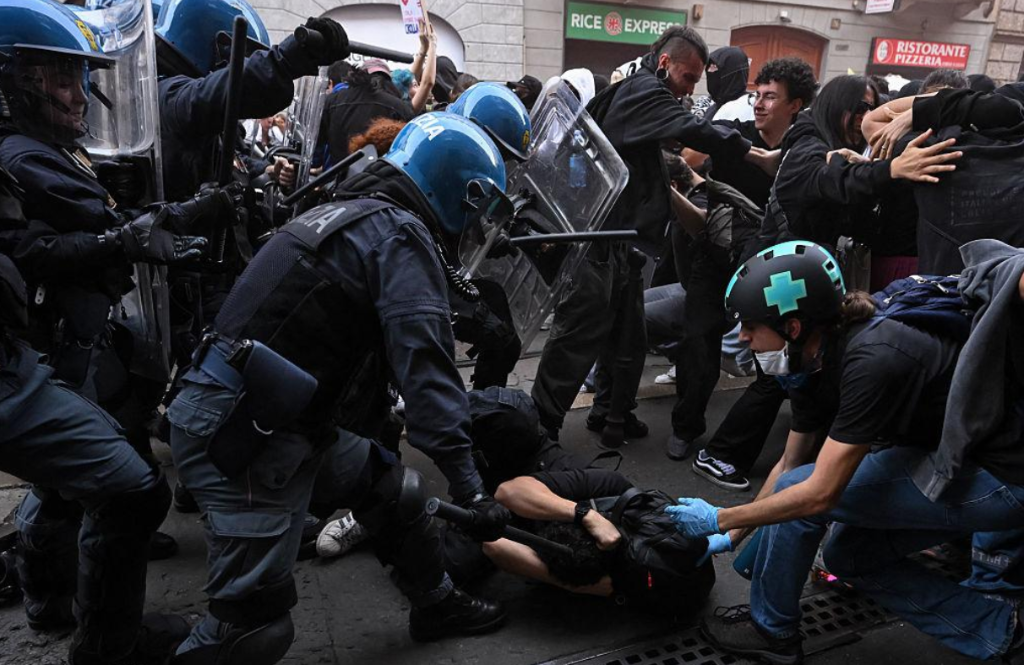
The Italian government’s abrupt pivot toward stricter urban security measures didn’t emerge from thin air. After a weekend of unrest in Milan and other northern cities—marked by looting, vandalism, and clashes with police—the executive led by Prime Minister Giorgia Meloni moved swiftly to approve a sweeping new security decree on October 20, 2026. While framed as a response to collective violence, the policy’s deeper roots reveal a calculated attempt to reshape public order enforcement, with implications that extend far beyond immediate crime deterrence.
From public outrage to legislative action: what triggered the decree?
The catalyst was a wave of urban disturbances that swept through Milan and other northern Italian cities, leaving behind shattered storefronts, burned vehicles, and injured officers. But these weren’t isolated incidents. They reflected a broader undercurrent of frustration—rising living costs, energy prices, housing shortages, and strained public services. Yet the government made it clear: economic grievances do not excuse violence. The new decree signals a decisive break from reactive policing to a more proactive, punitive approach, one that targets not just perpetrators, but organizers, families, and even digital inciters of unrest.
Penalties escalate: collective violence faces harsher consequences
The decree introduces a new criminal offense targeting group-based violence during protests or public gatherings. Anyone participating in a group of five or more individuals who endangers public safety now faces up to five years in prison and fines of up to €20,000. Penalties escalate when participants conceal their identities or when injuries occur. The law also criminalizes the planning or promotion of violent gatherings—including through digital platforms—with sentences ranging from four to twelve years in prison. This expansion signals a clear intent to dismantle not just the visible violence, but the networks that fuel it.
Families in the crosshairs: financial liability for parents of young offenders
Perhaps the most controversial provision is the imposition of financial responsibility on parents whose children under 18 commit acts of vandalism or looting. Authorities can now seek compensation for damages caused by minors, a move intended to shift accountability from the state to the family unit. Additionally, prosecutors will have greater latitude to detain minors aged 14 to 17 preventively if they are deemed a danger. These measures reflect a broader philosophy: responsibility must be enforced early, even before adulthood, to deter repeat offenses.
Milan as a test case: military deployment and the limits of enforcement
Milan has become the epicenter of this security overhaul. The government announced the deployment of 500 additional military personnel under the “Strade Sicure” (Safe Streets) initiative, aimed at bolstering surveillance in high-risk areas and supporting local police forces. While framed as a temporary measure, it underscores a deeper shift: the militarization of urban security. However, not all proposed measures made the final cut. Plans to grant military personnel expanded policing powers were reportedly blocked due to constitutional concerns, highlighting the delicate balance between security and democratic safeguards.
Security vs. rights: where does Italy draw the line?
The decree arrives amid growing debate over the balance between public safety and individual freedoms. Critics argue that the punitive approach risks overreach, particularly in how it treats minors and penalizes families for the actions of their children. Supporters counter that the measures are necessary to restore order and protect communities. As the law takes immediate effect but awaits parliamentary approval within 60 days, the real test lies ahead: Can Italy curb urban violence without eroding the rights that define its democracy? The coming months will reveal whether this crackdown is a turning point or a misstep in the long-term effort to maintain both safety and liberty.