Behind the scenes: why Mali’s economic mismanagement paved the way for livestock export restrictions
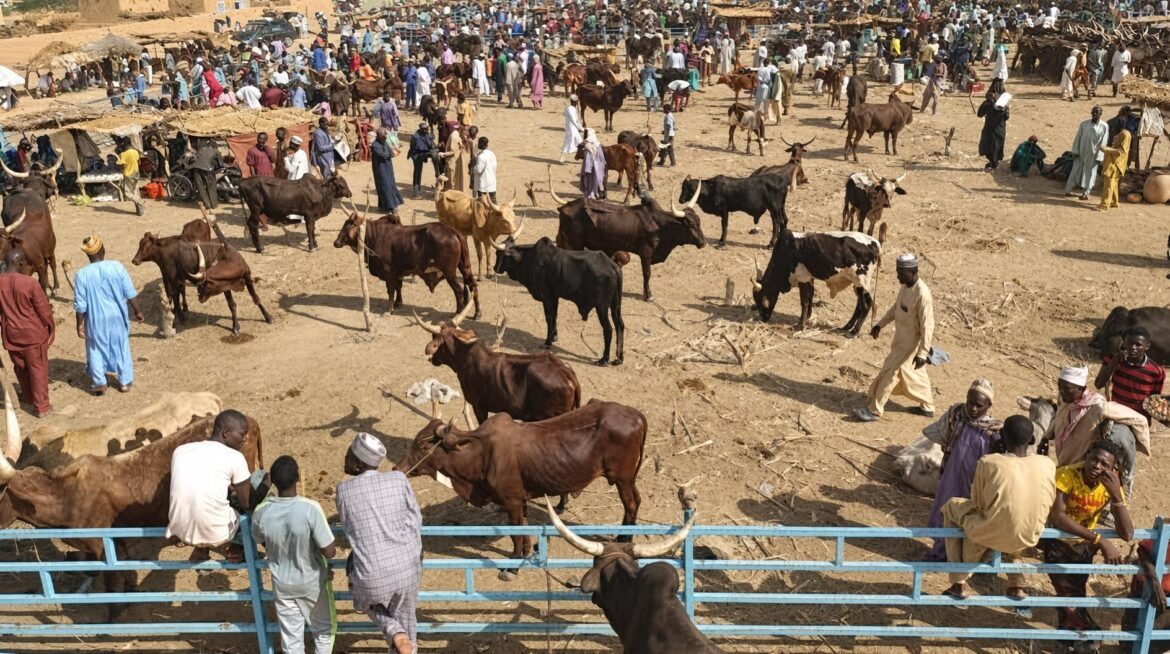
The Malian government’s decision to impose a six-month ban on livestock exports is more than a policy shift—it’s a symptom of deeper institutional failures. As domestic meat prices surge and public frustration mounts, officials have shifted blame from systemic inefficiencies to the private sector, framing entrepreneurs as the root cause of the crisis. But the numbers tell a different story.
The ban, framed as a measure to protect local consumers, effectively cuts off a thriving trade network that generates over $150 million annually and supports over 15% of the national GDP. For decades, Mali’s cattle industry has relied on regional markets in Senegal, Côte d’Ivoire, and Guinea, where demand and purchasing power outpace local consumption. By severing these trade routes, the state isn’t lowering prices—it’s strangling the very engine that could stabilize supply and ease inflation.
Historically, such blunt interventions have backfired. Rather than curbing costs, they distort supply chains, create artificial shortages, and discourage investment in livestock modernization. With no legal safeguards against arbitrary policy changes, private operators—already burdened by rising feed costs and transport extortion—now face an impossible choice: comply with state controls or risk financial ruin.
Blaming the private sector won’t fix systemic failures
At the heart of the crisis isn’t a lack of livestock—it’s a lack of efficient supply chains. Malian cattle are plentiful, but access to markets is obstructed by red tape, insecurity on transport routes, and inconsistent market relocation policies. These are failures of governance, not of enterprise. Yet instead of addressing these root causes, the government has chosen to scapegoat the private sector—entrepreneurs, traders, and transporters—who have built a resilient, cross-border trade network from the ground up.
The ban is part of a growing pattern of state interventionism under the guise of economic protection. But history shows that price controls and export restrictions rarely succeed. They breed inefficiency, discourage innovation, and push the very actors who could drive down prices—livestock owners and exporters—toward bankruptcy or underground markets. What incentive remains for a farmer to invest in quality breeds or better herd management when the state can shut down their livelihood with a stroke of the pen?
The hidden cost: how export bans erode investor confidence
Mali’s livestock sector is not just an economic engine—it’s a regional pillar. More than 99% of Malian cattle are sold to neighboring countries, forming a vital trade corridor with Senegal, Côte d’Ivoire, and Guinea. By abruptly halting exports, the government sends a chilling message to regional partners and international investors: Mali’s regulatory environment is unstable, and contracts are not secure.
Predictability is the lifeblood of commerce. When rules change suddenly and without justification, companies scale back operations, hesitate to invest, or relocate to more stable markets. The livestock ban isn’t just a policy error—it’s an investment deterrent that could ripple across Mali’s economy for years to come. Past interventions confirm this pattern: whenever the state resorts to coercive measures, the private sector retracts, supply dwindles, and prices—ironically—continue to rise.
What Mali must do to break the cycle of intervention and scarcity
If Bamako truly seeks to lower meat prices and restore confidence, it must abandon the false belief that control equals stability. Sustainable solutions lie in empowerment, not restriction. The government needs to:
- Lift bans and restore trade routes: Reopen export corridors to regional markets, ensuring cattle flow freely and supply meets demand.
- Secure transport corridors: Address insecurity and extortion on key routes to reduce costs and improve delivery times.
- Streamline market regulations: End arbitrary relocations and bureaucratic obstructions that disrupt supply chains.
- Support private investment in modernisation: Offer incentives for better herd practices, feed quality improvement, and local processing to add value.
Only then can Mali move beyond quick fixes and create a resilient, transparent market where competition—not coercion—lowers prices, supports livelihoods, and builds long-term economic health. The current ban isn’t a solution—it’s a shortcut that sacrifices the future for the sake of political appearances.
For the livestock sector to survive—and thrive—the state must stop treating entrepreneurs as threats. The real enemy isn’t the private sector. It’s the institutional inertia that keeps driving Mali toward more controls, more shortages, and more blame.