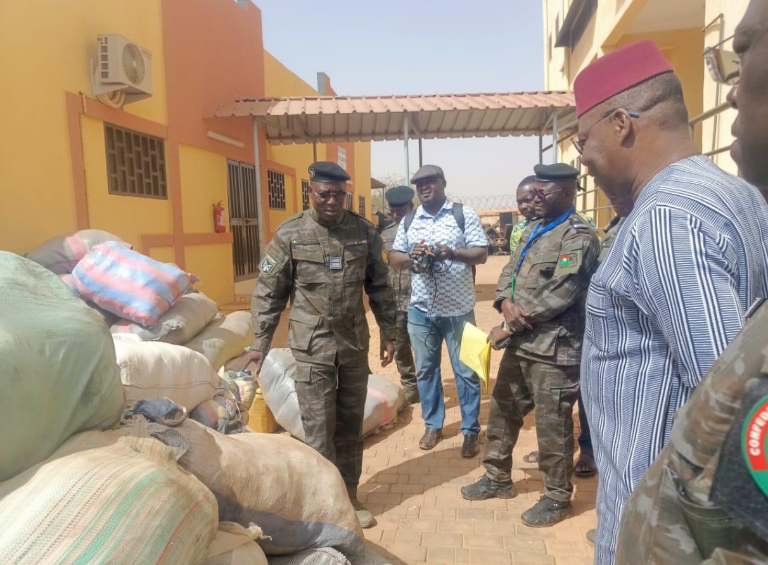
The sheer scale of clandestine trade in Burkina Faso has been laid bare by a recent customs offensive, revealing not just staggering financial losses but also the insidious dangers lurking within everyday supply chains.
Inside the numbers: what 10.8 billion FCFA in seizures really means
The operation, codenamed Magnan, spanned just 98 days yet netted contraband worth over 10.8 billion West African francs. These figures, presented at a government briefing in late October 2026, represent more than frozen assets—they reflect a shadow economy operating at the expense of public health, legitimate businesses, and national revenue.
A pharmaceutical crisis disguised as commerce
More than 4.2 million tablets of the painkiller Tapentadol alone accounted for over 74% of the haul’s total value. Combined with 11 tons of counterfeit medicines—valued at 1.1 billion FCFA—this points to a silent epidemic infiltrating pharmacies and informal markets. Without mandatory quality controls, consumers face unquantifiable risks ranging from under-dosed treatments to contaminated compounds.
The underestimated menace of everyday goods
The crackdown extended far beyond high-value pharmaceuticals. Authorities intercepted:
- Nearly 500 tons of unregulated fertilizers, which threaten soil integrity and crop yields when improperly formulated.
- 490 tons of illicit rice alongside thousands of liters of unbranded cooking oil—everyday staples that erode food safety standards.
- Non-compliant pesticides and industrial chemicals such as mercury and cyanide, diverted from licensed supply chains.
- Documented seizures of explosives and controlled substances, highlighting the dual threat of criminal misuse and industrial sabotage.
Beyond seizures: the real toll on communities
Each banned shipment that evades duties and inspections represents a twofold loss: tax revenues that fund schools and hospitals, and fair competition eroded by illicit operators. Informal traders undercut legitimate retailers by dodging import tariffs, tilting markets in favor of substandard goods.
In agriculture, farmers relying on counterfeit fertilizers face steep declines in productivity, while uncertified seeds and pesticides can leave hazardous residues in food supplies. Reports from rural cooperatives indicate yield drops of up to 30% in some cereal-growing regions where smuggled inputs dominate local markets.
The long game: dismantling networks rather than just seizing cargo
While the 10.8 billion FCFA figure makes headlines, customs officials emphasize that interdiction alone cannot dismantle entrenched smuggling rings. Success requires tracing import routes, dismantling distribution hubs, and prosecuting masterminds—not just foot soldiers.
The Magnan operation revealed sophisticated tactics:
- Phantom invoicing to mask high-value pharmaceuticals as low-cost goods.
- Underground storage facilities concealed beneath residential buildings in border regions.
- Correlated shipments of ostensibly unrelated goods used to obscure prohibited items.
Protecting Burkina Faso’s future one seizure at a time
The current crackdown signals a pivotal shift toward coordinated enforcement. Collaboration between customs, health inspectors, and agricultural regulators is critical to intercept dangerous goods before they reach consumers. Strengthening border screening and tightening penalties for repeat offenders could further shrink the space for illicit trade.
The challenge now is sustaining momentum. With smugglers likely adapting to new detection methods, authorities must maintain pressure while addressing the systemic gaps—regulatory loopholes, weak penalties, and porous borders—that allow such vast networks to thrive. Only then can Burkina Faso reclaim the integrity of its commercial ecosystem and safeguard the well-being of its people.