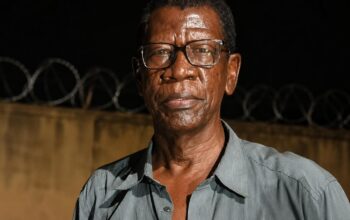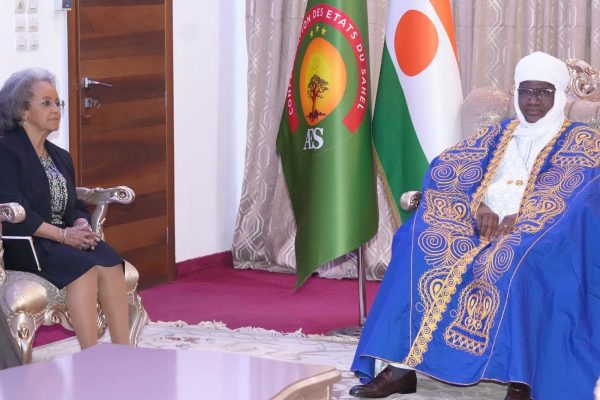
Niger is taking a proactive stance in shaping the future of the United Nations Office for West Africa and the Sahel (UNOWAS). In Niamey, Dr. Mamoudou Harouna Djingarey, Chair of the Refoundation Advisory Council (RCC), engaged in high-level discussions with Sahle-Work Zewde, former President of Ethiopia and leader of the Independent Strategic Review of the UN office. This meeting reflects the country’s commitment to redefining regional partnerships amid evolving geopolitical and security dynamics.
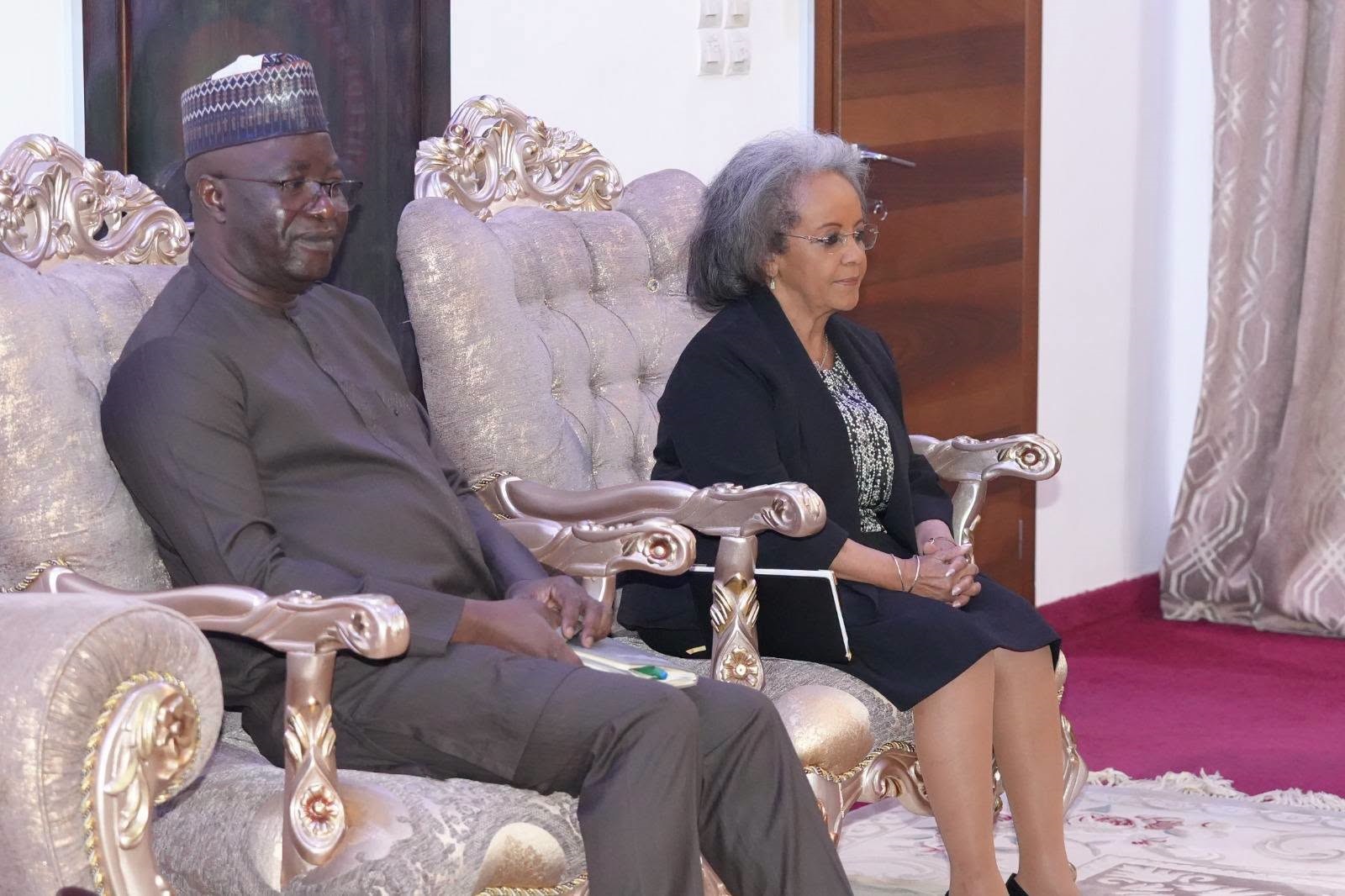
Niger’s refoundation goals take center stage in UNOWAS reform talks
The RCC Chair outlined the council’s mission to support Niger’s refoundation process, emphasizing the strengthening of national sovereignty, social cohesion, and long-term peace. These pillars, he noted, are critical to addressing the Sahel’s most pressing challenges, including governance gaps and cross-border instability.
Key areas of discussion included regional stability mechanisms, conflict prevention strategies, and frameworks for enhanced cooperation among West African and Sahelian states.
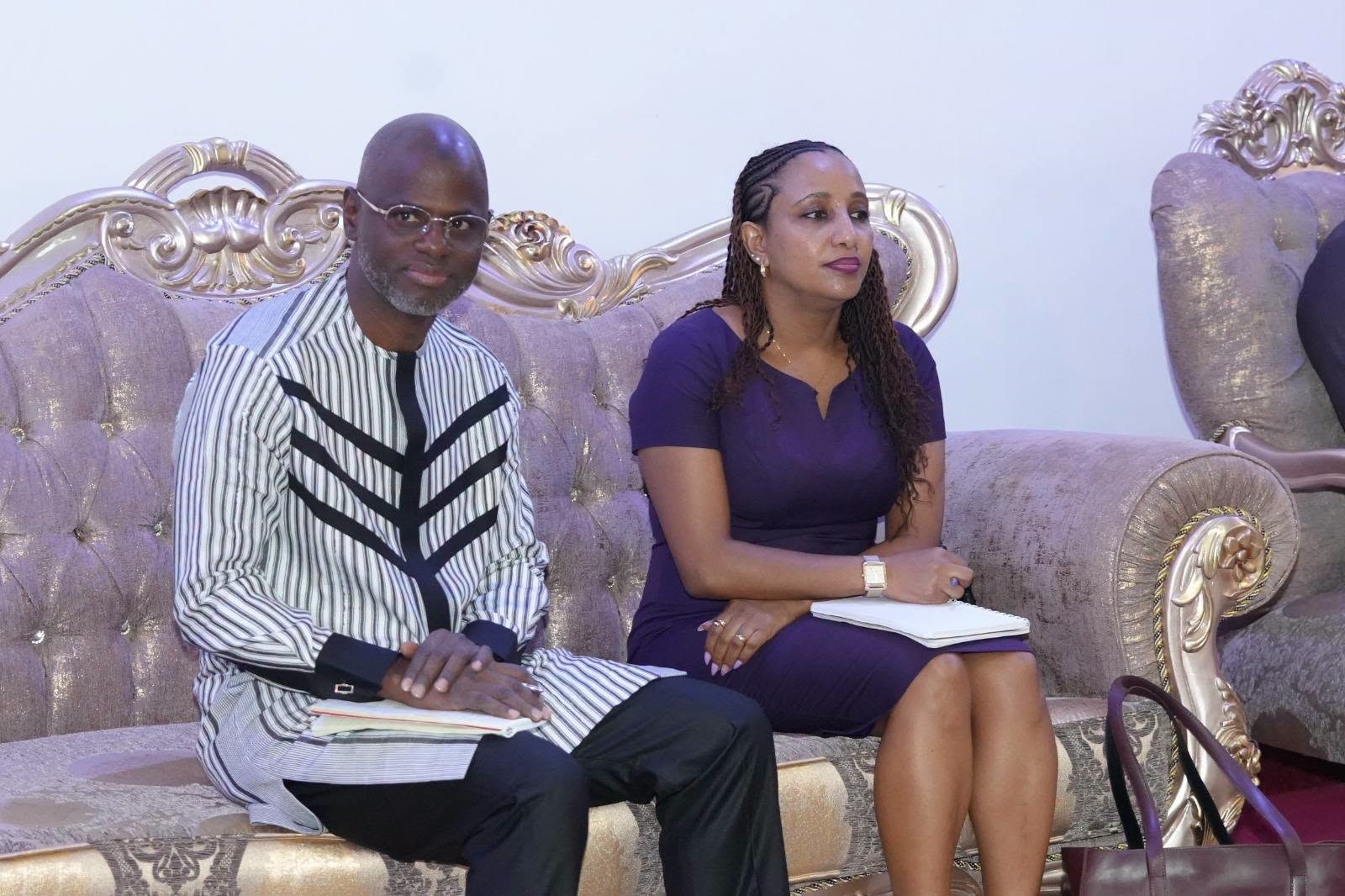
UNOWAS strategy review gathers insights from regional leaders
Sahle-Work Zewde’s visit is part of an Independent Strategic Review aimed at reassessing UNOWAS’s mandate and operational effectiveness. The review seeks to align the UN’s regional interventions with the realities of a Sahel facing escalating security threats, political transitions, and developmental hurdles.
Following the meeting, the former Ethiopian leader commended Niger’s leadership for its constructive engagement and highlighted the value of the discussions in informing the review’s conclusions. The insights gathered from national institutions will directly shape the future of UNOWAS and its role in the region.
Diplomatic engagement prioritizes sovereignty and national priorities
This exchange underscores Niger’s approach to international cooperation—one that balances dialogue with a firm commitment to national sovereignty. For the RCC, international partnerships must respect the country’s refoundation agenda and domestic policy choices.
The meeting was attended by Abdou Moustapha, RCC General Rapporteur, marking another milestone in the strategic review’s consultations. The final recommendations are expected to guide UNOWAS in adapting to the region’s profound transformations.