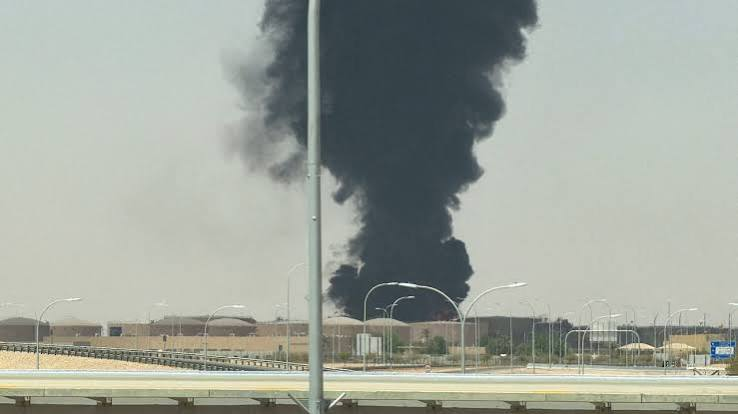
When Houthi missiles slammed into Riyadh’s King Khalid International Airport on Saturday, October 10, the attack left 13 dead and 308 wounded, according to Saudi authorities. The strike, claimed by the Houthi movement in Yemen, raised an urgent question: can the kingdom still protect its most critical infrastructure? The following day brought another alarming incident—a projectile struck Terminal 4, sparking a fire that killed one person and injured 11 others, Saudi officials said. These events have shattered assumptions about the safety of Saudi Arabia’s airports and forced a reckoning over the country’s air defense capabilities.
Who is behind the attack and what do they want?
Houthi military spokesman Yahya Saree stated that the group targeted Riyadh airport with missiles and drones. He also claimed assaults on Dammam airport and Saudi oil facilities. The Houthis warned airlines to avoid using the kingdom’s airports and airspace. This explicit threat signals a new phase in the conflict, where civilian aviation becomes a direct target. The group’s actions are rooted in its opposition to Riyadh’s support for Yemen’s government forces and Saudi-led airstrikes in Yemen. In recent months, fighting has intensified after an offensive by Saudi-backed forces and the resumption of strikes on Houthi positions. The Houthis describe their operations against Saudi Arabia as retaliation for this intervention.
How did Saudi defenses perform and what was the official response?
Saudi authorities reported that their air defenses intercepted some projectiles. However, they confirmed that one projectile hit a passenger hall in Riyadh, igniting a fire. The airport suspended operations to allow damage assessment and security inspections. The Saudi-led coalition spokesman condemned the attack, and authorities tightened security around targeted sites. Riyadh views the strikes on its territory as a direct threat to its population and infrastructure. Yet the fact that missiles penetrated the airport’s defenses raises questions about the effectiveness of the kingdom’s air shield.
What does this mean for travelers and the aviation sector?
The temporary closure of the airport and subsequent inspections caused significant air traffic disruptions, with flight delays and cancellations. Authorities and several diplomatic missions urged travelers to follow security guidelines and check their flight status before heading to the airport. Beyond the immediate chaos, the attack has eroded confidence in the safety of Saudi airports. Travelers now face uncertainty, and airlines may reconsider their routes and schedules if the threat persists. The economic cost—from lost tourism revenue to disrupted business travel—could be substantial.
Could the Yemen conflict spill further into Saudi territory?
These attacks highlight the risk of the Yemeni conflict expanding deeper into Saudi territory. They also fuel fears of more strikes against airports and strategic infrastructure, even as calls for de-escalation grow louder. The question now is whether Riyadh can adapt its defense strategy to counter this evolving threat—or whether the Houthis have found a vulnerability that will reshape the regional security landscape.