The Diplomatic Chessboard at Moscow: Assimi Goïta Takes the Lead
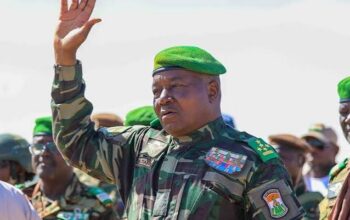
The 2026 Russia-Africa Summit in Moscow has unfolded with a striking asymmetry in the representation of the Alliance of Sahel States (AES). As the curtains rose on October 28, only one of the three AES leaders made a conspicuous appearance: Mali’s interim President Assimi Goïta. The absence of confirmation surrounding Niger’s Abdourahamane Tiani, despite initial assertions from Russian authorities, casts long shadows over the confederation’s unity. Meanwhile, Burkina Faso’s Ibrahim Traoré sent his Prime Minister Rimtalba Jean Emmanuel Ouédraogo—a move that, while officially valid, dilutes the political weight of Ouagadougou’s presence.
Behind the Scenes: Why the AES’s Visible Cracks?
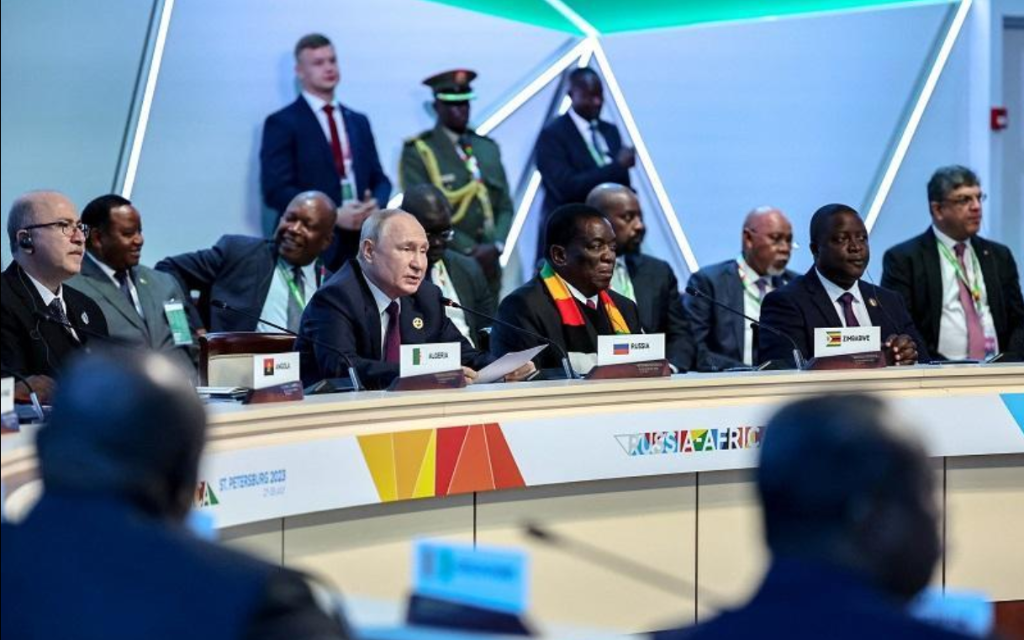
The Kremlin’s announcement of a 48-country African delegation—22 led by heads of state—has set the stage for high-stakes diplomacy. Yet, the AES’s fractured representation raises questions: Is this a deliberate strategy, a logistical misstep, or a symptom of deeper internal tensions? For now, Goïta’s solo stand in Moscow underscores a reality that neither Traoré’s last-minute delegation nor Tiani’s unconfirmed absence can ignore: Mali is shouldering the alliance’s diplomatic burden alone.
The contrast is stark when viewed against other African nations. Countries like Burundi, Zimbabwe, and Mozambique dispatched their presidents, while Algeria, Benin, and Uganda opted for high-ranking officials. Such variations reflect a broader pattern—one where personal attendance signals both political commitment and strategic priority.
Niger’s Shadows: A Leadership Vacuum or Strategic Silence?
The most glaring void is Niger’s. Russian officials had, as early as the summit’s pre-announcements, vouched for Tiani’s participation. By October 28, however, no verifiable evidence confirmed his arrival. This ambiguity leaves room for speculation: Is Tiani’s absence a rebuke to Moscow, a delay, or an unspoken re-evaluation of the AES’s future?
For an alliance born of shared rebellion against former colonial powers, such silence is not neutral. It risks undermining the cohesion that the AES claims to uphold—especially when Mali’s Goïta is the sole figure visibly championing the cause on the global stage.
The Broader African Stage: Who Else Is Present (or Not)?
Outside the AES, the summit’s diversity is evident. Presidents like Burundi’s Évariste Ndayishimiye and Zimbabwe’s Emmerson Mnangagwa are seated at the table, alongside heads of state from Ghana, Mozambique, South Sudan, Eritrea, and Equatorial Guinea. Even Congo’s Denis Sassou-Nguesso made the trip, signaling Russia’s intent to engage with varied diplomatic traditions.
Yet, for every leader present, others chose proxies. South Africa’s Cyril Ramaphosa stayed home, sending an administrative delegation instead. Rwanda’s Paul Kagame likewise entrusted his Prime Minister Justin Nsengiyumva to represent the country. These decisions, while procedurally sound, carry less symbolic weight than a presidential embrace or a handshake in the Kremlin’s corridors.
What’s Next for the AES in Moscow?
The summit’s agenda spans trade, energy, agriculture, security, and investment—with a new Russia-Africa cooperation framework slated for 2027-2029. For the AES, the stakes are twofold: balancing visibility with tangible outcomes. Goïta’s solo performance may have grabbed headlines, but the alliance’s long-term credibility hinges on the concrete benefits it secures—from military cooperation to economic partnerships.
The question now is whether Traoré and Tiani will reassert their presence in the coming days or if Goïta’s lead will set a new precedent for Sahel diplomacy. One thing is certain: the optics of this summit will linger long after the delegates depart.
The Unanswered Questions
- Is the AES’s fractured presence deliberate? The alliance’s public unity may be tested as each member navigates their own diplomatic calculus.
- Can Mali’s leadership fill the void? Goïta’s solo act in Moscow may temporarily elevate Mali’s profile, but it also risks overburdening a single nation within the alliance.
- What does Niger’s silence mean? Without confirmation of Tiani’s whereabouts, the AES’s third pillar is operating in a haze of uncertainty.
- Will the summit deliver beyond the photo ops? The real test lies in the agreements inked and the commitments made—beyond the symbolism of attendance.