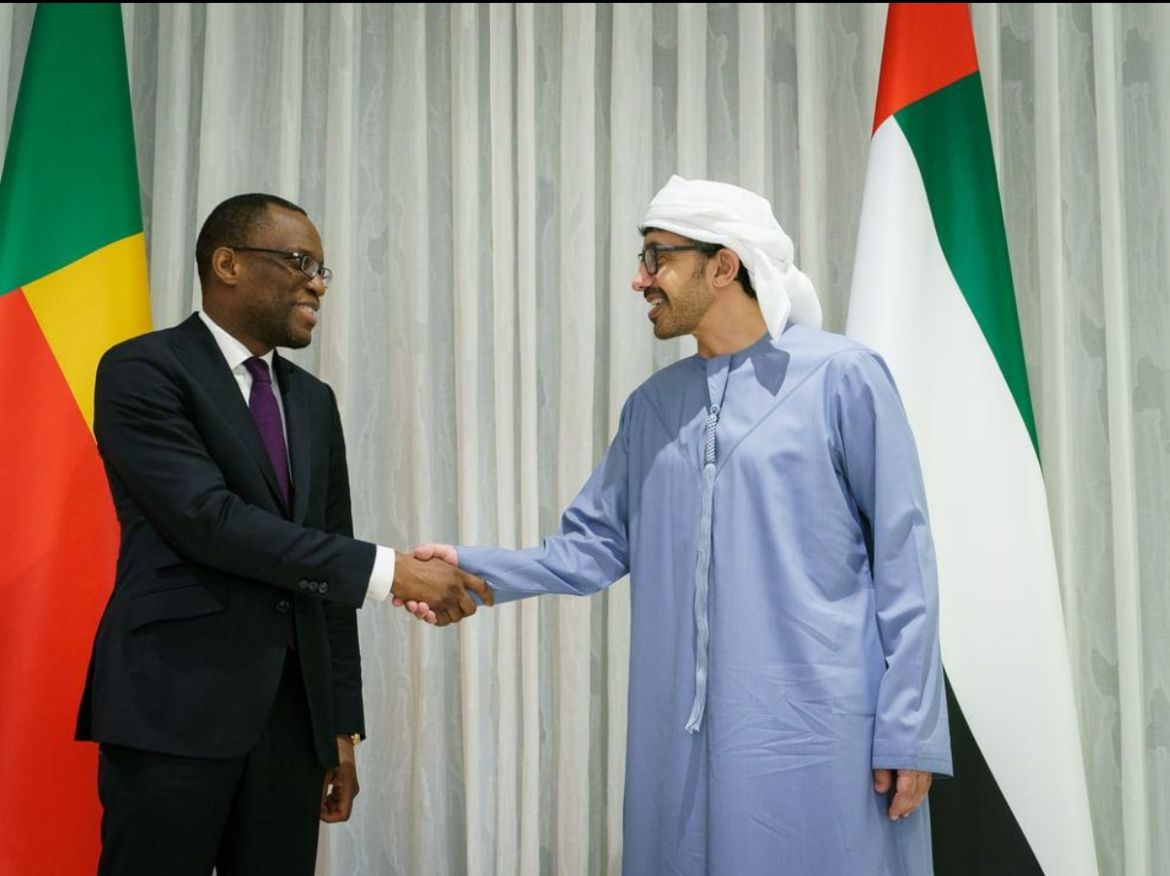
Behind the economic potential: why Benin’s latest deal with the uae matters
The recent economic partnership between Benin and the United Arab Emirates marks a significant shift in how the West African nation positions itself in global trade. More than just a diplomatic agreement, this deal introduces a strategic mechanism to unlock new opportunities for local industries. At its core, the partnership hinges on eliminating tariffs on over 3,000 Beninese products, creating a pathway for enterprises to enter high-value markets.
Negotiated during a state visit by Benin’s Minister of Economy and Finance, Romuald Wadagni, to Abu Dhabi, the agreement reflects a deliberate effort to boost trade flows and foster industrial development. While the diplomatic ceremony set the stage, the real impact will depend on how effectively these tariff reductions translate into measurable economic growth. The stakes are high—not only for exporters but for farmers, small businesses, and the broader workforce.
From raw materials to refined opportunities: which products stand to gain?
The scope of the tariff exemptions is broad, covering a diverse range of products that could transform Benin’s export profile. Among the key beneficiaries are:
- Agricultural exports such as cotton, cashews, soybeans, and shea nuts, which have struggled with pricing competition on the global stage.
- Agri-food products, including processed goods like palm oil, fruit concentrates, and packaged spices, where added value could significantly increase revenue per ton.
- Crafted goods and artisanal products, such as textiles and leather items, where niche markets in the UAE offer premium pricing opportunities.
This isn’t merely about exporting more—it’s about shifting from selling raw materials to selling finished goods. For instance, rather than exporting raw cashew nuts, Benin could begin exporting roasted or packaged cashews, thereby retaining more of the profit within the country. The challenge, however, lies in meeting international quality standards and ensuring consistent supply.
Who really benefits? breaking down the ripple effects
The deal’s economic impact extends beyond large corporations. Local cooperatives, women-led processing units, logistics firms, and packaging companies all stand to gain—provided they can capitalize on the opportunity. For cooperatives in rural areas, increased orders could mean stronger bargaining power, better wages, and investment in equipment. Women entrepreneurs, who play a crucial role in agricultural processing and trade, could see their incomes rise if they gain access to training and financing.
In urban centers, the demand for skilled labor in logistics, warehousing, and light manufacturing may grow, offering new job opportunities, particularly for young workers. The government’s role in policy support, credit access, and infrastructure development will be critical in ensuring that these benefits reach the intended beneficiaries rather than being captured by intermediaries.
The numbers behind the momentum
Trade data provides a glimpse into the potential unlocked by this partnership. In 2025, non-oil trade between Benin and the UAE reached $2.15 billion, a 65 percent increase from the previous year. By mid-2026, bilateral trade had already surged to $1.29 billion—a 37.4 percent year-on-year rise. These figures highlight a growing demand for Beninese goods, which the tariff exemptions could amplify.
Projections suggest that Beninese exports to the UAE could rise by over $100 million by 2033, fueled by increased market access and investment inflows. Beyond merchandise, the partnership also opens doors in services and infrastructure, with investments expected in renewable energy, industrial zones, and logistics hubs. These developments could bring technical expertise and modernize local industries, further strengthening Benin’s economic foundation.
What will it take to turn potential into real growth?
While the agreement creates a promising outlook, several hurdles remain. Ensuring product quality, meeting sanitary and phytosanitary standards, and maintaining reliable supply chains are non-negotiable for success. Additionally, access to finance will be critical—small businesses often lack the capital needed to scale up production or navigate international markets.
Collaboration between the public and private sectors will be essential. Government agencies must streamline certification processes, provide training on export requirements, and support smallholders with inputs and technology. Equally important is building the infrastructure to reduce logistics bottlenecks, which currently inflate costs and delay shipments.
Ultimately, the true test of this deal lies in its ability to drive inclusive growth. Will the benefits of tariff-free access translate into higher incomes for farmers? Will local industries become more competitive, or will they remain reliant on intermediaries? The answers will define whether this partnership is a transformative step or just another missed opportunity for Benin.
The bigger picture: can this deal redefine Benin’s economic trajectory?
The UAE is not just a trading partner—it is a gateway to broader markets in the Middle East, Asia, and beyond. With tariffs lifted on thousands of products, Benin gains a foothold in a region known for rapid consumption growth and high purchasing power. The agreement also positions Benin as a reliable supplier, which could attract further investment from multinational firms looking to establish regional hubs.
Yet, success will depend on Benin’s ability to innovate. Can the country move beyond being a supplier of raw materials? Can it build a reputation for quality and reliability? The next few years will reveal whether this deal is the catalyst for a new phase of industrialization—one where local enterprises are not just participants in global trade, but drivers of it.