Behind the Firm Rejection of Strike Allegations
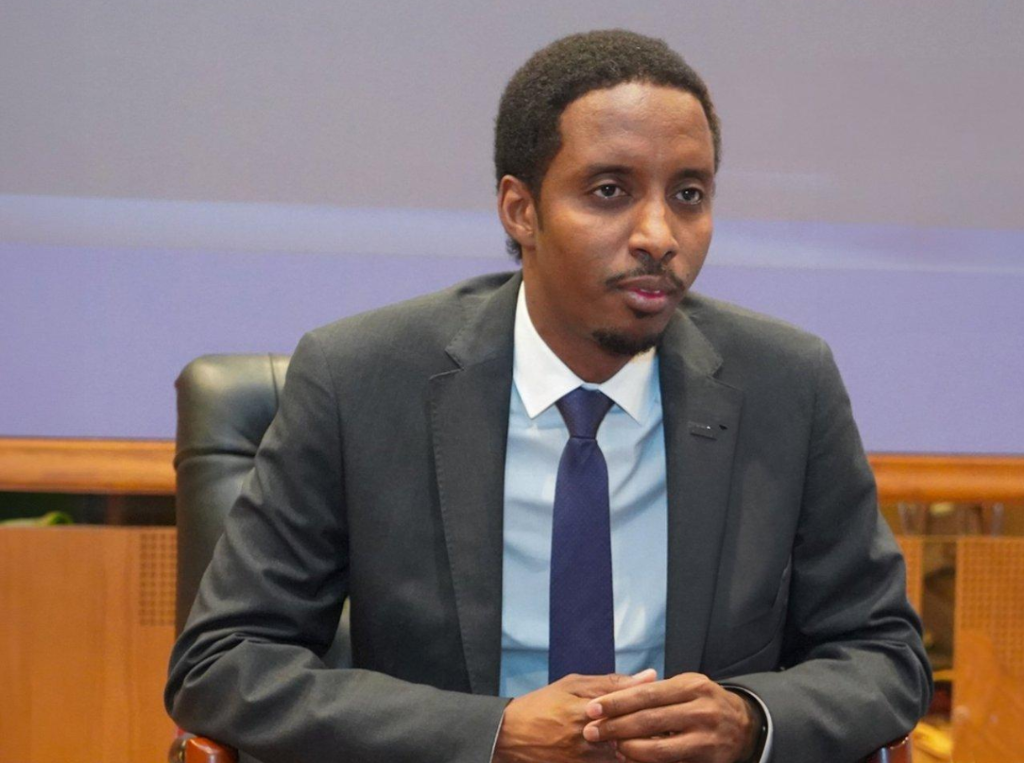
In a decisive move, the Chadian government has categorically denied any involvement in a purported strike against Niger. Through its spokesperson, Minister Gassim Chérif Mahamat, the authorities in N’Djamena have not only refuted these claims but also demanded concrete evidence to substantiate them. This firm stance underscores a broader concern: ensuring that accusations of such gravity are grounded in verifiable facts rather than speculative assertions.
The Demand for Transparency in Alleged Evidence
The Chadian government has emphasized that public statements alone cannot establish the responsibility of a state in a presumed military operation. Minister Gassim Chérif Mahamat reiterated that Niamey must provide tangible, technical, and verifiable evidence to support its allegations. The demand centers on the nature, reliability, and scope of the elements cited by Nigerien authorities, which, as of now, remain undisclosed in available reports.
By insisting on the publication of these materials, N’Djamena aims to shift the narrative from unproven claims to a fact-based examination. This approach seeks to prevent unsubstantiated accusations from fueling tensions between the two neighboring countries, particularly as the region grapples with transnational security challenges.
Rebel Group Concerns Highlight Cross-Border Security Issues
Beyond the strike allegations, the Chadian government has drawn attention to another pressing issue: the presence of armed Chadian rebel groups operating from Nigerien territory. N’Djamena claims to have raised these concerns with Niamey repeatedly over the past four years, warning that such groups pose a direct threat to Chad’s stability.
This longstanding issue, coupled with the current allegations, paints a complex picture of the security dynamics between the two nations. While the government of N’Djamena does not link the rebel groups to the strike claims explicitly, it underscores the need for a deeper examination of cross-border threats and accountability. The Chadian authorities appear to be reinforcing the idea that unaddressed security concerns could exacerbate tensions, regardless of the outcome of the strike dispute.
The Risk of Diplomatic Escalation Without Verified Facts
The exchange between the two governments highlights the delicate balance between asserting national interests and maintaining regional stability. Unsubstantiated accusations, particularly in a volatile region, can escalate into broader diplomatic crises. For Chad, the path forward is clear: deny involvement, demand proof, and emphasize the broader security context that has long strained relations with Niger.
As both countries navigate this dispute, the call for transparency remains pivotal. Will Nigerien authorities provide the evidence they claim to possess? And can the two governments pivot toward dialogue rather than confrontation? The answers to these questions will determine whether this episode leads to deeper mistrust or an opportunity for renewed cooperation.
What’s Next for Chad and Niger?
The ball is now in Niger’s court. The Chadian government has set a high bar—proof must be verifiable and publicly presented. In the absence of such evidence, the accusations risk undermining the fragile trust between the two nations. For now, N’Djamena’s firm stance sends a strong message: allegations without substance will not go unchallenged.