The sudden summoning of Algeria’s parliament on 25 October has reignited scrutiny over Algiers’ evolving military ambitions in the Sahel. While speculation swirls around potential deeper involvement in Niger, the stakes extend far beyond troop deployments—encompassing regional sovereignty, strategic rivalries, and the delicate recalibration of Sahel security dynamics.
Is Algeria preparing for a military leap in the Sahel?
The extraordinary joint session of Algeria’s parliamentary chambers, scheduled for 25 October, has sparked intense debate. With no official agenda disclosed, conjecture has focused on whether legislators will greenlight military deployment to Niger. Yet, amid the uncertainty, one question looms: what strategic calculus is driving Algiers’ next move?
To date, no formal announcement confirms plans for Algerian military intervention. However, recent political and military developments demand closer examination of Algeria’s motivations—and the broader implications for a region already grappling with instability.
The military rapprochement reshaping regional ties
A pivotal moment came on 30 August 2026, when Algeria deployed four Su-30 fighter jets and an aerial refueling tanker to Niamey at the request of Nigerien authorities. This operation, framed as cooperative support, carried significant political weight. It signaled Algiers’ intent to maintain operational leverage in a region plagued by security volatility, eroding traditional partnerships, and external power competitions.
The momentum grew on 21 October with the signing of a military cooperation protocol between Algerian and Nigerien officials. Though the agreement’s specifics remain undisclosed, its very existence underscores the deepening security alignment between the two nations. While not definitive proof of imminent military action, it marks a clear escalation in their diplomatic priorities.
Constitutional constraints and parliamentary clues
Algeria’s constitution offers a critical lens for interpreting the parliament’s convocation. Article 91 mandates that any deployment of the People’s National Army abroad requires approval from both legislative chambers, with a two-thirds majority. This provision fuels speculation that the session may indeed address foreign military engagement.
However, the lack of a published agenda cautions against premature assumptions. Not all urgent parliamentary sessions revolve around military matters. Distinguishing between institutional procedure, strategic contemplation, and operational decision-making remains essential—blurring these lines risks turning hypothesis into accepted fact.
Niger’s sovereignty in a fractured Sahel landscape
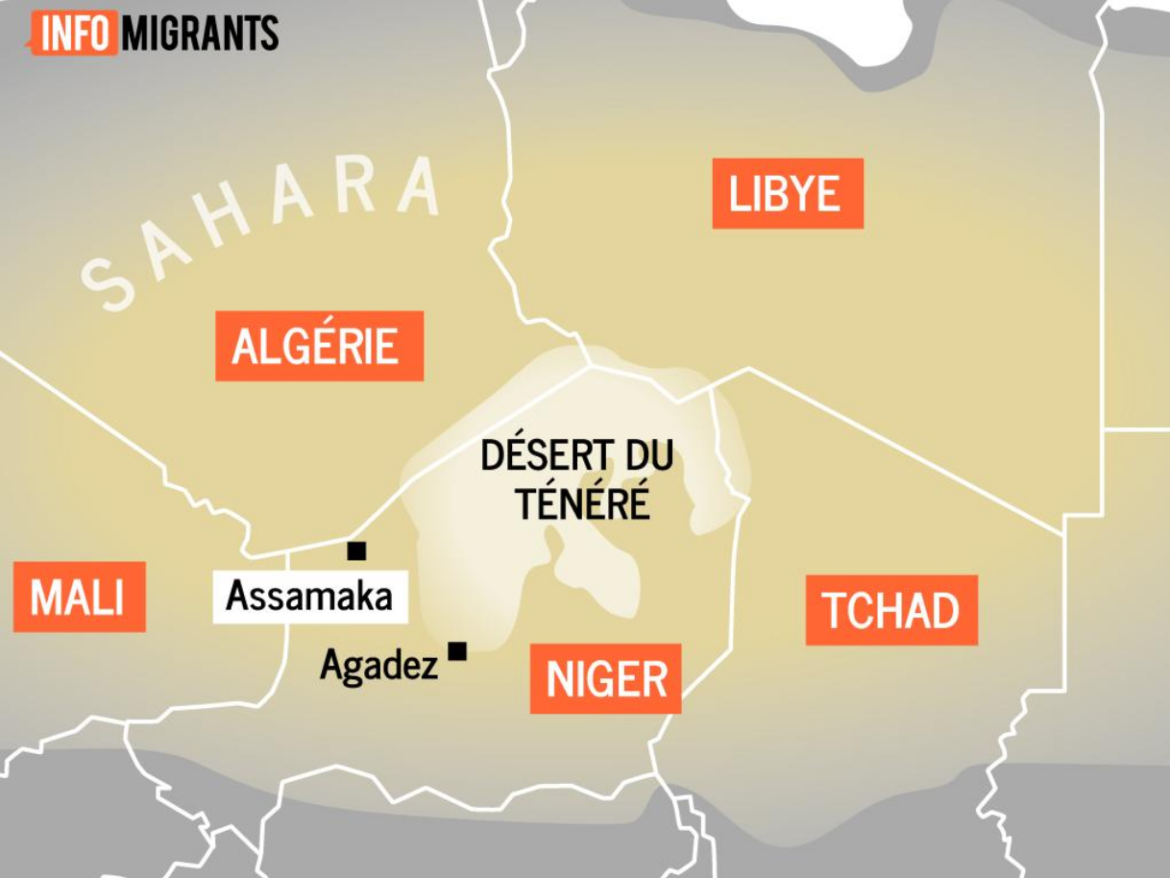
For Niamey, strengthening ties with Algiers could diversify its security backers. In a Sahel beset by persistent armed threats and shifting alliances, support from a militarily capable neighbor offers clear strategic value. Geographically, Niger shares a border with Algeria, making cross-border armed groups, trafficking networks, and destabilization risks a mutual concern.
Algiers may prioritize threat containment over offensive intervention. This distinction is vital: military aid, cooperative missions, or deterrence measures do not inherently equate to combat operations. Preventing spillover instability likely outweighs the appeal of direct engagement.
Power rivalries and unproven hypotheses
Some analyses suggest Algeria might target Emirati interests in Niger amid broader influence competitions. Yet, no verified evidence supports such claims. Direct confrontation with a third-party state would mark a seismic strategic shift, exposing Algeria to heightened diplomatic and security risks while exacerbating regional fractures.
It is critical not to conflate the Sahel’s great-power rivalry with concrete military planning against specific actors. Until documented, such theories remain speculative.
A defining political moment on 25 october
Beyond intervention speculation, the parliament’s session raises a broader question: how far will Algeria go to safeguard its security interests in its southern neighborhood?
Approval for foreign deployment would send a powerful political signal. Conversely, focusing on unrelated matters would remind observers that temporal proximity does not imply causation. The immediate priority is clarity on the agenda, potential resolutions, and post-session official statements. These developments will reveal whether Algiers is bolstering Niger’s support framework or pursuing a more assertive military stance.
One certainty emerges: Algerian-Nigerien convergence is a trend to monitor. However, military intervention remains unconfirmed. In a Sahel where every strategic move can alter the balance of power, precision in analysis is indispensable to separate legitimate signals from uncertain scenarios.