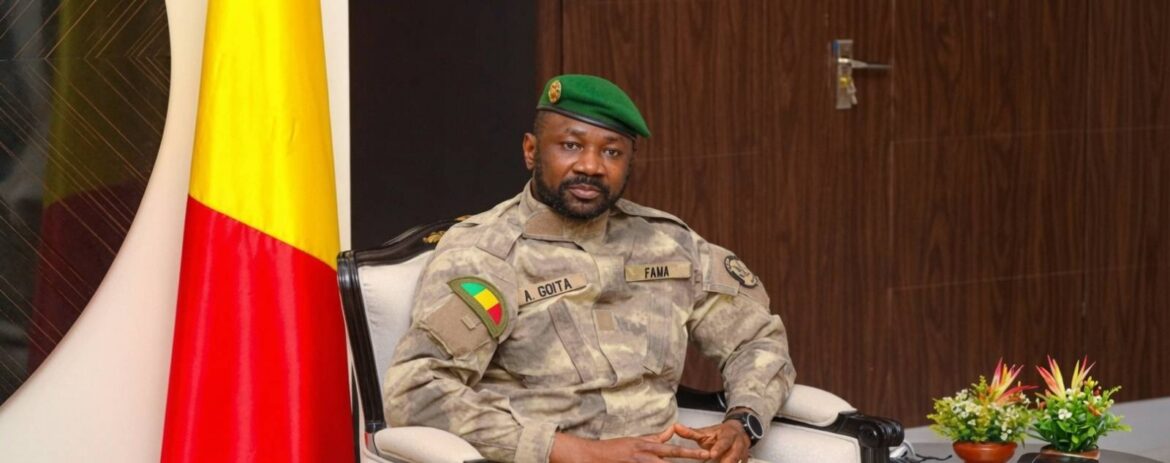
The promise was simple: reclaim Mali from armed groups. But behind the official declarations and rhetoric of restored sovereignty lies a grim reality. In their relentless pursuit of jihadist factions, the Malian Armed Forces (FAMa) and their Russian Wagner Group allies are systematically violating international humanitarian law, turning a counterterrorism campaign into a daily nightmare for civilians.
The gap between international obligations and battlefield realities
Mali is no stranger to legal frameworks meant to protect civilians. The country ratified the Geneva Conventions in 1965 and adopted the Additional Protocols in 1989, rules designed to regulate non-international armed conflicts. These treaties mandate strict distinctions between combatants and non-combatants, forbid cruel treatment, and require humane treatment of detainees. Training in international humanitarian law was once mandatory in military barracks.
Yet the disconnect between policy and practice has widened into a chasm. What were once isolated incidents of abuse have evolved into a deliberate strategy, where brute force replaces meaningful counterinsurgency tactics.
A documented reign of terror for civilians
Credible reports and field investigations paint a harrowing picture. Extrajudicial killings, systematic looting, and the wholesale destruction of entire villages in central and northern Mali have left a trail of civilian casualties. Investigations by Human Rights Watch and Amnesty International implicate both Malian security forces and their allied mercenary groups in widespread abuses that may constitute war crimes.
Reports detail scores of arbitrary executions, reports of torture—including waterboarding and electrocution—and enforced disappearances. The crisis disproportionately affects local communities, especially the Fulani people, caught between the brutality of jihadist militants and the state’s indiscriminate crackdown.
The unchecked power crisis after UN mission withdrawal
The junta’s decision to force the UN MINUSMA mission out of Mali by the end of 2023 wasn’t just a nationalist gesture—it was a strategic maneuver to silence external scrutiny. With the removal of international monitors, impunity became institutionalized. Despite meticulous remote documentation by NGOs, the absence of independent on-the-ground oversight gave forces free rein to escalate abuses without consequence.
A surge in reported violations in the following months confirmed how unbridled this new era of state violence had become.
The collapse of accountability and diplomatic failure
As the junta tightens its grip, legal recourse is vanishing. The International Criminal Court’s effectiveness in Mali has been undermined by withdrawal efforts, and a politicized national judiciary offers no path to justice. Regional organizations have failed to act: the African Union issues only muted declarations, while ECOWAS remains focused on constitutional order, unable or unwilling to influence Malian military strategy.
How state violence fuels the insurgency it claims to fight
By waging war through terror and violating fundamental rules of war, Mali’s military leadership is making a critical strategic miscalculation. Rather than quelling extremist recruitment, these disproportionate acts breed deep resentment among civilians—resentment that jihadist groups eagerly exploit. Each civilian death, each burned village, each act of torture becomes a recruiting tool for the very enemies this campaign claims to destroy.
The junta must face a harsh truth: a state that undermines its own people’s rights undermines its own legitimacy. When the barrel of the gun becomes the only language citizens hear, even the promise of security rings hollow.