The making of Benin’s unexpected rise within the francophonie
The 48th Ministerial Conference of the Francophonie (CMF) in Phnom Penh, Cambodia, has just concluded, but the ripple effect of its decisions will define the organisation’s trajectory for years to come. Among the outcomes, one stands out as particularly significant for West Africa: the Beninese Republic was chosen to assume the vice-presidency of the Francophonie’s decision-making core—a position that now amplifies its diplomatic influence across the francophone world.
This development is not merely symbolic. It reflects a deeper tectonic shift in how smaller nations can leverage multilateral platforms to shape global conversations. The Benin vice-presidency was finalised during the high-level deliberations of 14 November 2026, the day before the 20th Francophonie Summit, positioning the country at the heart of discussions that will influence peace, stability, and cultural preservation across 88 member states.
What lies behind Benin’s diplomatic breakthrough
Behind every prestigious international appointment lies a carefully orchestrated sequence of diplomatic exchanges, strategic alliances, and timely interventions. Benin’s ascent to the vice-presidency of the CMF is no exception. It was the result of meticulous preparation and sustained advocacy during preparatory meetings held throughout 2026, where Beninese diplomats engaged with counterparts from North America, Europe, and Africa to build consensus on shared priorities.
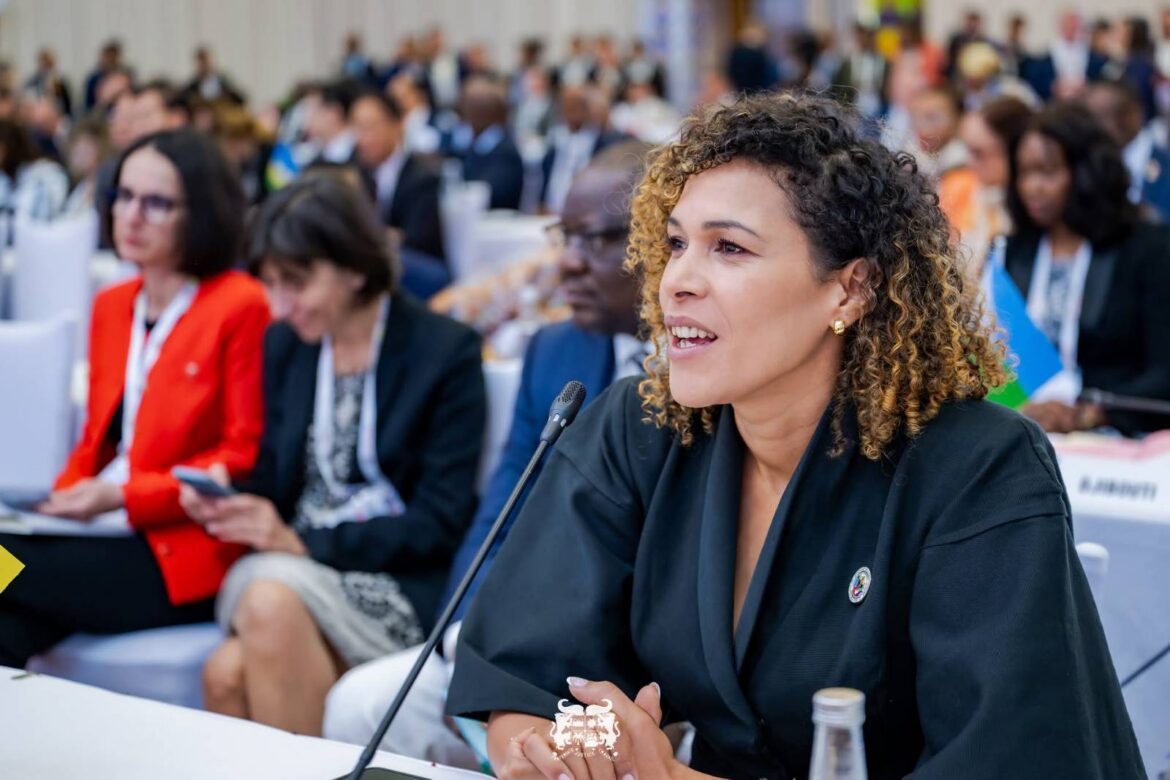
Minister of Foreign Affairs Corinne Amori Brunet led the Beninese delegation, underscoring the government’s commitment to strengthening cooperation within the Francophonie. Her presence in Phnom Penh signalled that Cotonou views its new role not as an accolade, but as a platform to amplify West African voices in shaping policies on peacebuilding, cultural heritage, and economic resilience.
How the francophonie’s agenda evolved under beninese leadership
During the conference, ministers focused on four interconnected pillars: political guidance, institutional reform, financial sustainability, and crisis response. The Beninese vice-presidency allowed the delegation to co-facilitate discussions on the Phnom Penh Declaration and a landmark resolution on conflict-sensitive recovery—documents that will guide the organisation until the next summit in 2027.
The resolution, titled “Strengthening Peace, Preventing Crises: A Pathway to Resilient Francophone Societies”, reflects the Beninese vision of using dialogue as a first line of defence against instability. It incorporates lessons gleaned from recent Sahelian conflicts and proposes concrete mechanisms for early warning, mediation, and post-crisis reconstruction—areas where Benin intends to exert influence.
Not just a title: real pathways to influence in 2027
The vice-presidency comes with tangible responsibilities. Benin is now part of the CMF’s bureau, a small but powerful body that drafts agendas, selects thematic priorities, and coordinates between summits. Over the coming year, Beninese officials will have the chance to influence the organisation’s thematic focus, advocate for francophone Africa’s inclusion in global aid mechanisms, and push for greater funding for cultural preservation programmes.
This institutional foothold arrives at a pivotal moment for the OIF. As the body prepares to elect its leadership for the 2027–2030 cycle, Benin’s active role positions it as a candidate for key positions, potentially including the next Secretary-General. The vice-presidency thus serves as both a credibility builder and a springboard for future ambitions.
Cotonou on the verge of hosting the francophonie in 2027
An even more ambitious outcome emerged from Phnom Penh: the assembled ministers endorsed Benin’s bid to host the 2027 CMF. If confirmed by heads of state, this would mark the first time in over two decades that a West African nation hosts a francophonie ministerial conference.
Hosting such an event would elevate Benin’s diplomatic stature, attract high-level delegations, and showcase its capacity to manage complex multilateral engagements. More importantly, it would allow the country to shape the agenda from start to finish—ensuring that issues of African peace, youth employment, and digital inclusion take centre stage in francophone policymaking.
What hosting means for citizens and businesses
A conference of this scale—typically involving 50+ ministers, hundreds of diplomats, and international media—generates significant economic and social spillovers. Hotels, logistics firms, cultural institutions, and language schools would all experience increased demand. The government has already begun preparing the groundwork, including upgrading conference venues in Cotonou and launching a national campaign under the theme “Benin Connects: Dialogue. Action. Future.”
Furthermore, hosting provides a rare opportunity to reposition Benin as not just a diplomatic player, but as a hub for cultural and economic exchange in francophone West Africa. Initiatives such as the Festival International de la Francophonie and sectoral roundtables on renewable energy and agribusiness could be integrated into the conference programme, offering global visibility to local enterprises.
A turning point for francophone diplomacy
Benin’s dual achievement—ascending to the vice-presidency and securing hosting rights for 2027—signals a broader transformation within the Francophonie. For decades, the organisation’s leadership was concentrated in Europe and Canada. Now, francophone Africa is increasingly asserting itself as a source of innovative ideas and pragmatic solutions.
By positioning itself at the forefront of this shift, Benin is not only expanding its international footprint but also reinforcing the bloc’s relevance in an era dominated by geopolitical fragmentation. Its actions in 2026–2027 could redefine how smaller nations exert influence in global governance—one multilateral forum at a time.