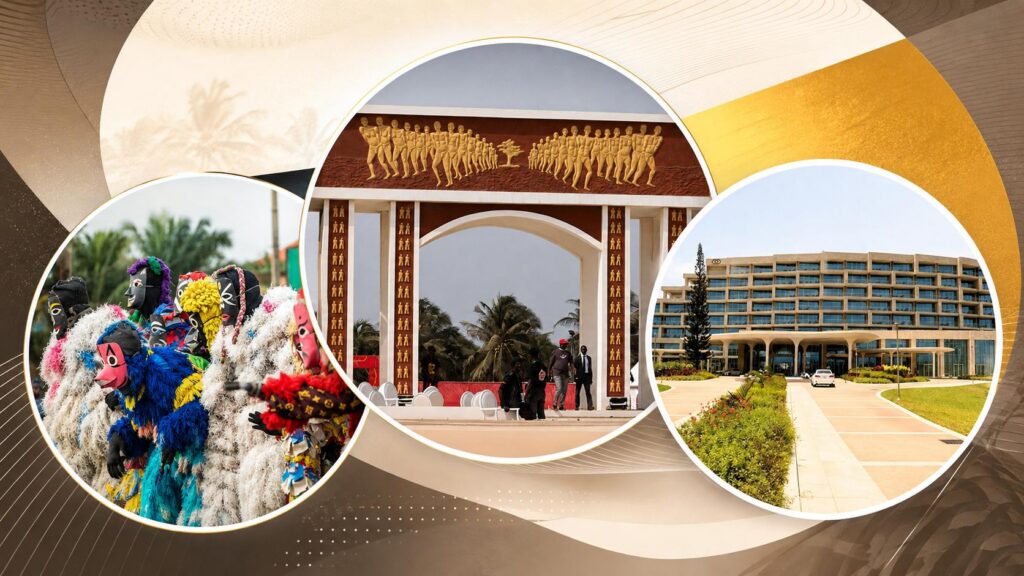
With a bold decade-long strategy, Benin has transformed from an overlooked destination into a thriving hub for regional tourism, drawing millions of visitors from neighboring countries. The country’s investment of nearly 2 billion euros in cultural heritage, infrastructure, and luxury hospitality has begun to yield tangible results, positioning it as a key player in West Africa’s tourism landscape.
Rebuilding Benin’s appeal through culture and investment
Once overshadowed by more established African tourist hotspots, Benin has made a strategic move to reinvent its image. Over the past ten years, the government has funneled approximately 2 billion euros—equivalent to 1,200 billion West African francs—into upgrading its cultural landmarks, tourism facilities, and hospitality sector. This comprehensive effort is now paying off, as travelers from across the region, particularly from the neighboring giant Nigeria, increasingly choose Benin as their preferred getaway.
The Nigeria-Benin tourism corridor: a game-changer
At the heart of this tourism boom is the growing connection between Lagos and Cotonou. With a mere 90-minute drive separating the economic powerhouse of Nigeria’s largest city from Benin’s bustling capital, the corridor has become a magnet for cross-border travelers seeking affordable and accessible leisure options.
The impact is clear:
- Weekend getaways surge: The newly opened Sofitel Cotonou Marina, Benin’s first five-star hotel, reports that Nigerian guests now make up the largest share of weekend bookings, drawn by the promise of relaxation, entertainment, and premium service.
- Seamless travel experience: Benin’s decision to waive visa requirements for all African travelers, combined with a well-connected land route via the Lagos-Cotonou axis, eliminates the need for expensive regional flights, making the destination far more accessible.
Cultural festivals as economic engines
Benin’s rich cultural heritage is not just a source of national pride—it’s a powerful driver of tourism revenue. Major festivals are drawing record crowds, boosting local economies and reinforcing the country’s reputation as a cultural destination:
Vodun Days in Ouidah: a growing phenomenon
The 2026 edition of the Vodun Days festival shattered previous attendance records, welcoming over 740,000 visitors compared to 435,000 in 2025 and just 97,000 during its inaugural year in 2024. Of the 144,000 international attendees, nearly 15% hailed from Nigeria, placing the country among the top three source markets alongside Togo (20%) and France (36%).
Porto-Novo’s International Mask Festival gains momentum
The third edition of the festival saw a significant spike in participation, highlighted by the inclusion of the iconic Eyo mask—a symbol of Yoruba culture originating from Nigeria—and Côte d’Ivoire’s famed Zaouli mask. The event underscores the cross-cultural appeal of Benin’s festivals, drawing diverse audiences from across the subregion.
Infrastructure upgrades to sustain growth
To accommodate rising visitor numbers and meet its ambitious target of 2 million annual tourists by 2030, Benin is fast-tracking infrastructure projects that promise to elevate the travel experience:
- International Vodoun Museum (Porto-Novo): A public investment of 27 million euros (18 billion West African francs) is nearing completion, offering visitors an immersive dive into the country’s spiritual traditions.
- Club Med Avlékété: A luxury resort with 336 rooms is under construction, backed by a 100 million euro investment (65.6 billion West African francs) and slated for a 2027 opening.
- Global hotel chains expand: The arrival of Hilton in Cotonou by 2028, along with new hospitality projects in Ouidah, will further diversify and professionalize the sector.
To sustain this momentum, the 2027 edition of Vodun Days will be extended to a full seven-day event (January 2–9), maximizing economic benefits for local businesses and ensuring a longer, more immersive experience for attendees.
You may also like
Niger’s junta reaches breaking point as Barmou’s arrest shifts the balance of power
Niamey mutiny exposes deep rifts in Niger’s military leadership
At the un headquarters in Niamey, the sovereignist bluff meets the reality of foreign aid
In Bamako, the prosecution of journalist Abdrahamane Keïta signals a tightening grip on free speech
RDC-Israël : un rapprochement aux enjeux multiples