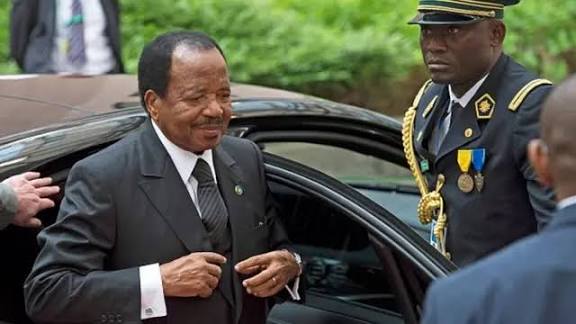
For over two months, Cameroon’s political landscape has been shrouded in an unusual silence following the prolonged absence of President Paul Biya. The official statement from the civil cabinet described his departure from Yaoundé on June 7, 2026, as « a brief private stay »—a description that has since been overshadowed by reality.
The president’s absence, now stretching to 66 days, has left the Central African Economic and Monetary Community (CEMAC) in a state of unease. As the days pass without a public appearance or clear communication, concerns about the country’s leadership and regional stability continue to mount.
Regional implications of Cameroon’s leadership gap
The prolonged absence of a head of state in a key CEMAC member nation has raised questions about economic policies, monetary stability, and diplomatic engagements. The CEMAC region, which relies on Cameroon for economic influence and regional cohesion, now faces heightened scrutiny over its ability to maintain equilibrium without a visible leader at the helm.
Analysts are closely monitoring the situation, noting that Cameroon’s role within the bloc could be temporarily suspended, pending a return of the president or a formal transition of power. The uncertainty has also sparked discussions on contingency plans among neighboring countries.
Public reaction and political silence
Cameroonians and international observers alike are left grappling with the lack of updates on the president’s health or whereabouts. The prolonged silence has fueled speculation, with no official statements or public appearances to provide clarity. This vacuum of information has only deepened the sense of instability, both domestically and across the CEMAC zone.
The absence of a clear timeline for the president’s return has left businesses, investors, and citizens in a state of limbo, questioning the future direction of the country and its economic policies.
You may also like
As donor fatigue spreads, can Benin’s €544,042 UNAIDS pledge keep the HIV response on track?
Who pays the price when Burkina Faso’s public payroll contracts? Households weigh the cost of 1,917 fewer agents
Libya pushes for direct Tripoli-Yaoundé flights as Cameroon sets up working groups
JNIM seizes three Burkinabè positions in a single day as Traoré’s security record faces hard questions
Chad condemns Ennedi-East airstrikes at un general assembly, warns of retaliation