Gabon: Bilie By Nze detention sparks justice system debate
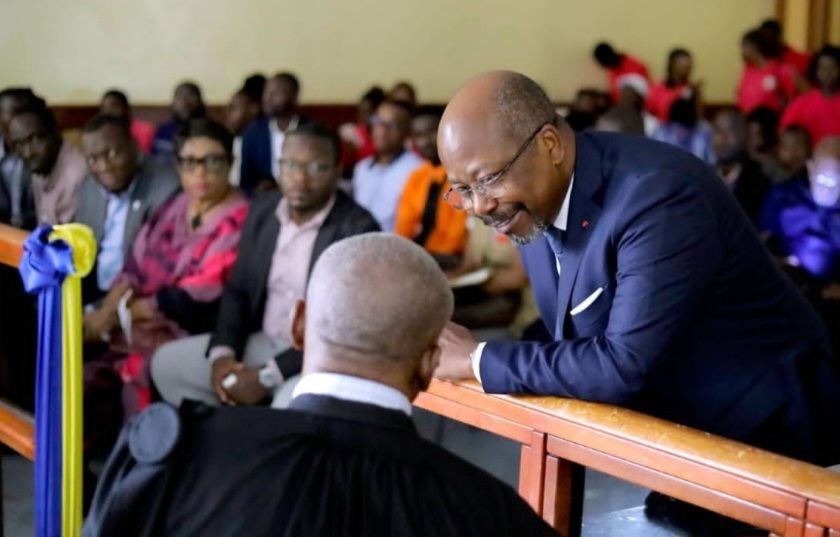
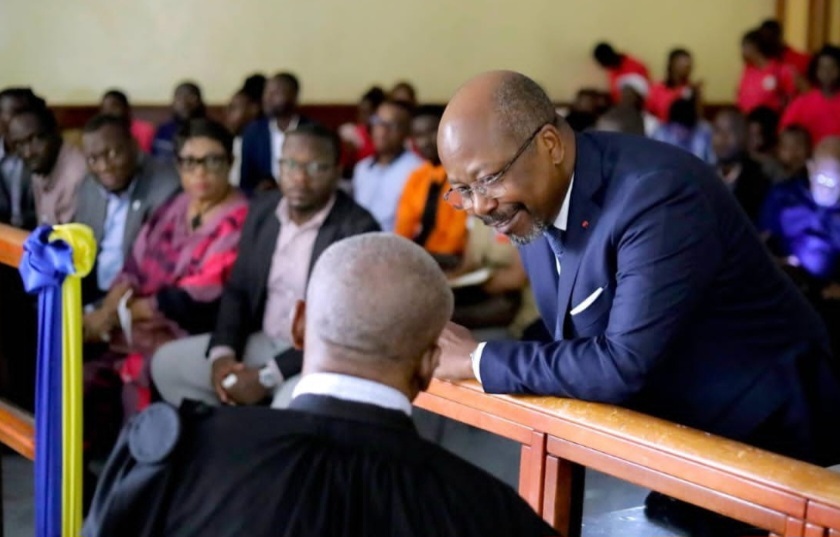
Libreville, June 3, 2026 – The continued detention of Alain-Claude Bilie By Nze, former Prime Minister and prominent Gabonese opposition leader, has intensified debates over judicial independence and the fairness of legal procedures in the country.
The Appellate Court in Libreville has upheld the rejection of his defense’s motion to dismiss the case, thereby maintaining his incarceration at the central prison since April 16, 2026. While the case appears to involve common legal disputes, it has evolved into a significant institutional issue, raising questions about the balance between justice, politics, and fundamental trial guarantees.
Contested legal process and allegations of statute of limitations
Bilie By Nze faces charges of alleged embezzlement and fraud dating back to 2008. His legal team argues that these offenses are time-barred under Gabonese law, as the statute of limitations would have expired in 2018. They contend that the prosecution’s case lacks legal merit and that his prolonged detention violates procedural fairness.
The defense further highlights several procedural irregularities, including legal technicalities and the contested classification of the alleged crimes. According to Me Arthur Vercken, one of Bilie By Nze’s attorneys, the situation constitutes a serious violation of fair trial rights and Gabon’s international commitments to due process.
Additionally, the lawyers point out that Bilie By Nze was held for 24 hours without access to legal counsel following his arrest, a delay that has drawn criticism regarding strict adherence to judicial protocols.
Political undercurrents in a high-stakes judicial case
The legal controversy unfolds against a politically charged backdrop, with Bilie By Nze as a central figure in Gabon’s opposition. Once a key figure in the administration of former President Ali Bongo Ondimba, he has since emerged as a leading critic of the current regime under President Brice Clotaire Oligui Nguema, elected in 2025.
The political dimension amplifies the significance of the ongoing proceedings. Accusations of arbitrary detention and judicial irregularities have resonated strongly within opposition circles and parts of the public, transforming the case from a mere legal matter into a litmus test for the rule of law in Gabon’s post-election landscape.
When questioned about the case in a recent interview, President Oligui Nguema emphasized the separation of powers, stating that the matter falls entirely under the purview of the judiciary. He underscored his commitment to judicial autonomy, affirming that he has no involvement in the matter and that it remains a strictly judicial issue.
A test for judicial independence and institutional stability
The Appellate Court’s decision to deny Bilie By Nze’s request for provisional release and to uphold the validity of the proceedings has placed Gabon’s judicial system under close scrutiny—both domestically and internationally. The defense’s arguments, centered on statute of limitations and alleged procedural flaws, have fueled broader discussions about transparency and rigor in high-profile cases.
In such matters, the focus extends beyond the defendant’s guilt or innocence. It calls into question the integrity of the institutions responsible for delivering justice. The perception of an independent judiciary, free from political interference, has become a cornerstone of public trust in the state’s institutions.
This case serves as a revealing indicator of the persistent tensions between accountability, fundamental rights, and political stability. In a nation undergoing institutional restructuring, every judicial decision involving a major political figure is closely watched as a gauge of democratic maturity.
Beyond Bilie By Nze’s personal situation, the case challenges Gabon’s judicial system to demonstrate its capacity to deliver fair, transparent, and internationally compliant outcomes. The resolution of this case will weigh heavily on the fragile balance between institutions and citizens, shaping the nation’s democratic trajectory.