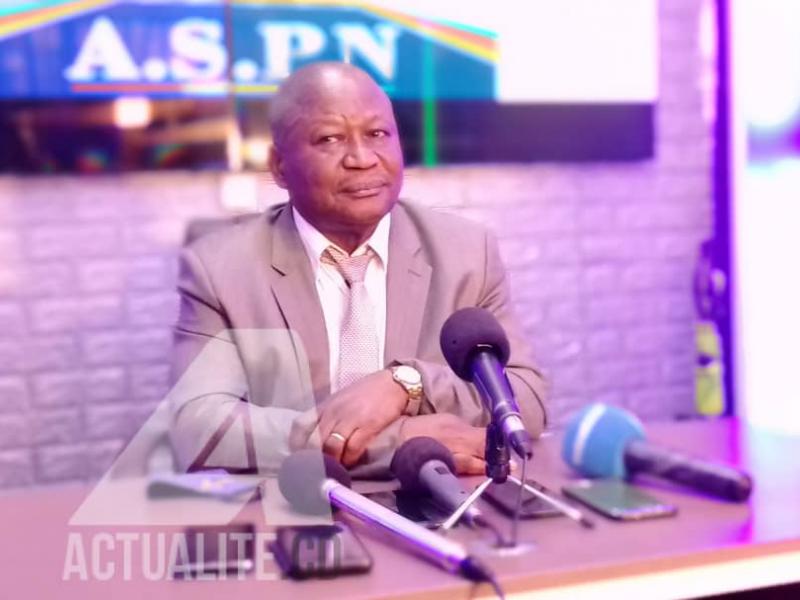
In a revealing analysis during a live debate on Tuesday, Paul Nsapu, Chairman of the National Human Rights Commission (CNDH), outlined a stark contrast in human rights violations across the Democratic Republic of Congo (DRC). While acknowledging legislative progress, he highlighted two distinct realities shaping the country’s human rights landscape.
structural violations persist in Kinshasa
Within provinces under the direct control of Kinshasa, Nsapu identified persistent structural violations affecting civil, political, economic, and social rights. These include violations of the right to work, healthcare, education, and other fundamental freedoms. According to his assessment, these issues stem from decades of systemic failures, where successive governments have neglected to improve the living conditions of the population despite legislative advancements.
The CNDH Chairman attributed these violations to the absence of meaningful development and the lack of tangible improvements in daily life for citizens. He emphasized that while legal frameworks may exist, their implementation remains inadequate, perpetuating a cycle of neglect and marginalization.
eastern provinces face severe humanitarian crises
The situation in the eastern regions of the DRC—particularly North Kivu, South Kivu, and parts of Ituri—presents a far more alarming picture. Nsapu described this area as the epicenter of severe human rights abuses, where the most fundamental rights, such as the right to life and security, are systematically violated. He directly implicated the presence of the Rwandan army and allied armed groups operating in these regions, which operate outside the control of Kinshasa’s authorities.
These groups, he noted, exacerbate violence and instability, creating an environment where civilians live under constant threat. The lack of state control in these areas has allowed for widespread abuses, including arbitrary killings, forced displacements, and systematic violations of human dignity. Nsapu’s remarks underscore the urgent need for both national and international intervention to address these crises and restore security to the region.
a call for urgent action
Nsapu’s analysis serves as a critical reminder of the deep divisions within the DRC. While legislative reforms may provide a foundation for progress, their effectiveness is undermined by entrenched structural issues in Kinshasa and outright humanitarian crises in the east. Addressing these challenges will require concerted efforts to strengthen governance, improve service delivery, and ensure the protection of fundamental rights across the entire country.
The CNDH’s findings highlight the urgent need for action to bridge the gap between legal frameworks and their practical implementation, particularly in regions where the most basic rights are under siege.