persistent fuel scarcity cripples Ségou, Mali’s local economy
Since September 2025, Ségou, a pivotal city in central Mali, has been enduring a chronic fuel scarcity, profoundly impacting daily life and the broader economic landscape. This prolonged Ségou fuel crisis highlights significant challenges in West Africa.
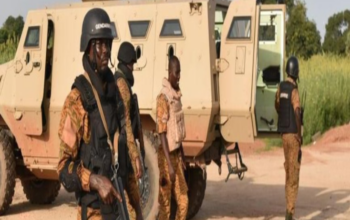
Located over 200 kilometers from the capital, Bamako, Ségou relies entirely on fuel convoys, which necessitate secure escorts from the Malian Armed Forces (FAMa). Due to the precarious security situation across the Sahel region, these crucial supply operations occur only two to three times monthly.
inadequate fuel supply persists
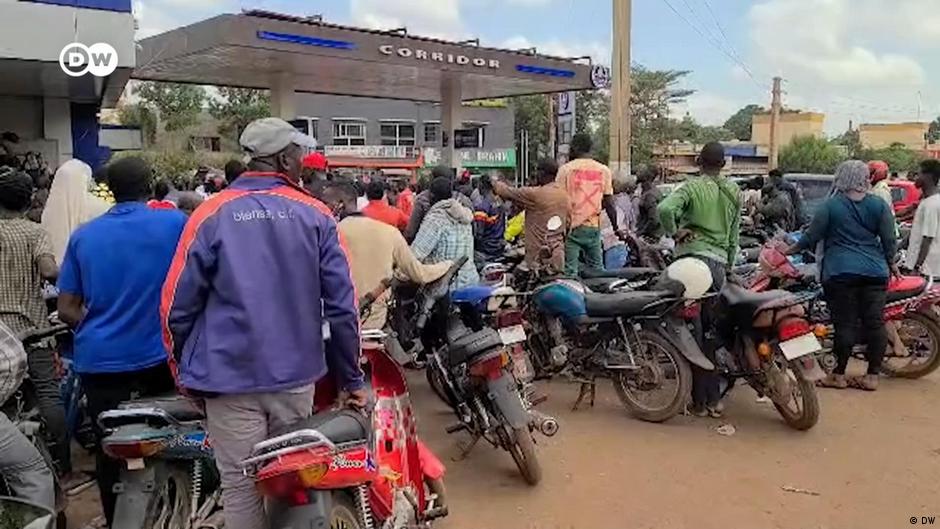
Upon each arrival, typically more than ten tanker trucks deliver fuel to the city. However, the bulk of this precious commodity is allocated to industrial production facilities and Énergie du Mali (EDM), the national electricity company. Consequently, only three or four trucks are left to supply local service stations, where reserves are often depleted within a mere forty-eight hours.
Residents have widely reported that the supply challenges, exacerbated by regional insecurity, have inadvertently fostered a highly profitable black market for fuel. They voice strong concerns over persistent stockouts at official service stations and demand a more consistent and reliable supply chain.
black market thrives amidst scarcity
As soon as official service stations run dry, informal vendors promptly step in to fill the void. Across various neighborhoods in Ségou, a liter of gasoline is being sold for between 2,000 and 5,000 CFA francs, prices significantly higher than standard rates.
Local residents are increasingly questioning the provenance of the fuel being distributed through this parallel market. Many believe that opportunistic individuals are exploiting the ongoing crisis to generate substantial profits, operating openly and seemingly without consequence.
local economy severely impacted
The profound fuel shortage has direct and severe repercussions on both the local economy and the daily mobility of Ségou’s inhabitants. Observers have noted an unusual downturn in activity across the city’s main thoroughfares.
Public transportation services are among the hardest hit sectors. The fares for tricycles, locally known as «katakatani», have doubled, soaring from 100 to 200 CFA francs. This steep increase significantly complicates the daily commutes for countless students, educators, and workers in Mali.
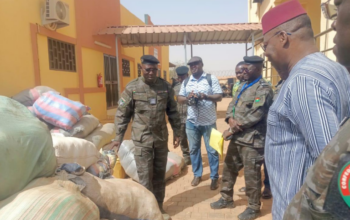
Amidst this challenging environment, the FAMa has intensified its patrols and checkpoints along key roadways, aiming to intercept vehicles illicitly transporting large volumes of fuel to remote areas. Despite these enforcement efforts, residents continue to press for a sustainable resolution to a crisis that daily weakens Ségou’s economic stability and impacts the wider West Africa Sahel region.