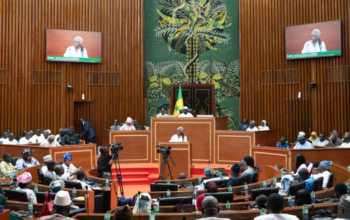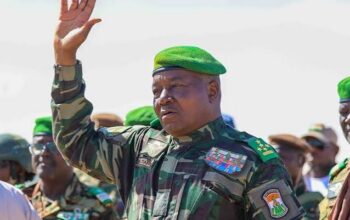
Since 2020, Africa has witnessed a troubling wave of political upheaval, with nine successful military coups displacing democratically elected leaders. This trend marks a significant departure from the continent’s decades-long pursuit of democratic governance, raising pressing questions about the stability and future of governance across the region.
From democratic ideals to military rule
The past few years have seen a stark reversal of fortune for Africa’s democratic aspirations. Governments that were once elected through transparent processes have been forcibly removed by military factions, often citing corruption, mismanagement, or popular discontent as justification. These transitions have not only destabilized nations but also eroded public trust in democratic institutions.
Shifting global alliances and growing resistance
Beyond domestic turmoil, Africa’s political landscape is being reshaped by its evolving relationships on the global stage. As the continent increasingly aligns with the Global South, a growing number of nations are embracing illiberal governance models, distancing themselves from Western democratic pressures. This shift reflects a broader rejection of historical interventions and a desire for alternative forms of partnership.
Since the landmark 1990 speech by François Mitterrand in La Baule, which tied development aid to democratic reforms, African nations have faced mounting expectations to adopt Western-style governance. While these reforms initially promised progress, they have often been misapplied or met with resistance, fueling frustration and skepticism toward imposed democratic ideals.
What lies ahead for African democracy?
The path forward remains uncertain. As military regimes consolidate power and alternative governance models gain traction, the continent stands at a crossroads. Will Africa’s democratic institutions recover, or will the rise of military rule and illiberal regimes redefine the continent’s political future? The answers to these questions will shape not only Africa’s governance but also its global partnerships for decades to come.