The brutal murder of a foreign national in Durban has thrust South Africa into the spotlight, revealing deeper systemic failures that fuel xenophobic violence. The African Commission on Human and Peoples’ Rights (ACHPR) has not merely condemned the attack—it has framed it as a potential crime against humanity, signaling a watershed moment in the nation’s struggle with systemic xenophobia.
What happened in Durban and why it matters
On October 22, 2026, a foreign man in his 30s or 40s was beaten to death by a mob of about 50 people in central Durban. According to police reports, he was assaulted on a roadside and died from his injuries at the scene. While his nationality remains undisclosed, the attack occurred amid escalating public hostility toward immigration, raising urgent questions about the state’s role in protecting vulnerable populations.
The African Commission’s strong condemnation goes beyond moral outrage. By invoking the possibility of a crime against humanity, the body underscores that such violence is not isolated but part of a broader, entrenched pattern of xenophobic aggression in South Africa. This legal framing places the onus on Pretoria to act decisively—or risk systemic collapse in its duty to safeguard all residents, regardless of origin.
Systemic roots: how discourse fuels violence
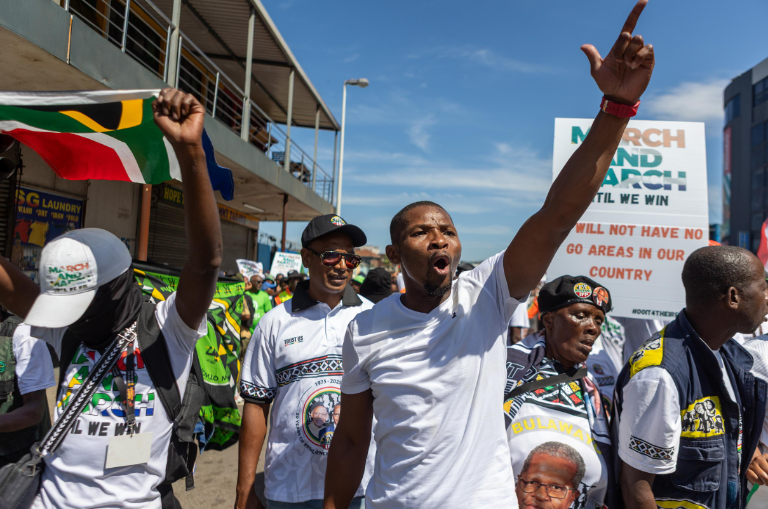
The Durban killing did not emerge in a vacuum. For months, South Africa has seen a surge in anti-immigration rhetoric, with militant groups blaming foreigners for economic strain, unemployment, and public service pressures. While these grievances reflect real societal challenges, they have metastasized into vigilante justice, where mobs take the law into their own hands.
Durban, the country’s third-largest city, has become a flashpoint. Protests against migrants have spiraled into looting, property destruction, and targeted violence. Human rights advocates warn that the line between policy critique and collective punishment has been crossed. No community should bear the burden of national failures, nor should any group be deemed disposable by lawless mobs.
Legal and moral obligations: Pretoria’s reckoning
The South African Human Rights Commission (SAHRC) has echoed the ACHPR’s alarm, labeling the Durban murder a crime against humanity and demanding justice. The Constitution guarantees the right to life for all within South Africa’s borders—citizens and non-citizens alike. Yet, the government faces a dual crisis: addressing public concerns over immigration while upholding the rule of law.
A credible, impartial investigation into the Durban killing is critical. Swift prosecutions could deter future vigilante violence, but failure to act risks normalizing impunity. The state’s credibility hinges on whether it can protect lives and enforce justice—or whether mob rule will prevail.
Pan-African solidarity at a crossroads
The Durban tragedy forces Africa to confront a painful contradiction. The continent’s history of solidarity—exemplified by support for South Africa’s anti-apartheid struggle—now clashes with the reality of xenophobic violence within its borders. How can the dream of free movement and regional integration survive when citizens fear for their lives in neighboring countries?
The ACHPR’s intervention is not just about condemning a murder. It is a call to action: to dismantle hate speech, protect marginalized communities, and reaffirm that human dignity transcends nationality. Durban’s victim must not be another statistic in a cycle of violence. His death demands accountability—and a new path forward.
Key takeaways
- Systemic failure: The Durban killing exposes deep-rooted issues in South Africa’s approach to immigration and law enforcement.
- Legal gravity: Framing the attack as a potential crime against humanity raises the stakes for Pretoria’s response.
- Moral imperative: National grievances cannot justify mob violence; the state must protect all residents.
- Regional stakes: The incident challenges Africa’s commitment to solidarity and shared prosperity.