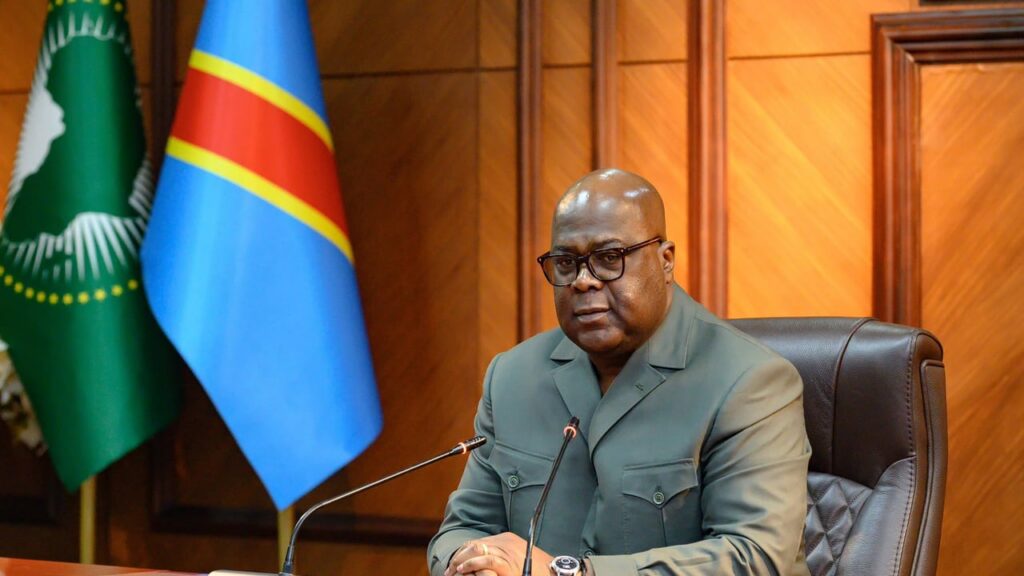
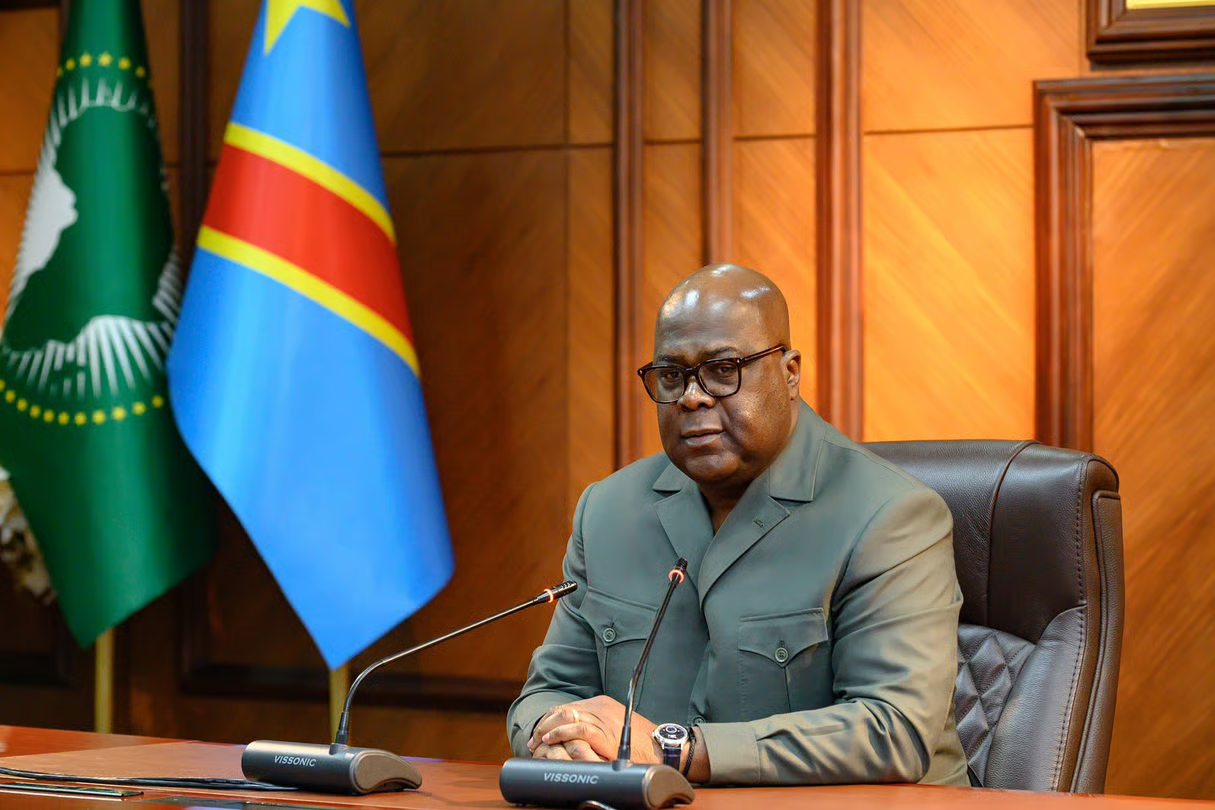
The Democratic Republic of Congo’s Constitutional Court has issued a significant ruling regarding the nation’s referendum law, a decision that promises to reshape the country’s political and legal landscape. This judicial pronouncement holds considerable weight, underscoring the critical role the Court plays in safeguarding the constitutional order and reinforcing democratic governance within the DRC.
At its core, a referendum law outlines the framework and procedures for engaging the populace on vital national matters, including potential revisions to the constitution. Consequently, any judicial interpretation of this legislative instrument directly influences the mechanisms of direct democracy and public engagement across the DRC. The Court’s position clarifies the legal boundaries within which future popular consultations can be conducted, impacting everything from electoral reforms to major policy initiatives.
Observers in Kinshasa and throughout the country are meticulously analyzing the implications of this ruling, anticipating its ripple effects on stability and governance. For President Félix Tshisekedi’s administration, navigating the aftermath of this decision will be essential for maintaining institutional equilibrium and fostering national unity. The clarity provided by the Constitutional Court is expected to either streamline or redefine the pathway toward significant political transformations, marking a pivotal moment in the Democratic Republic of Congo’s ongoing democratic evolution.
You may also like
Niger : l’écart entre le discours sécuritaire du CNSP et la réalité des zones exposées
Niger: the double silence at the heart of power
Niger: Tiani’s purge and the hidden fractures within the junta
Civilians killed in Bandiagara: rights body urges Mali to uphold its duties
In northern Togo, geopolitical rivalries overshadow the urgent needs of the population