The Constitutional Court in Kinshasa has brought an end to much suspense, declaring the referendum organization law compliant with the nation’s constitution.
This judicial ruling, however, ignites a fierce debate across the Congolese political landscape. Opponents fear the legislation could pave the way for constitutional amendments, potentially allowing the head of state to extend his tenure. The presidential camp vehemently rejects this interpretation, asserting that any proposed reforms aim solely to enhance institutional functionality.
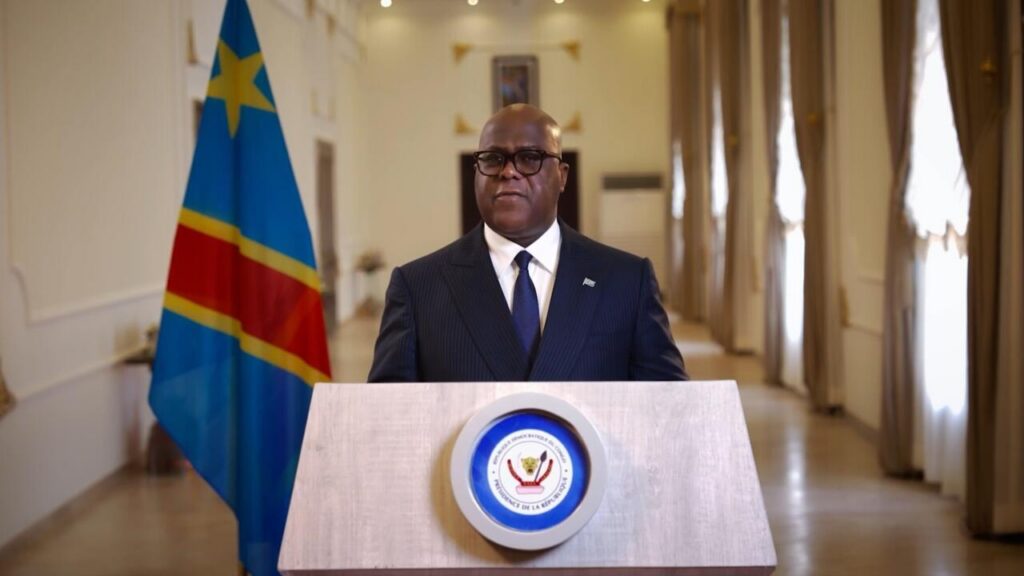
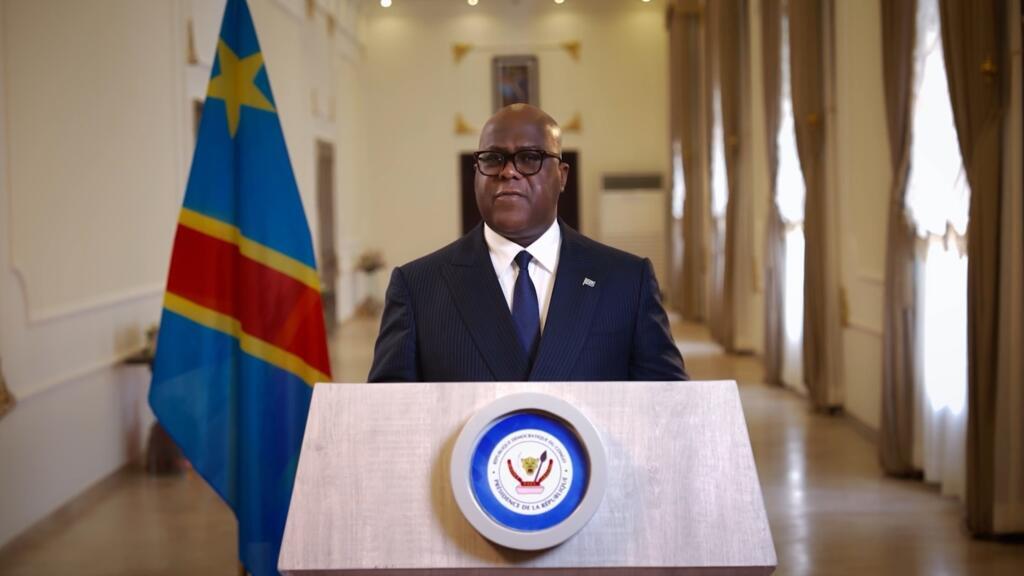
President Félix Tshisekedi, who assumed office in 2019, is set to conclude his second term in late 2028. The current Congolese Constitution explicitly prohibits any revision to the number or duration of presidential mandates. Despite this, during a rare press conference in early May, the 63-year-old leader stated he had “not sought a third term” but added, “if the people wish for me to have a third term, I will accept.”
Opposition mobilizes against potential third term
With the referendum bill already passed by the National Assembly and approved by the Senate, President Tshisekedi now has a clear path to promulgate the law.
Consequently, the opposition stands firm against this development. They contend that enacting the referendum law could initiate a constitutional overhaul, potentially resetting President Tshisekedi’s term count and enabling him to seek a third mandate. This prospect is deemed unacceptable by opposition factions, who have been actively mobilizing for weeks to thwart any attempts at constitutional revision. While the Congolese government has offered no official statements to justify the opposition’s mistrust, President Tshisekedi’s earlier remarks about accepting a popular call for a third term fuel these concerns.
Catholic Church also opposes constitutional changes
The influential Catholic Church in the DRC has also voiced its strong disapproval of any constitutional alterations. The Cenco (Conférence Épiscopale du Congo), representing bishops from all provinces, issued an unequivocal declaration regarding the president’s proposed constitutional changes. The Congolese prelates asserted firmly that they perceive “neither the necessity, nor the urgency, nor the opportunity to modify the Constitution.” This statement serves as a clear repudiation, especially as such a modification could facilitate a third term for the president. In expressing their veto, the Catholic prelates demonstrate consistency; the widespread, Church-inspired demonstrations of 2018, which aimed to dissuade then-President Joseph Kabila from seeking re-election after his constitutionally mandated final second term, remain fresh in public memory. Under popular pressure, international condemnation, and the threat of sanctions, Kabila ultimately relented, though not without evident reluctance.
Political dialogue: inclusive or instrumental?
The constitutional debate might, however, find its way onto the agenda of a political dialogue potentially emerging in the coming weeks. The conditional nature of this prospect highlights lingering uncertainties.
President Félix Tshisekedi has reportedly entrusted religious confessions with organizing this political dialogue, though its exact parameters, especially its truly inclusive nature – including whether all key figures of the Congolese crisis, such as former President Kabila, should participate – are yet to be determined. A divergence of views is evident regarding the dialogue’s thematic focus. The government emphasizes national cohesion in the face of Rwandan aggression, while the opposition remains steadfastly focused on preventing constitutional change. The head of state is said to be willing to address “all questions of national interest,” suggesting the constitutional debate might not be off-limits. Nevertheless, a critical concern remains: avoiding the pitfalls of such dialogues, which incumbent powers often utilize to weaken opposition by proposing yet another distribution of power.
You may also like
Niger: opposing Tiani’s junta means losing your citizenship
Benin and Spain: a cultural pact built on art and diplomacy
Niger: Tiani’s post-coup purge strips 25 citizens of nationality
Niger: 1.8 billion FCFA monthly military fund at centre of Tiani-Mody-Zeine power struggle
Mali press reform: a decade of internal division behind the employers’ consensus