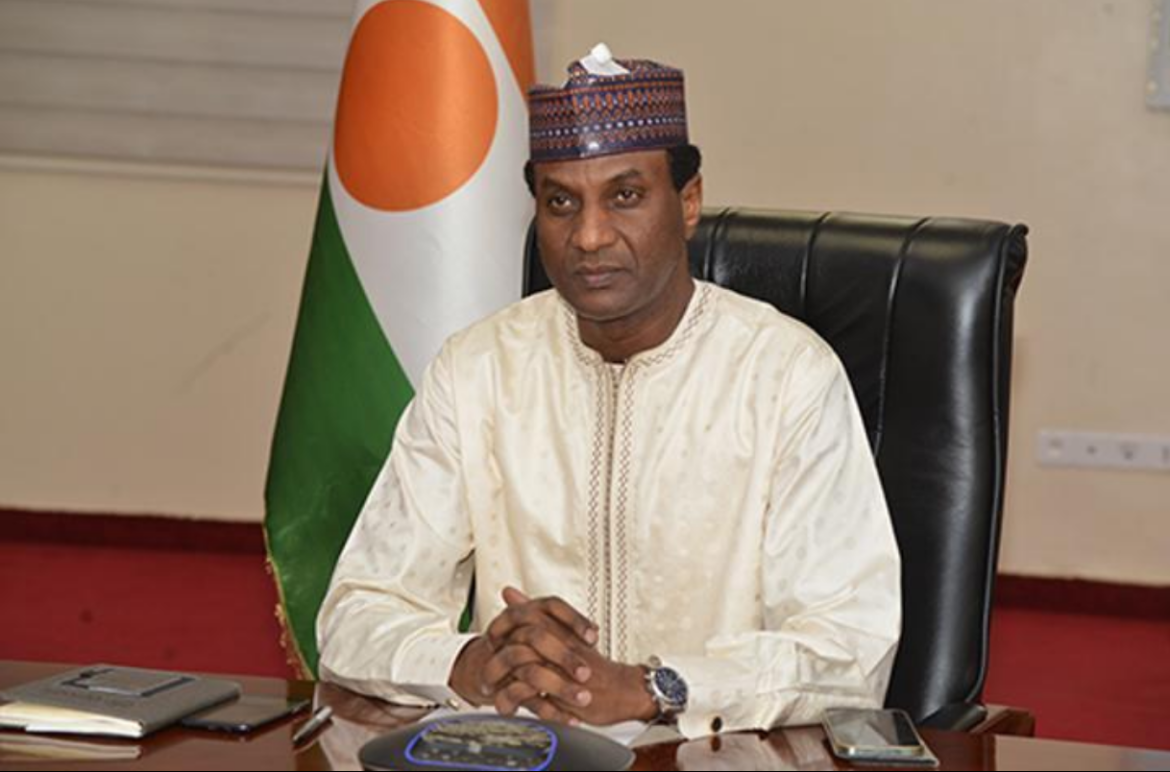
Behind the diplomatic niceties of Sunday’s high-stakes meeting in Benghazi, a deeper calculus was at play. The arrival of Niger’s Prime Minister Ali Mahaman Lamine Zeine for talks with Libya’s de facto east Libyan leadership—led by General Saddam Haftar and Prime Minister Oussama Hammad—wasn’t just another step in regional diplomacy. It marked a potential shift in the Sahel’s shifting alliances, where military positioning and quiet rivalries are redefining power on the ground.
Why the Benghazi protocol matters now
Signed under the watchful eyes of Libyan military commanders, the newly unveiled cooperation agreement between Niger and eastern Libya arrives at a critical juncture. Just days earlier, Algeria had taken a historic step: parliament had approved the deployment of its armed forces to Niger—a move framed as a shield for economic and energy interests, including oil assets and the Trans-Saharan Gas Pipeline. But behind the official justification lies a more strategic concern: controlling the land routes that link the Maghreb to the Sahel.
With Algeria extending its military footprint, western observers began speculating whether Niamey would seek to counterbalance this presence. The Benghazi visit, and the subsequent protocol, suggest it may have done exactly that—by aligning more closely with forces already in motion on Libya’s southern flank.
Algeria’s expanding footprint and the Haftar wildcard
The Madama base in northeastern Niger has long been eyed as a potential staging ground for foreign troops. Its location near the Libyan border gives it outsized strategic value—providing a vantage point to monitor armed group movements and secure interests across porous desert borders. Algeria’s Parliament endorsement of troop deployment underscores a new willingness to project power beyond its borders, marking a departure from its long-standing doctrine of non-intervention.
But Algeria’s advance is colliding with another reality: the growing influence of Khalifa Haftar’s forces in southern Libya. As Algiers seeks to assert control over the region, Haftar’s eastern authorities are consolidating their own presence—potentially complicating Algeria’s ambitions. The Benghazi cooperation protocol may offer Niamey a strategic counter, enabling it to diversify alliances in a region where loyalty is fluid and balance is everything.
The triple-border nexus: where Algeria and Haftar collide
The tri-border zone between Niger, Libya, and Algeria has become a flashpoint in this quiet confrontation. It’s not just a transit corridor for people and goods—it’s a space where armed groups move freely, governments stake claims, and influence is measured in boots on the ground. Algeria fears Haftar’s advance could disrupt its control over key desert routes leading from the Sahara to the Sahel. Meanwhile, reports of alleged support for rebel factions based in southern Libya add to the tension, even as the exact chains of command remain obscured.
For Niamey, this volatile triangle presents both opportunity and risk. A deeper partnership with Benghazi could help strengthen political and security control along the Libyan border—but it also risks drawing Niger into a proxy-style confrontation between Algiers and Libya’s east.
Alger vs. Haftar: a rivalry with no clear winner
Relations between Algiers and the Haftar camp have never been warm. Algeria has traditionally backed the UN-recognized Government of National Accord in Tripoli, advocating for a united Libyan solution. Haftar’s eastern authorities, on the other hand, have pursued their own regional alliances, often with unpredictable results.
As Saddam Haftar’s influence grows in southern Libya, Algeria may interpret Niamey’s rapprochement as a deliberate counter-move—a bid to dilute Algerian influence and secure alternative support. Yet despite the symbolism, there’s no public evidence that this protocol represents a formal military alliance aimed at Algeria. The details remain under wraps, leaving room for speculation but no clear conclusions.
Niger’s balancing act: survival in a fractured region
For Niger’s leadership, the stakes couldn’t be higher. With terror threats swelling at its borders, domestic instability rising, and regional powers advancing their agendas, Niamey faces a delicate balancing act. By engaging both Algiers and Benghazi, it may be trying to maintain strategic autonomy—avoiding over-reliance on any single partner lest it be caught in a proxy war it didn’t choose.
But alignment is never cost-free. As Algeria deepens its military presence and Haftar’s forces gain ground in the south, Niger risks becoming the stage where two rival visions of the Sahel collide. In this shadow conflict, cooperation agreements—like the one signed in Benghazi—may offer short-term benefit, but long-term consequences are still unwritten.
The ripple effect: what comes next?
What began as a quiet protocol in Benghazi now appears to be part of a larger pattern. Algeria’s military expansion and Haftar’s southern strategy are converging in a region where borders blur and alliances shift with the desert wind. Niger, caught in the middle, must navigate carefully. One thing is clear: the struggle for influence in the Sahel is no longer confined to maps and summits. It’s being waged on the ground—with real troops, shifting loyalties, and high-stakes diplomacy.