African union summit faces criticism over coup leaders in democratic elections

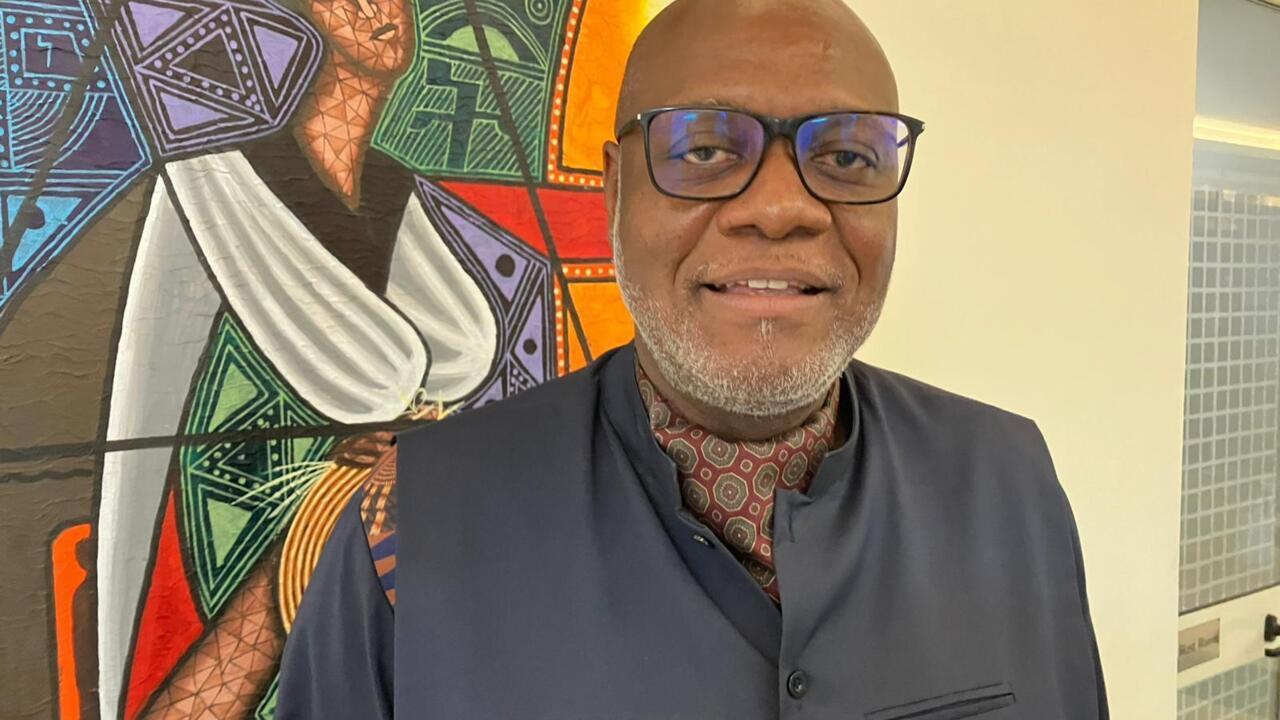
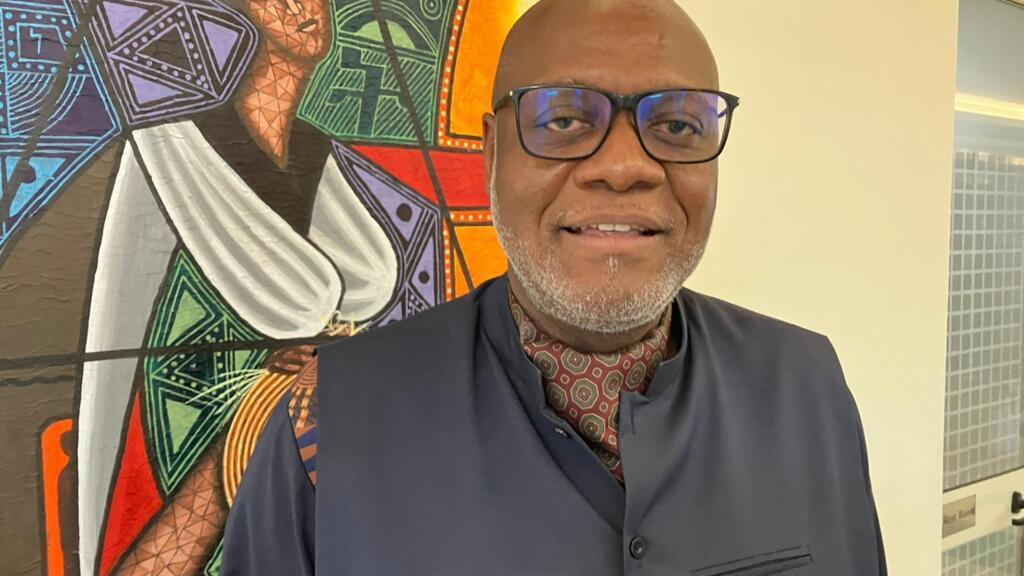
The 39th African Union summit concluded with a bold declaration to silence the guns and reject unconstitutional changes of power. Yet skepticism lingers: can this promise truly be fulfilled? Paul-Simon Handy, a Cameroonian researcher and regional director of the Institute for Security Studies (ISS) for East Africa, attended the summit in Addis Ababa and shared his insights on the matter.
United against unconstitutional power shifts
During the summit, African leaders reaffirmed their commitment to ending unconstitutional changes of government. The declaration emphasized the need to silence the guns and prevent coups from gaining legitimacy through democratic processes. However, the practicality of this stance remains under scrutiny.
Paul-Simon Handy, who was present at the summit, weighed in on the issue. He questioned whether the African Union could enforce its principles effectively, especially when coup leaders attempt to legitimize their rule through elections.
Challenges to enforcing anti-coup measures
Handy highlighted the tension between condemning coups and allowing their perpetrators to participate in elections. He argued that electing those responsible for unconstitutional power grabs undermines the very principles the African Union seeks to uphold.
The researcher emphasized the need for stronger mechanisms to prevent coup leaders from leveraging elections to gain international recognition. He stressed that the continent’s stability depends on holding such actors accountable, rather than rewarding them with democratic legitimacy.
Regional implications of the summit’s declaration
The African Union’s stance sends a clear message to the international community, particularly regarding conflicts in the Sahel region. By rejecting unconstitutional power shifts, the AU aims to reinforce the rule of law and democratic governance across Africa.
Yet, the effectiveness of this approach remains a subject of debate. Critics argue that without robust enforcement, declarations alone may not deter future coups or prevent their leaders from exploiting democratic processes.
Looking ahead: will the African Union’s stance hold?
As African nations grapple with political instability, the African Union’s declaration marks a pivotal moment. Whether this commitment translates into tangible action will determine the continent’s trajectory in combating unconstitutional power changes.
Handy’s insights underscore the urgency of addressing this issue. He called for a unified approach, where regional bodies and member states collaborate to ensure that democratic principles are not exploited by those who seek to undermine them.
The summit’s outcome may set a precedent for how Africa handles future crises of governance. The world will be watching to see if the AU’s resolve translates into real change.