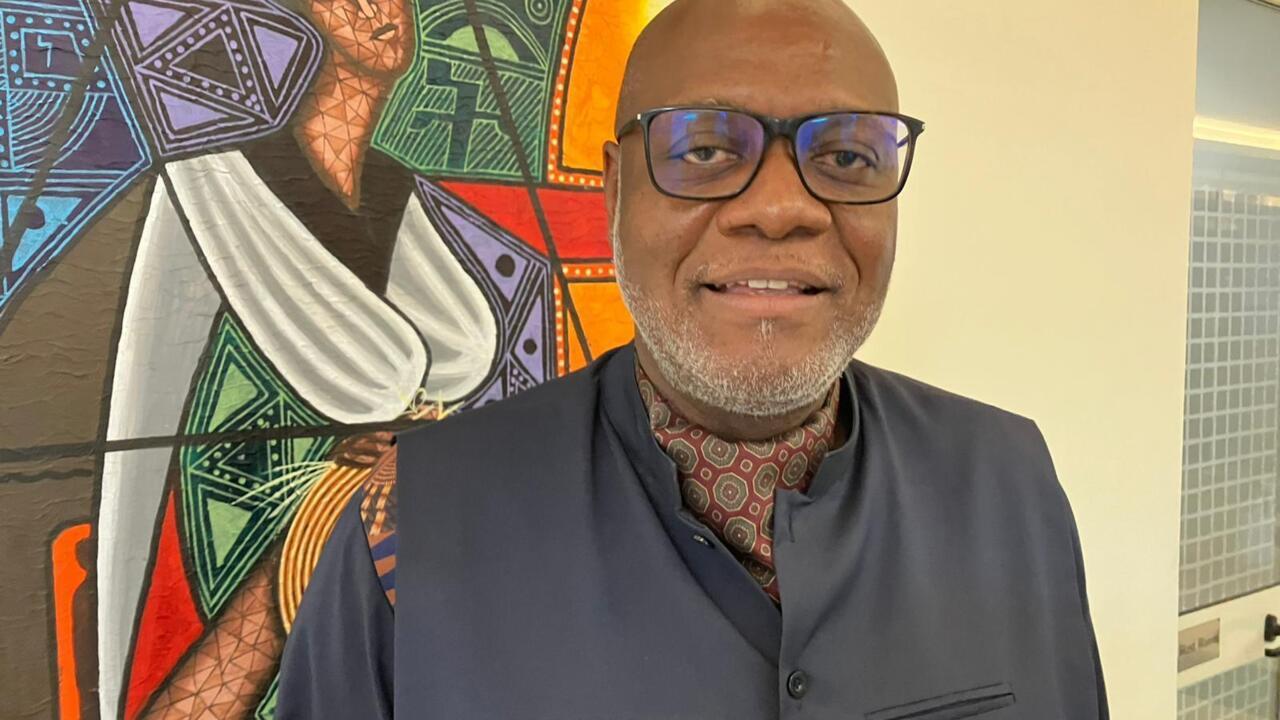

The 39th African Union summit concluded with a bold declaration: to silence the guns and end unconstitutional power transfers. But can this vision become reality? Cameroonian researcher Paul-Simon Handy, East Africa Regional Director of the Institute for Security Studies (ISS), recently returned from Addis Ababa, where he shared his insights as a guest on Afrique Midi.
a call to end unconstitutional power transfers
During the latest African Union summit, leaders pledged to end unconstitutional changes of government and prioritize peace over conflict. Yet, the critical question remains: how enforceable are these commitments?
Paul-Simon Handy, a leading security analyst and Regional Director for East Africa at the Institute for Security Studies (ISS), raised serious concerns during his appearance on Afrique Midi. He argued that allowing leaders who seized power through coups to later win elections through democratic processes undermines the very principles of democracy.
the hypocrisy of democratic elections for coup leaders
Handy emphasized that while elections are often hailed as the cornerstone of democracy, they lose their legitimacy when used as a tool for legitimizing unconstitutional takeovers. He stated, “It is unacceptable for leaders who orchestrated coups to later be elected democratically.” This stance challenges the international community’s approach to dealing with post-coup governments in Africa.
regional stability at stake
The debate over how to handle transitions of power has intensified across the Sahel and beyond. Handy pointed out that allowing such elections only fuels instability, as it sends a message that constitutional order can be disregarded without consequences. Instead, he advocates for a firm stance against any form of unconstitutional regime change, stressing that regional organizations like the African Union must hold member states accountable.
what’s next for the african union?
The African Union’s latest declaration reflects growing frustration with persistent political instability in several member states. However, Handy questioned whether the union’s words will translate into action. He called for stronger enforcement mechanisms and a unified stance to prevent future coups and ensure that democratic processes are respected.
As the continent continues to grapple with governance challenges, Handy’s insights highlight the urgent need for both regional and international cooperation to safeguard democracy in Africa.