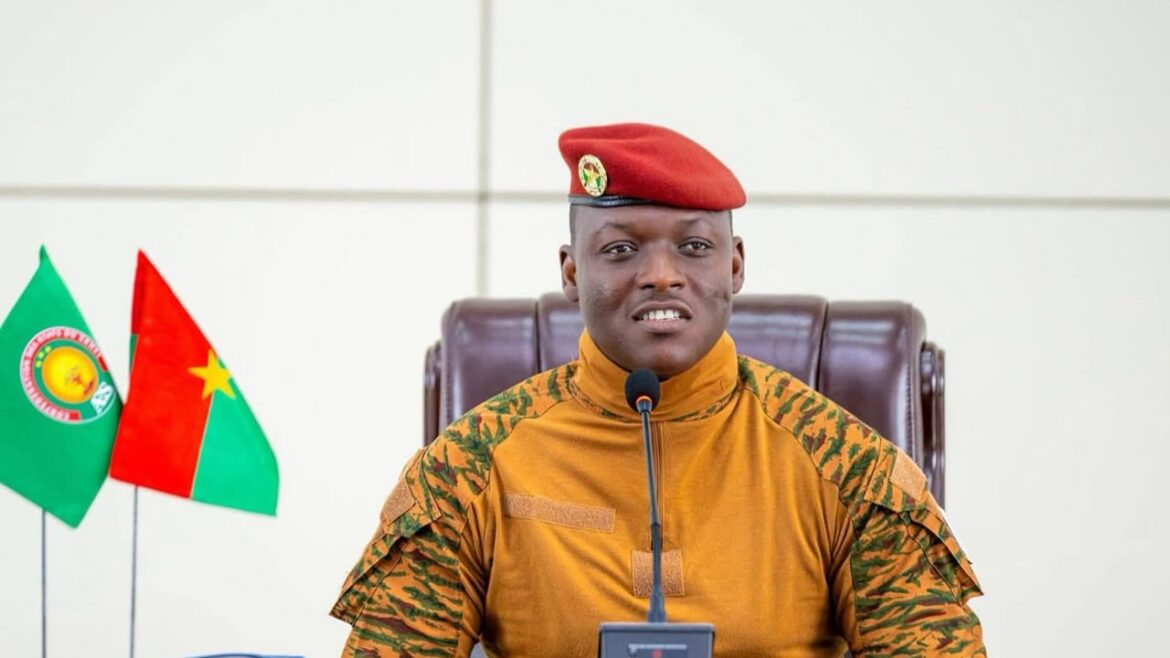

Behind Ibrahim Traoré’s recent high-profile speech in Bobo-Dioulasso lies a strategic pivot that has quietly yet profoundly aligned Burkina Faso’s military leadership with Marine Le Pen’s far-right sovereignty narrative. The uncommon resonance between a Sahelian head of state and a French opposition figure is not a mere coincidence but the result of deeper geopolitical shifts unfolding across West Africa. While observers debate the implications, the convergence reveals how anti-colonial rhetoric is reshaping regional alliances.
From political isolation to shared sovereignty rhetoric
When Ibrahim Traoré took power in Burkina Faso in 2022, he positioned himself as a crusader against foreign interference. His administration’s pivot toward the Alliance of Sahel States marked a decisive break from traditional African partnerships, opting instead for closer ties with neighbors sharing a similar vision. Meanwhile, Marine Le Pen’s National Rally has long championed France’s withdrawal from international military operations and a rejection of EU overreach.
What connects these two trajectories? Both leaders frame sovereignty as an absolute priority—but with contrasting motivations. Traoré’s stance stems from decades of post-colonial grievances and the perceived failure of Western-backed security models. Le Pen, on the other hand, leverages sovereignty as a nationalist rallying cry, tapping into voter discontent over immigration and globalization. Yet, despite their different roots, their discourse now echoes in unison.
Who benefits from this alignment?
For Traoré, the rhetorical alliance with Le Pen serves multiple purposes:
- Legitimacy at home: By aligning with a global figure like Le Pen, Traoré reinforces his image as a leader defying Western dominance—a narrative already popular among Burkina Faso’s youth.
- Diplomatic leverage: The perceived bond with European populist movements pressures traditional allies like France to reconsider their stance on sanctions and military cooperation.
- Ideological alignment: Both leaders reject neoliberal economic models, positioning themselves as defenders of national self-determination.
For Le Pen, the connection offers a fresh angle in her campaign against President Macron’s foreign policy. By endorsing Traoré’s sovereignty-first approach, she gains a high-profile African ally, amplifying her critique of France’s post-colonial entanglements.
The unspoken costs of sovereignty-first politics
While the alignment captures headlines, its consequences are already visible. Burkina Faso has seen:
- Reduced French troop presence, replaced by Russian Wagner Group contractors—a shift Traoré frames as “restoring peace.”
- Closer ties with Mali and Niger, both governed by military regimes that share Traoré’s anti-Western rhetoric.
- Trade restrictions from neighboring countries wary of the Alliance of Sahel States’ growing assertiveness.
Critics warn that sovereignty-focused policies may isolate Burkina Faso economically. The European Union, a key donor, has already signaled reduced aid under such governance models. Meanwhile, Traoré’s government risks alienating regional partners who fear a domino effect of military coups under the banner of anti-imperialism.
What’s next for Traoré and Le Pen’s burgeoning partnership?
The alliance remains in its early stages, but its trajectory suggests several potential outcomes:
- Strengthened populist networks: Both leaders could deepen collaboration through joint statements or symbolic visits, creating a transnational bloc of anti-establishment figures.
- Economic realignment: If Burkina Faso pivots away from the West, new trade deals with Russia, Turkey, or China may emerge—but at what cost to Burkinabè citizens?
- Geopolitical fragmentation: The ripple effects could extend beyond Burkina Faso, influencing elections in Senegal or Côte d’Ivoire where sovereignty debates are gaining traction.
One thing is certain: the Traoré-Le Pen convergence is not just a passing headline. It reflects a broader reckoning with post-colonial power structures—and the rise of a new generation of leaders who see sovereignty as non-negotiable.
Can this partnership survive scrutiny?
Sovereignty, when wielded as a political tool, often brushes aside nuances. Traoré’s military government faces growing unrest, while Le Pen’s National Rally struggles to win over centrist voters. Their shared rhetoric may burn bright, but whether it can translate into lasting change remains uncertain.
The question now is whether Burkina Faso’s citizens—and France’s electorate—will accept the trade-offs of a sovereignty-at-all-costs approach. The answer could redefine the Sahel’s political landscape for decades.