The backdrop: why Shenzhen became the stage for a diplomatic showdown
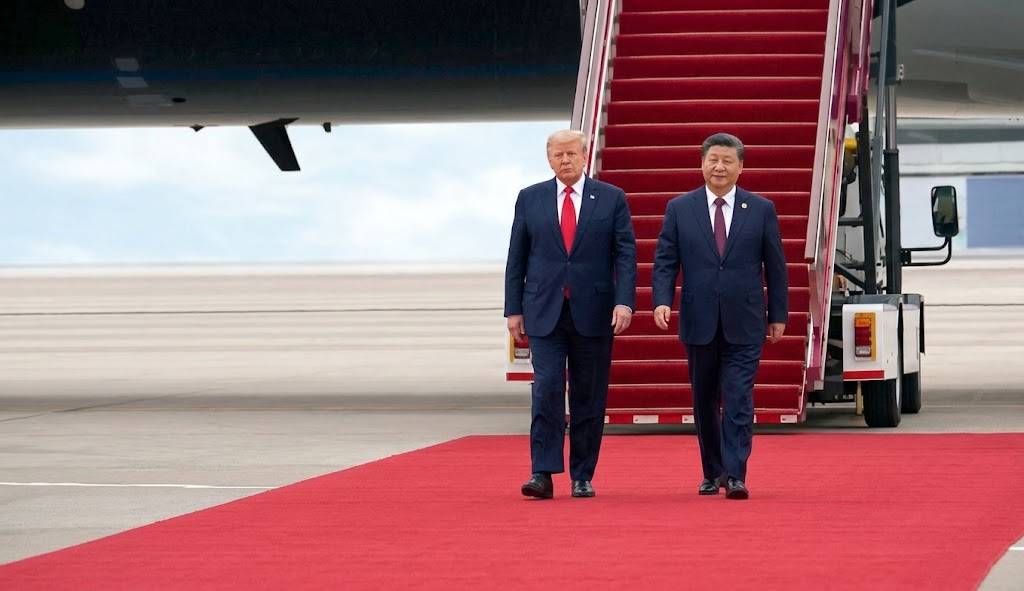
Shenzhen, China — November 18, 2026. The arrival of Air Force One on Chinese soil marked more than just another stop on the APEC summit circuit. It signaled the onset of a once-unthinkable diplomatic gambit: a closed-door trilateral meeting between Donald Trump, Xi Jinping, and Vladimir Putin. Unlike bilateral handshakes or routine summits, this gathering carried the weight of three of the world’s most significant geopolitical actors sharing a single agenda for the first time.
The invisible forces shaping the summit’s agenda
What converged in Shenzhen wasn’t just three leaders — it was three strategic visions locked in a delicate dance of convergence and contention. Behind the scenes, months of quiet negotiations unfolded, driven by a shared — yet distinctly different — sense of urgency.
For the United States, the meeting represented a pivot away from isolationist rhetoric toward active engagement with two of its most formidable rivals. The administration’s focus? Safeguarding American technological and military superiority while preventing further erosion of global influence.
China, meanwhile, seized the moment to reassert its diplomatic centrality. By hosting both Trump and Putin, Xi Jinping signaled that Beijing is no longer content to remain a secondary player in superpower negotiations. It’s staking a claim to shape the rules of a new international order — one where economic leverage and technological innovation take precedence.
Russia, isolated on the world stage by Western sanctions and marred by war, saw in this trilateral the chance to re-enter global dialogue on its own terms. For Putin, the meeting was less about cooperation and more about leverage — using the presence of Trump and Xi to counterbalance Western pressure and normalize Russia’s role in post-war reconstruction discussions.
Nuclear negotiations, Middle East tensions, and the Ukraine paradox
The nuclear shadow over Shenzhen
No other dossier loomed larger than nuclear proliferation. With all three nations possessing vast arsenals, a conversation about disarmament — even a symbolic one — carries global implications. Reports indicate Trump proposed a structured dialogue on reducing global nuclear stockpiles, framed as a step toward preventing new arms races in Asia and Europe. But the same report suggests Xi quietly insisted on linking any talks to US concessions on semiconductor export controls — a classic case of diplomacy as quid pro quo.
Iran and Ukraine: two conflicts, one fragile balance
The Middle East remains a powder keg, and Iran sits at its center. While neither Washington nor Beijing nor Moscow has openly supported Tehran’s recent actions, their approaches diverge sharply:
- United States: urges de-escalation, supports regional stability through diplomatic channels.
- China: maintains economic ties with Iran but avoids direct military involvement; emphasizes dialogue over confrontation.
- Russia: uses Iran as a proxy tool in its conflict with the West, leveraging influence in Damascus and Baghdad.
The Ukraine war presents an even thornier challenge. Russia demands recognition of its territorial gains; the US seeks a negotiated settlement; China, though not a direct participant, plays both sides — condemning sanctions while advocating peace talks. The paradox? All three leaders claim to support a diplomatic solution — yet none are willing to compromise on core demands.
Trade, tech, and the silent economic war
The halls of power in Shenzhen echoed with quiet conversations about semiconductors, artificial intelligence, and rare earth minerals. The US seeks to curb China’s technological rise; China resists export bans; Russia, rich in raw materials, offers an alternative supply chain to both. Behind closed doors, whispers circulated about potential trade-offs — relaxed tech restrictions in exchange for cooperation on nuclear oversight. But with no written agreements yet signed, observers remain skeptical.
Is a new world order being written in Shenzhen?
The comparison to Yalta 1945 is tempting — three titans shaping the post-war world. Yet the parallels end there. The 21st-century landscape lacks the ideological clarity and shared vision of the Allied Powers. Today’s leaders are driven by pragmatism, economic interdependence, and mutual distrust.
What is being tested in Shenzhen isn’t the redrawing of maps or the partitioning of spheres of influence. It’s the possibility of managing rivalry without descending into open conflict. Can these three powers — each with veto power over global stability — agree on rules that prevent escalation while preserving their own interests?
The answer may not lie in grand treaties, but in cautious, incremental steps: a nuclear confidence-building measure here, a temporary trade truce there, a shared statement on non-proliferation elsewhere. The summit’s success isn’t measured in headlines, but in ceasefires, reduced tariffs, and avoided crises.
What happens next? The ripple effects across continents
The world is watching, and waiting. Europe frets over energy security and military threats. The Global South — Africa, Latin America, Southeast Asia — wonders if their voices will be heard in a system increasingly dictated by Washington, Beijing, and Moscow. Even neutral Switzerland finds itself recalibrating its neutrality policy in anticipation of fallout.
Diplomatic analysts suggest that the true impact of Shenzhen may unfold not in the coming days, but in the coming years. A failed summit could precipitate a new arms race; a fragile agreement might prevent escalation in Ukraine and the Taiwan Strait. The stakes couldn’t be higher.
As the sun sets over Shenzhen’s skyline, one truth becomes clear: this meeting wasn’t just about three men in a room. It was about the future of billions — of markets, of supply chains, of lives caught between the decisions of superpowers.
The question now is whether those decisions will be guided by calculation or chaos.