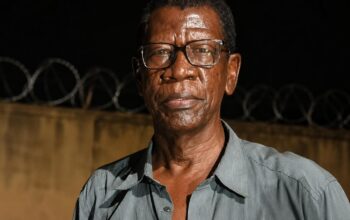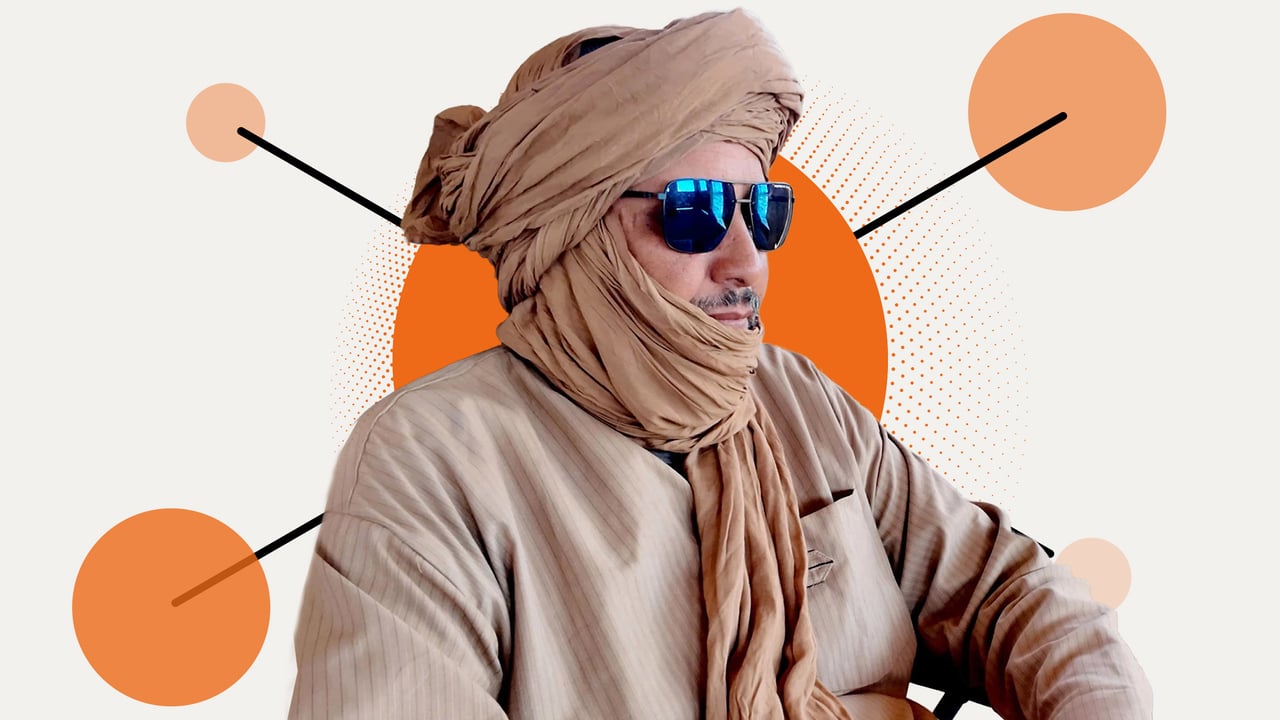

The strategic northern Malian city of Kidal is now firmly under the control of Alghabass Ag Intalla, a prominent figure whose ascent marks a significant shift in the region’s complex dynamics. Understanding the core of his influence requires a close examination of the diverse individuals who comprise his immediate circle, a blend of hardened fighters, seasoned former military personnel, and influential Tuareg notables.
This intricate network underpins Ag Intalla’s authority, shaping the current political landscape and security situation in this crucial part of West Africa. His leadership in Kidal is a focal point for those monitoring Sahel Express news and Sahel breaking news, as developments here often reverberate across Mali, Niger, and Burkina Faso.
The pillars of power: a diverse coalition
Alghabass Ag Intalla’s inner sanctum is a testament to the fluid alliances and historical grievances that define the Sahel. It is a calculated mix designed to consolidate power and maintain stability, albeit with inherent tensions.
- Jihadist elements: While Ag Intalla’s primary affiliation is not with extremist groups, certain individuals within his orbit have historical or tactical ties to jihadist factions. This includes figures who have previously operated alongside or maintained links with groups such as the Groupe de soutien à l’islam et aux musulmans (Jnim), a major player in the broader Sahel conflict. The presence of such individuals complicates the regional security outlook and is a constant subject of discussion in Mali Niger Burkina news English reports.
- Former military commanders: A critical component of Ag Intalla’s strength comes from ex-military officers and experienced combatants who bring tactical expertise and command structures. These individuals often possess deep knowledge of the terrain and local populations, honed through years of conflict and various allegiances. Their integration provides a backbone of military capability to his nascent administration in Kidal.
- Tuareg notables: Beyond military might, the legitimacy of Ag Intalla’s rule is bolstered by the support of respected Tuareg elders and community leaders. These notables wield significant moral authority and tribal influence, essential for securing the loyalty of the local population and navigating the intricate social fabric of Kidal. Figures like Bilal Ag Acherif, a significant Tuareg political leader, represent the broader ethnic and political interests that Ag Intalla must balance.
Navigating regional complexities
Ag Intalla’s rise in Kidal is not isolated; it is inextricably linked to the broader geopolitical currents affecting the West Africa Sahel. His interactions, or lack thereof, with other key figures like Iyad Ag Ghaly, the leader of Jnim, and even Mali’s interim president Assimi Goïta, are under constant scrutiny. The delicate balance he maintains with these powerful actors will determine the long-term stability of Kidal and its role in Sahel politics today.
The composition of his inner circle reflects a pragmatic approach to governance in a volatile region, blending traditional authority with military strength and, at times, controversial alliances. As Kidal charts its new course under Alghabass Ag Intalla, the influence of these key individuals will be paramount in shaping its future and impacting the wider Sahelian security landscape.