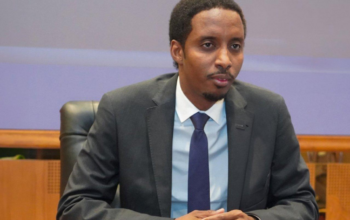
During a significant visit to Diourbel, located in central Sénégal, Minister Moussa Balla Fofana brought renewed attention to a persistent issue that has challenged public policy for decades: the mendicancy of talibé children. The government official characterized this situation as one of the most sensitive subjects within Senegalese society, indicating the executive’s firm intention to tackle a matter at the intersection of social welfare, religious tradition, and state responsibility. This development is significant for those following West Africa Sahel news and Sahel politics today.
diourbel: a symbolic epicenter for the talibé debate
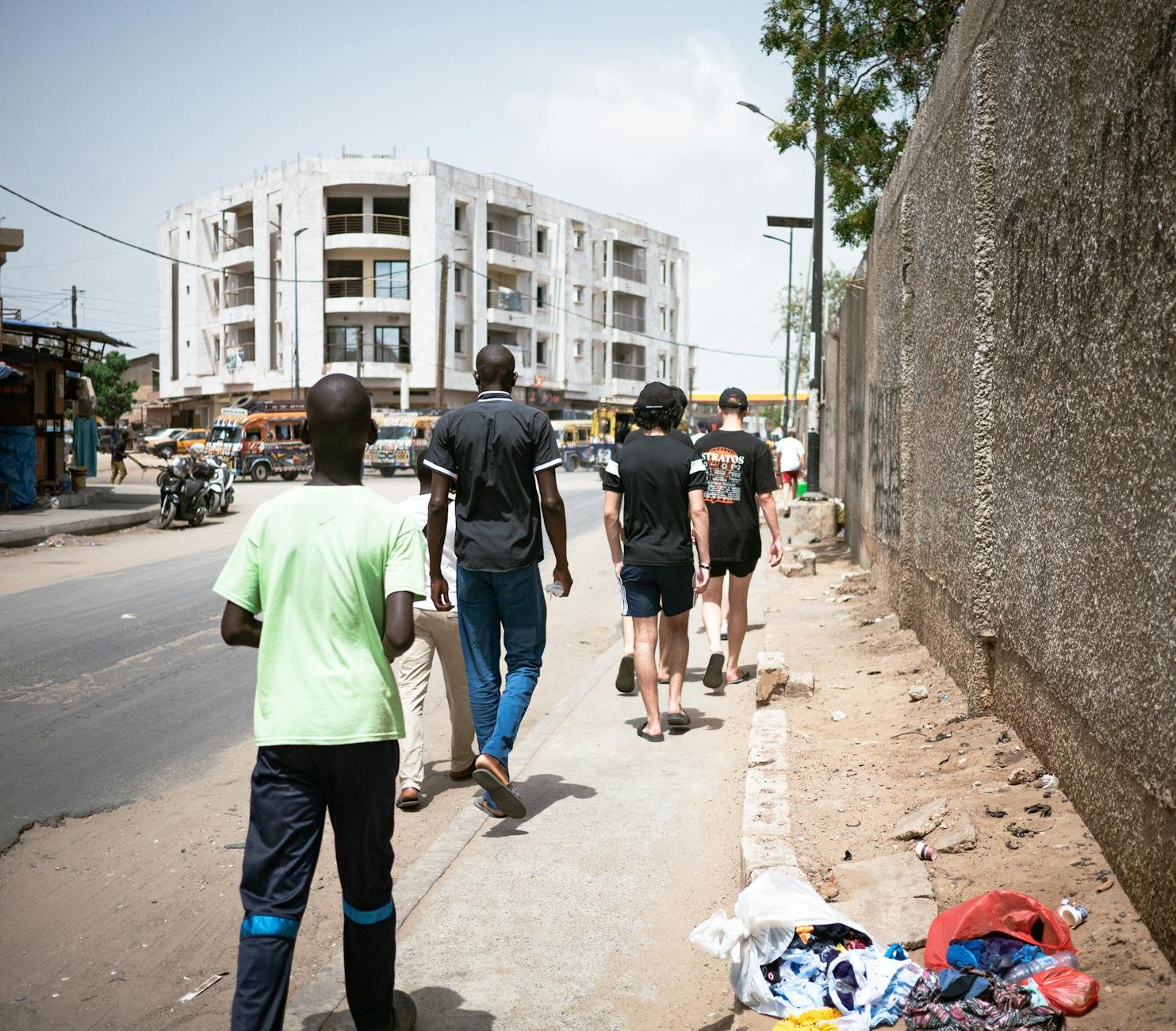
The selection of Diourbel for this discussion is far from arbitrary. This region, adjacent to Touba and central to the Mouride brotherhood’s influence, hosts a substantial number of daaras—traditional Quranic schools—which educate thousands of children from across the nation and the broader sub-region. It is precisely within this intricate religious and educational framework that the phenomenon of children being sent into the streets to beg for daily alms, often under the guise of religious instruction, is deeply rooted.
By acknowledging the profound sensitivity of the topic, Moussa Balla Fofana underscores a delicate balance. Any public discourse concerning talibés inevitably navigates the respect owed to religious brotherhoods, the social standing of Quranic teachers, and the state’s imperative to safeguard minors vulnerable to street life, accidents, and various forms of exploitation. In the past, Senegalese authorities have frequently announced initiatives to remove children from public thoroughfares, yet these efforts have struggled to bring about lasting change in the practice.
a challenge at the crossroads of social issues and state governance
The Minister emphasized the inherent structural nature of this problem. Underlying child mendicancy are complex issues such as rural poverty, internal migration patterns, the governance of Quranic institutions, and comprehensive child protection. The modernization of daaras, a commitment made by successive governments since the early 2000s, remains an unfinished project. While legal frameworks exist, including the child protection code and penal provisions against exploiting others for begging, their enforcement often hinges on local power dynamics.
For the new administration, which emerged from the 2024 political transition, this issue represents a crucial political test. The government led by Bassirou Diomaye Faye has prioritized social upliftment, pledging to reinvest in youth, education, and family dignity. Directly addressing talibé mendicancy means confronting a societal equilibrium that few previous governments have dared to disrupt. Child rights advocates consistently raise alarms about living conditions in some urban daaras, where overcrowding, violence, and inadequate healthcare provision have been documented in numerous NGO reports over recent years, a concern resonating across the Sahel.
anticipated public responses in the short term
The Minister’s address, delivered to local stakeholders, suggests that strategic decisions are actively being formulated. Government plans traditionally hinge on three key approaches: the modernization and regulation of daaras, enhanced state oversight of child movements away from their families, and socio-economic support for the most vulnerable households, which often serve as the primary source for talibé recruitment. The efficacy of any public policy in this domain will depend on the government’s ability to engage in constructive dialogue with religious authorities, particularly those in Touba, Tivaouane, and Médina Baye, without disrupting vital lines of communication.
The question of resources remains paramount. Providing safe havens for street children, ensuring their schooling, and potentially covering food costs in reformed daaras necessitate a sustained budget and a robust inter-ministerial framework involving Education, Family Affairs, Interior, and Justice. Without centralized coordination, ad hoc operations to remove children from the streets, previously attempted in Dakar, have consistently seen children return within weeks.
Minister Moussa Balla Fofana’s visit to Diourbel signifies, at minimum, a clear intention to ground this critical debate within the affected communities rather than confining it to ministerial offices in the capital. The challenge now lies in transforming this public statement into an actionable roadmap, eagerly awaited by child protection organizations and families alike. This initiative is a vital piece of Sahel breaking news, demonstrating the government’s commitment to tackling deep-seated social issues in Sénégal.