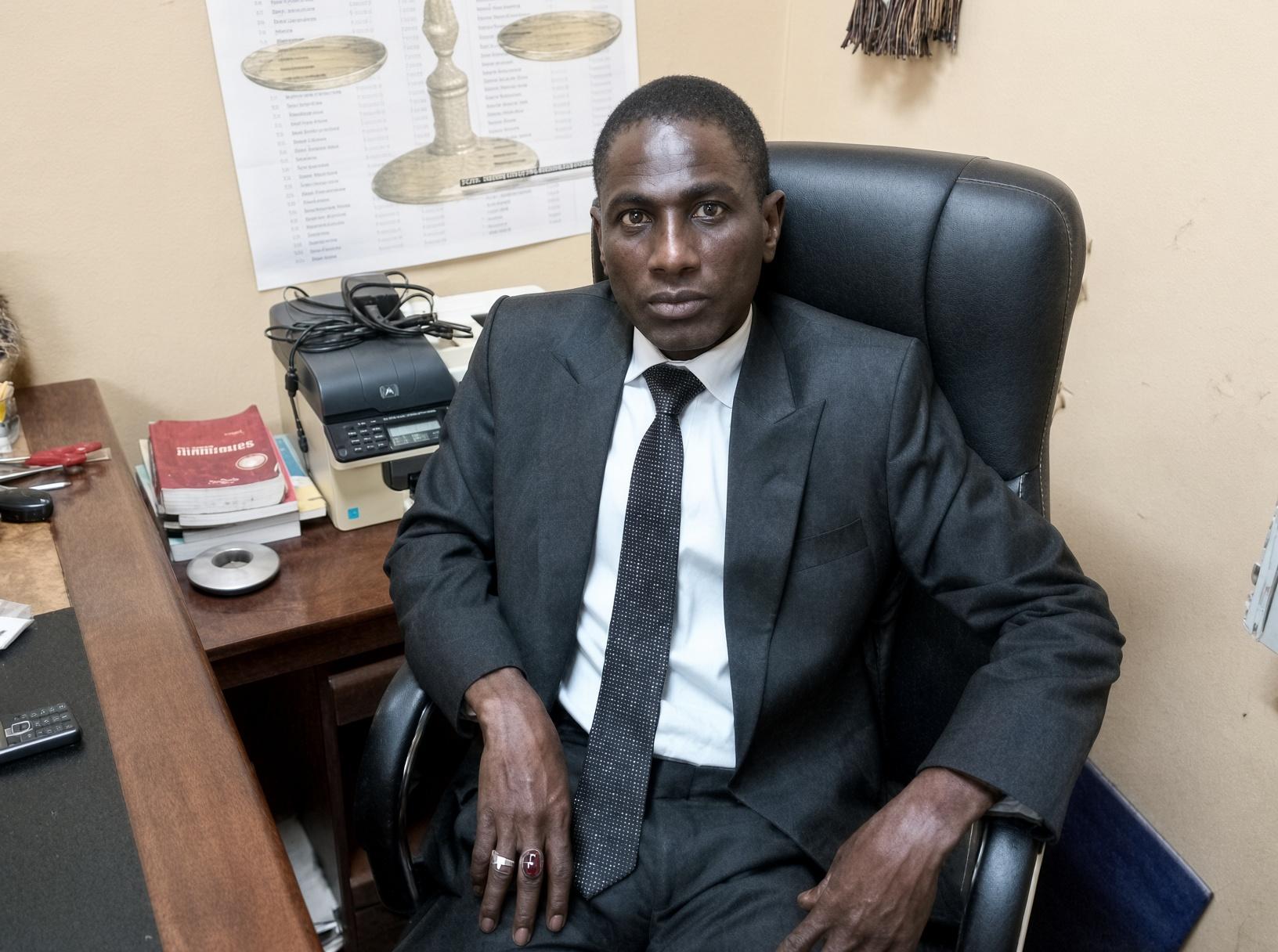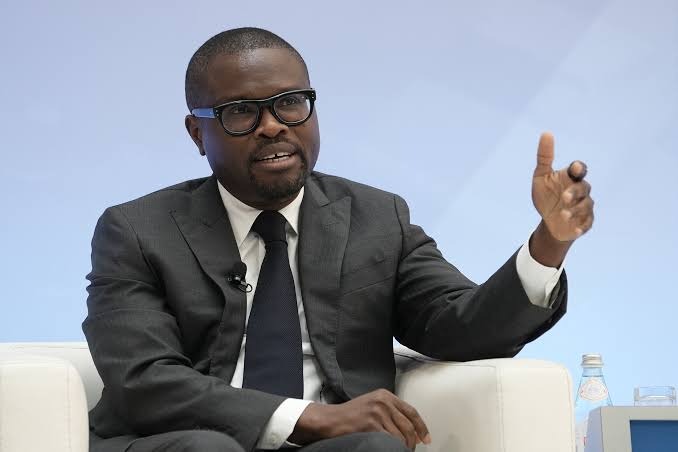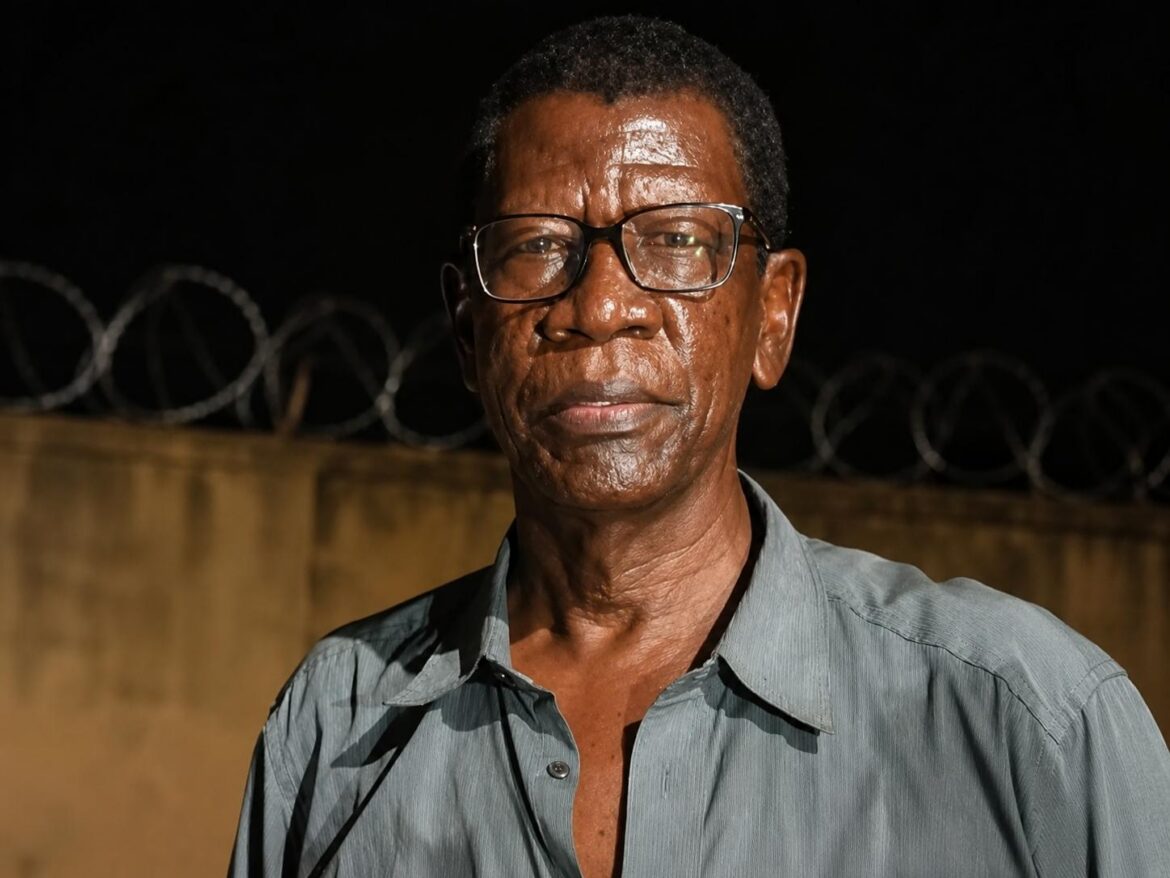
The disappearance and detention of Moussa Kaka, a renowned Nigerien journalist and longtime correspondent, has exposed the deepening cracks in the nation’s press freedom. For thirty days, authorities have held him incommunicado—without charges, without public justification, and with no end in sight. This prolonged silence is not merely an absence of information; it is a calculated strategy, and Niger’s media landscape is feeling the fallout.
An official silence that speaks volumes
The circumstances surrounding Moussa Kaka’s arrest remain shrouded in mystery. Publicly, there is no formal accusation, no court order, and no statement from judicial or military authorities explaining why a journalist known for decades of credible reporting has been removed from the public sphere with such force. This lack of transparency is not accidental—it is a tactic designed to obscure the motives behind his detention and to erode public trust in the rule of law.
For his colleagues and family, the message is clear: the state is tightening its grip on independent journalism, using silence as a weapon. There are no updates on his condition, no access to legal counsel, and no timeline for resolution. This sustained opacity is a hallmark of modern authoritarianism, where detention without due process becomes a tool to suppress dissent and control the narrative.
The Sahel’s shrinking space for truth
Moussa Kaka’s case is not an isolated incident—it is part of a broader pattern sweeping across the Sahel. Since military-led governments assumed power in countries like Niger, Burkina Faso, and Mali, journalists have faced increasing hostility: revoked accreditations, suspended broadcasts, and physical threats. Figures like Samira Sabou, a vocal blogger, and Soumana Idrissa Maïga, a newspaper editor, have been systematically targeted for their reporting. These cases reveal a coordinated effort to dismantle the last vestiges of free press in the region.
The implications are grave. When journalists cannot operate without fear, the public loses access to critical information about governance, security, and human rights abuses. The arrest of Moussa Kaka sends a chilling message: in today’s Niger, questioning authority—even through professional journalism—can lead to disappearance. The silence surrounding his detention is not just about one man; it is about the future of accountability in the Sahel.
What’s driving this escalation?
The crackdown on journalists is not arbitrary. It reflects deeper political and institutional shifts. Since the 2023 coup, Niger’s military leadership has prioritized control over transparency, framing independent reporting as a threat to national stability. The absence of charges against Moussa Kaka underlines a dangerous precedent: the state reserves the right to detain citizens indefinitely without justification. This erodes public trust and creates a climate of fear where self-censorship becomes the norm.
Civil society groups and international observers warn that such tactics will only deepen the crisis. Without press freedom, democracy cannot function. The prolonged detention of Moussa Kaka is a stark reminder that in Niger, the right to know is under siege—and the consequences will be felt far beyond its borders.
As the world watches, one question remains unanswered: how far will the state go to silence the fourth estate? For the people of Niger, the answer could determine not just the fate of one journalist—but the soul of their nation.