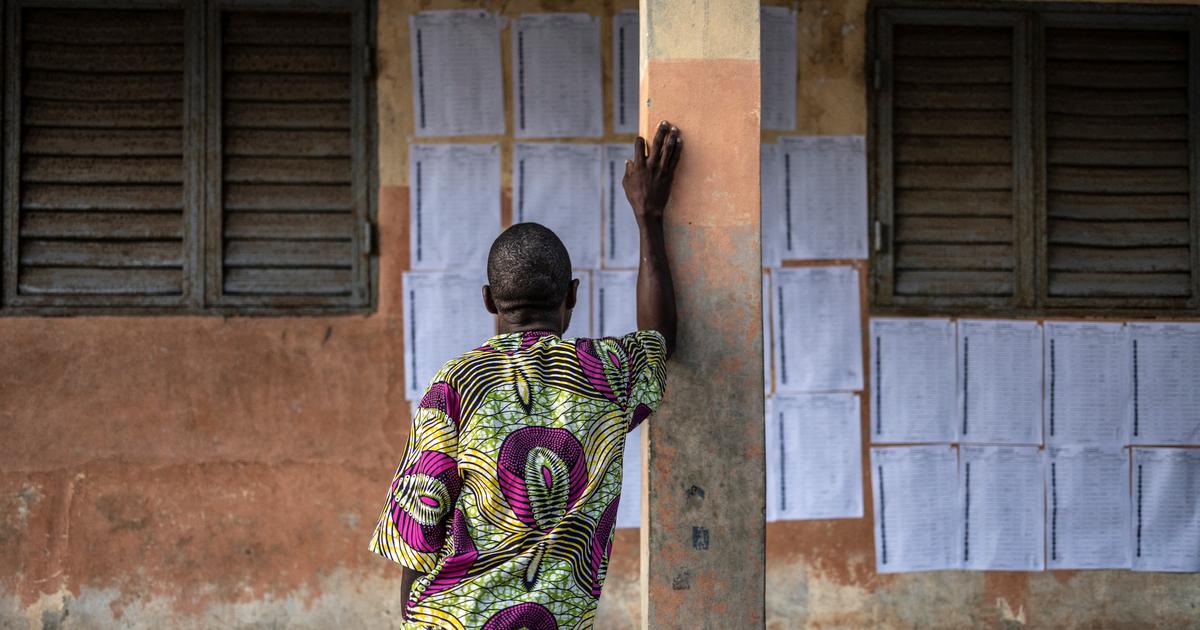
Predictable outcomes. Uncontested victories. Incumbent presidents securing first-round wins. These patterns defined Africa’s 2025 presidential elections, where opposition figures faced systematic exclusion before campaigns even began. Recent cases include Djibouti’s April 10 vote and Benin’s April 12 poll. In Djibouti, incumbent Ismaïl Omar Guelleh claimed 97.8% of ballots to secure a sixth term, while Benin’s Romuald Wadagni—handpicked successor to Patrice Talon—won 94% of votes. Such overwhelming margins tell a story of elections where real competition never materialized.
The price of political exclusion
In Djibouti, opposition leader Alexis Mohamed abandoned his candidacy after citing insurmountable barriers. Security concerns played a role, but the decisive factor was the staggering nomination fees—an obstacle so prohibitive that critics now describe the vote as “a ceremonial exercise.” The pattern extends across West Africa, where aspiring candidates routinely confront financial hurdles that dwarf typical campaign costs.
How fees silence dissent
Election rules in several countries impose fees that surpass local salaries, effectively pricing out all but the wealthiest contenders. For opposition activists, these costs become a de facto veto on democracy, transforming elections into exercises in elite consolidation rather than genuine choice. The phenomenon isn’t confined to Djibouti; similar fee structures have emerged in Benin and other regional polls, where the financial barrier often proves more decisive than the ballot box.
- Djibouti: Nomination fees reached amounts equivalent to years of average income, deterring all but the regime-aligned candidates.
- Benin: A combination of high fees and restrictive candidacy rules prevented credible opposition from mounting serious challenges.
- Regional trend: Across Francophone West Africa, candidates report fee schedules that exceed $50,000—far beyond the reach of grassroots politicians.
Critics argue these practices undermine electoral integrity, reducing contests to exercises in validating predetermined outcomes. With opposition voices systematically silenced by financial constraints, the integrity of the democratic process comes under scrutiny.