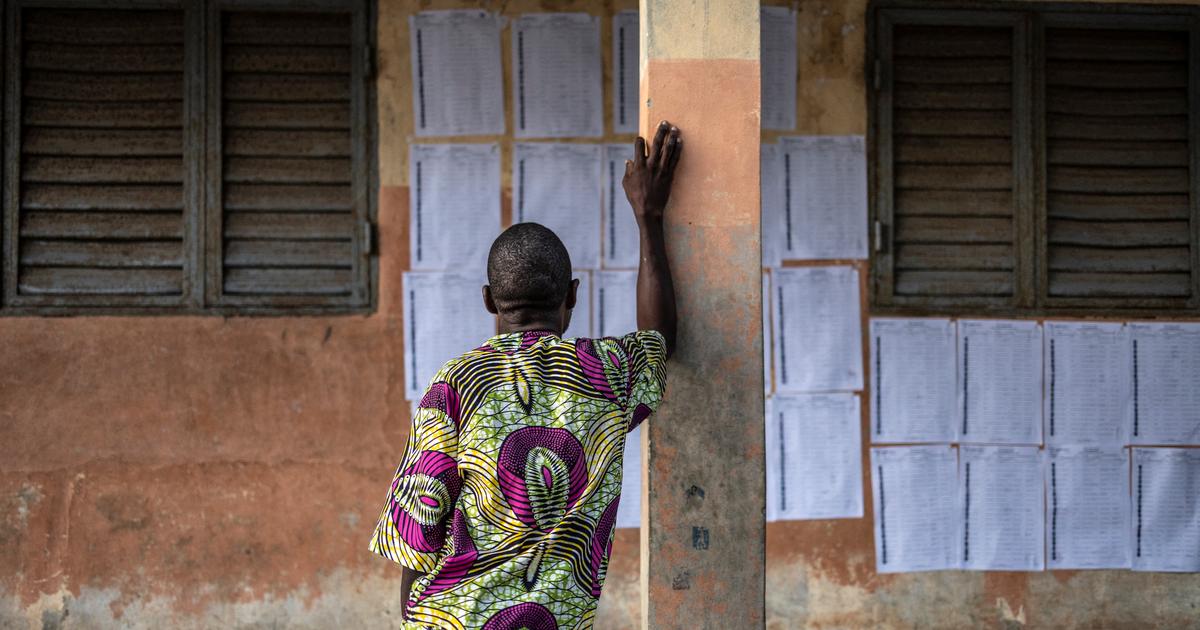
“Fixed outcomes,” “predictable contests,” and “incumbent triumphs in first rounds.” These phrases increasingly describe presidential elections across Africa in 2025. The worrying trend? Opposition candidates are being systematically sidelined before campaigns even begin. Recent polls in Djibouti on April 10 and Benin on April 12 exemplified this pattern, with incumbents securing landslide victories: Ismaïl Omar Guelleh won 97.8% in Djibouti, while Benin’s Romuald Wadagani claimed 94%—both in elections where real competition barely existed.
Financial barriers block democratic competition
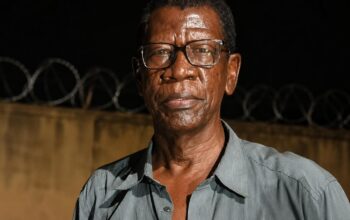
The primary obstacle facing opposition hopefuls isn’t political pressure alone—though that remains a factor—but the staggering nomination fees required to run. In Djibouti, prominent opposition figure Alexis Mohamed abandoned his candidacy after citing both safety concerns and an inability to meet these exorbitant costs. The British daily noted these fees had transformed the election into a “purely ceremonial exercise.”
This phenomenon isn’t isolated. Across the continent, candidates consistently face prohibitive financial requirements that effectively shut out challengers. The result? Voters are left with elections where outcomes are predetermined by financial muscle rather than popular will.
In Benin, where Romuald Wadagani’s victory was virtually assured before ballots were cast, analysts point to similar cost-related barriers. While the specifics differ, the pattern remains: when nomination fees become insurmountable, genuine political competition withers.
These developments raise serious questions about the health of democratic processes in Africa. When the price of participation exceeds reasonable limits, elections risk becoming exercises in legitimizing power rather than mechanisms for change.