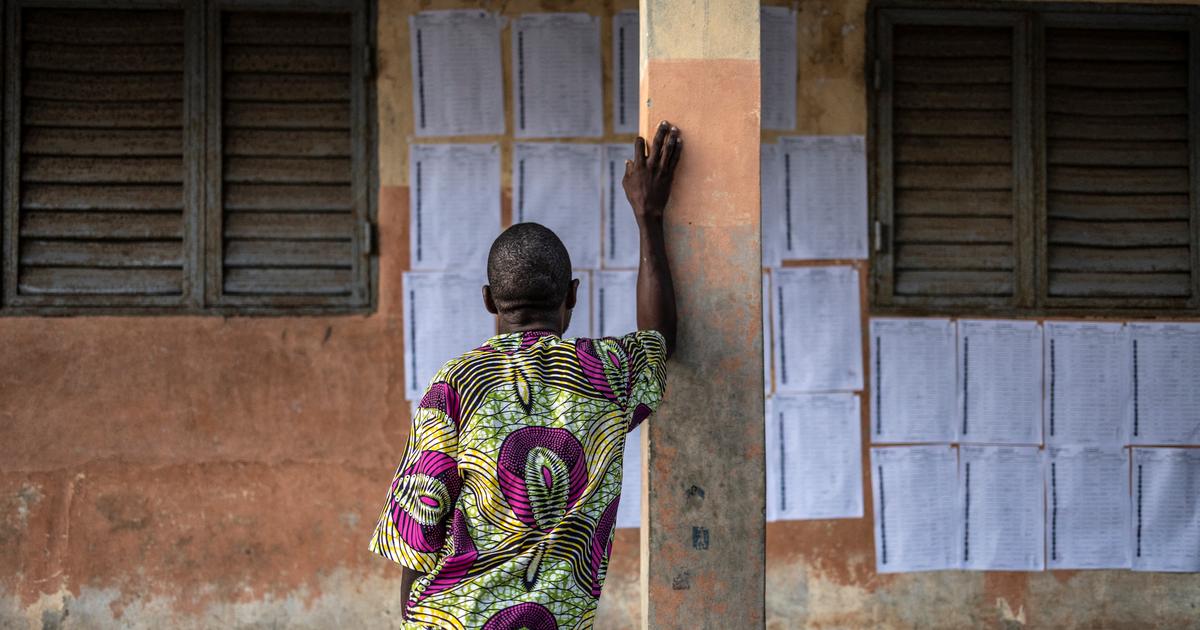
“Scripted victories”, “predictable outcomes”, “incumbent presidents winning outright”. The 2025 African presidential elections followed a disturbing trend: opposition candidates were systematically excluded before campaigns even began. Recent examples include Djibouti’s April 10 vote and Bénin’s April 12 election. In the former, incumbent President Ismaïl Omar Guelleh secured a sixth term with 97.8% of the vote. In Bénin, Romuald Wadagni—handpicked successor to Patrice Talon—claimed victory with 94% of ballots cast. Both races lacked genuine competition.
The purse decides the race
In Djibouti, aspiring opposition candidate Alexis Mohamed abandoned his bid after citing insurmountable hurdles. While he expressed concerns about personal safety, the most formidable barrier proved to be “prohibitive nomination fees”. Observers now describe such contests as “ceremonial exercises” where results are predetermined.
Across the continent, presidential hopefuls routinely face staggering campaign costs that dwarf average incomes. These financial barriers transform elections into contests where wealth—not policy—dictates eligibility. High filing fees, mandatory deposits and inflated compliance costs effectively price most challengers out of contention, leaving incumbents to face minimal opposition.
Critics argue this system perpetuates one-party dominance by systematically disadvantaging opposition forces. With nomination fees sometimes exceeding the GDP per capita of smaller nations, the deck is stacked against reform-minded candidates before a single vote is cast. The phenomenon is particularly acute in nations where economic disparities already limit political participation.
How exorbitant fees reshape African democracy
The impact extends beyond individual races. When opposition figures cannot meet financial requirements, elections lose their competitive edge, undermining public trust in the democratic process. International observers frequently note that ballot transparency rarely compensates for structural exclusion. Instead, high costs create a facade of legitimacy that masks underlying democratic deficits.
As African nations prepare for future electoral cycles, the question persists: Can democracies thrive when participation hinges on financial capacity rather than political vision? The mounting evidence suggests that without reform, elections may increasingly serve as rubber-stamp processes rather than genuine expressions of popular will.