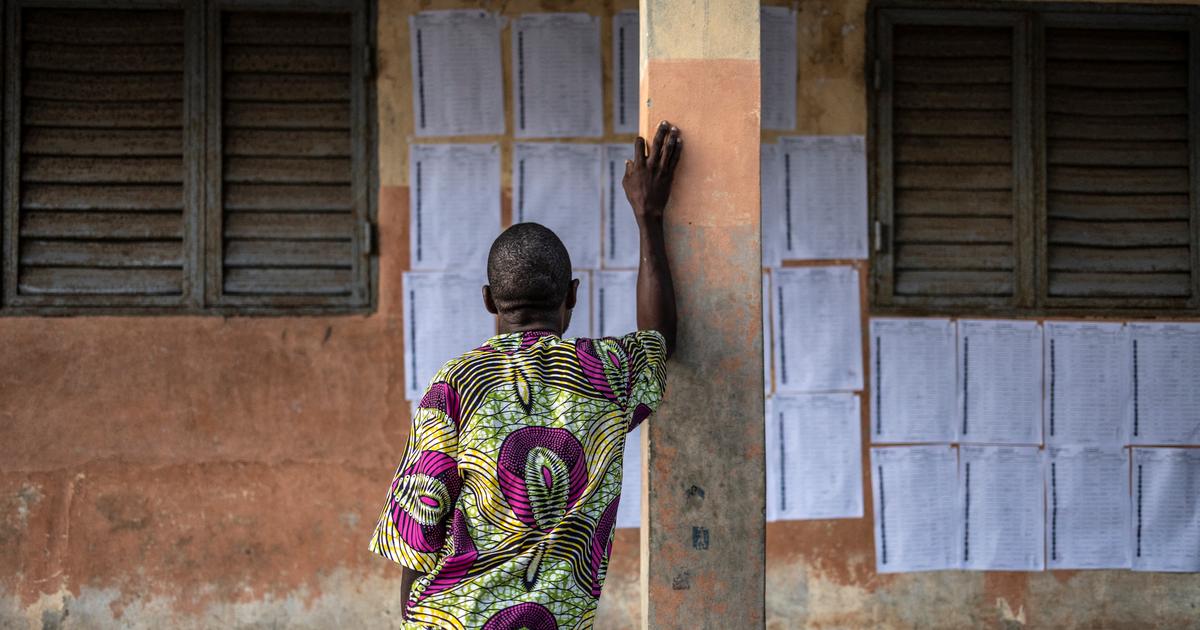
“Rigged from the start”, “no surprises”, “incumbent wins in first round”. The 2025 African presidential elections followed a disturbing pattern: opposition candidates were systematically sidelined before campaigning even began. The most recent examples came from Djibouti on April 10 and Benin on April 12. In the former, incumbent President Ismaïl Omar Guelleh secured a sixth term with 97.8% of the vote, while in the latter, Romuald Wadagni—handpicked successor to Patrice Talon—claimed victory with 94%. Such overwhelming margins in elections with no real competition.
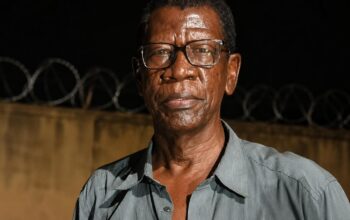
In Djibouti, opposition figure Alexis Mohamed withdrew from the race after facing insurmountable hurdles. While he cited safety concerns, the true barrier was financial: “nomination fees proved prohibitive.” Analysts described the vote as “a mere formality.”
The cost of democracy
Across Africa, candidates are increasingly priced out of elections long before ballots are cast. Exorbitant filing fees and campaign costs have become a systematic tool to silence dissent. In Benin, candidates for the April 12 poll needed to deposit staggering amounts—well beyond the reach of opposition figures. The result? A race without genuine challengers, where victory was predetermined by economic exclusion rather than popular support.
The pattern extends beyond these two nations. From Niger to Burkina Faso, aspiring leaders face similar financial barriers, often amounting to millions of local currency. These costs aren’t just high—they’re designed to be unattainable for all but the most well-connected candidates.
For many observers, these elections reveal a troubling truth: the most expensive part of African democracy isn’t campaigning—it’s paying to compete at all.