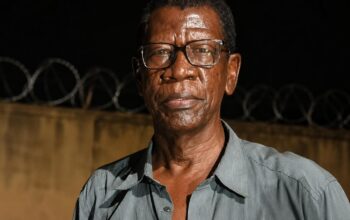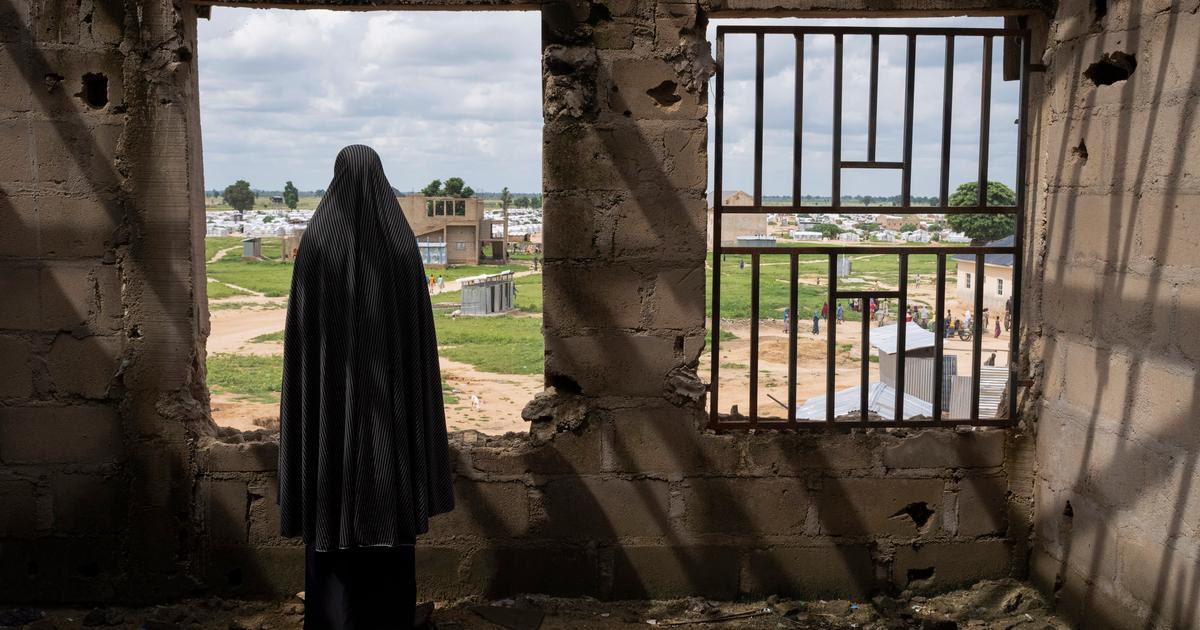

Aisha, Juliana, and Hauwa are three names attached to stories that are frequently overlooked. While mass kidnappings by the insurgent group Boko Haram often dominate Sahel breaking news, the individual voices of those who endure these ordeals often remain unheard. Their accounts provide a deep look into the lives of the invisible victims of the conflict in Nigeria.
On a Saturday evening in April 2014, Aisha was preparing a meal for her children in the village of Gamboru Ngala, located in Borno State. It was then that militants launched a violent raid on her community in northeastern Nigeria.
Aisha was unable to escape in time and was forced to witness the murder of her brother. Along with other women from her village, she was taken prisoner and transported to a remote camp. There, she was forced into a tent where a tall, bearded man identifying himself as a commander claimed her as his wife. For the duration of her captivity, she was subjected to repeated sexual assaults.
The stigma of being a “Boko Haram wife”
After two years of suffering, which included multiple forced marriages and three pregnancies resulting from rape, Aisha finally managed to flee during an offensive by the Nigeria military. Her story is a grim reflection of the Sahel politics today regarding the treatment of women in conflict zones.
Juliana’s escape came after two years of captivity, aided by an elderly woman. She was only 15 years old when she and her mother were abducted in Adamawa State. Before her life was upended, she had aspirations of finishing high school and attending university to become a computer engineer.
“Before she was taken, her heart was set on becoming a computer engineer after completing her education.”
Hauwa endured the longest period of captivity, spending ten years with the insurgents. During that decade, she was married off three times and gave birth to four children. Upon returning to her community, she found that the nightmare had not entirely ended. She felt “tainted” and faced severe social exclusion, often being derogatorily labeled a “Boko Haram wife.” Her children are frequently treated as outcasts, barred from socialising with others in the community.
The challenges of reintegration are a critical part of the West Africa Sahel narrative. Many former captives find themselves free from their kidnappers but rejected by their own people. Efforts are being made to address these issues through transitional justice, which aims to fight impunity for gender-based violence and help survivors manage their deep-seated trauma.
Even for those who have physically escaped, the psychological scars remain. Juliana expressed the lingering pain of her experience, noting that while people congratulate her on her freedom, a part of her remains trapped in the forest, haunted by the memory of the women who were left behind. For those following Sahel Express news, these testimonies serve as a stark reminder of the human cost of the ongoing instability in the region.