security crisis fuels Rwanda’s hidden ambitions in eastern Congo
The Democratic Republic of the Congo’s government recently announced a landmark agreement with the Rwandan-backed rebel group FDLR—Forces Démocratiques de Libération du Rwanda—to initiate disarmament, demobilization, and cantonment protocols. Yet Rwanda swiftly dismissed this initiative as a mere delay tactic, deepening tensions between the two nations over the long-standing FDLR issue. For decades, Kinshasa and Kigali have clashed over the FDLR’s presence in eastern Congo, with Rwanda accusing the group of playing a role in the 1994 genocide and justifying its military interventions alongside the M23 rebel coalition.
Last year’s Washington accords outlined mutual commitments: Rwanda pledged to withdraw its troops, while Congo vowed to neutralize the FDLR. Yet today’s stark contrast in implementation raises critical questions about the true intentions behind these agreements.
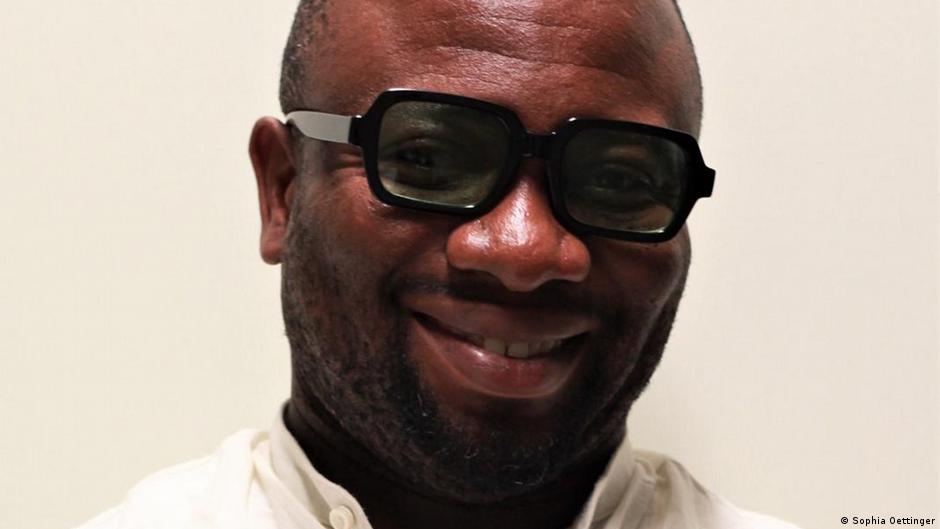
Insights from Josaphat Musamba, a PhD researcher at Ghent University in Belgium
Josaphat Musamba: “Kigali has consistently rejected diplomatic outreach efforts. The rejection of persuasion tactics suggests bad faith. What are Rwanda’s ultimate goals? Despite its military engagements, I believe the ongoing instability in eastern Congo benefits Kigali’s strategic ambitions. By destabilizing administrative structures in eastern Congo, Rwanda is strengthening its influence in the region.”
How should we interpret the continued FDLR presence in eastern Congo, and what lies beneath the surface?
Josaphat Musamba: “While Kigali and its allies, including the M23 rebels, claim the FDLR are integrated into Congo’s armed forces—an assertion without factual basis—it’s evident they lack the capacity to fully dismantle the group within their claimed zones of control. The persistent insecurity in eastern Congo appears to serve a broader geopolitical agenda for Kigali. By fragmenting Congo’s administrative entities, Rwanda is positioning itself for greater control over the region.”
Given Rwanda’s stance that the Kinshasa-FDLR protocol fails to meet Washington agreement requirements and fails to ensure the group’s dismantling, do you believe the FDLR will ever disappear to restore peace between the two nations?
Josaphat Musamba: “Rwanda’s argument lacks factual grounding. Congo has opted for dialogue rather than military confrontation with the FDLR, adapting its strategy to the context. Maintaining military pressure on Rwanda’s Defence Forces and the M23 is essential, but opening additional fronts against the FDLR isn’t feasible. Dialogue could persuade this group to lay down arms. While the FDLR as an armed faction may eventually fade, its ideological resistance against the Kigali regime could persist.”