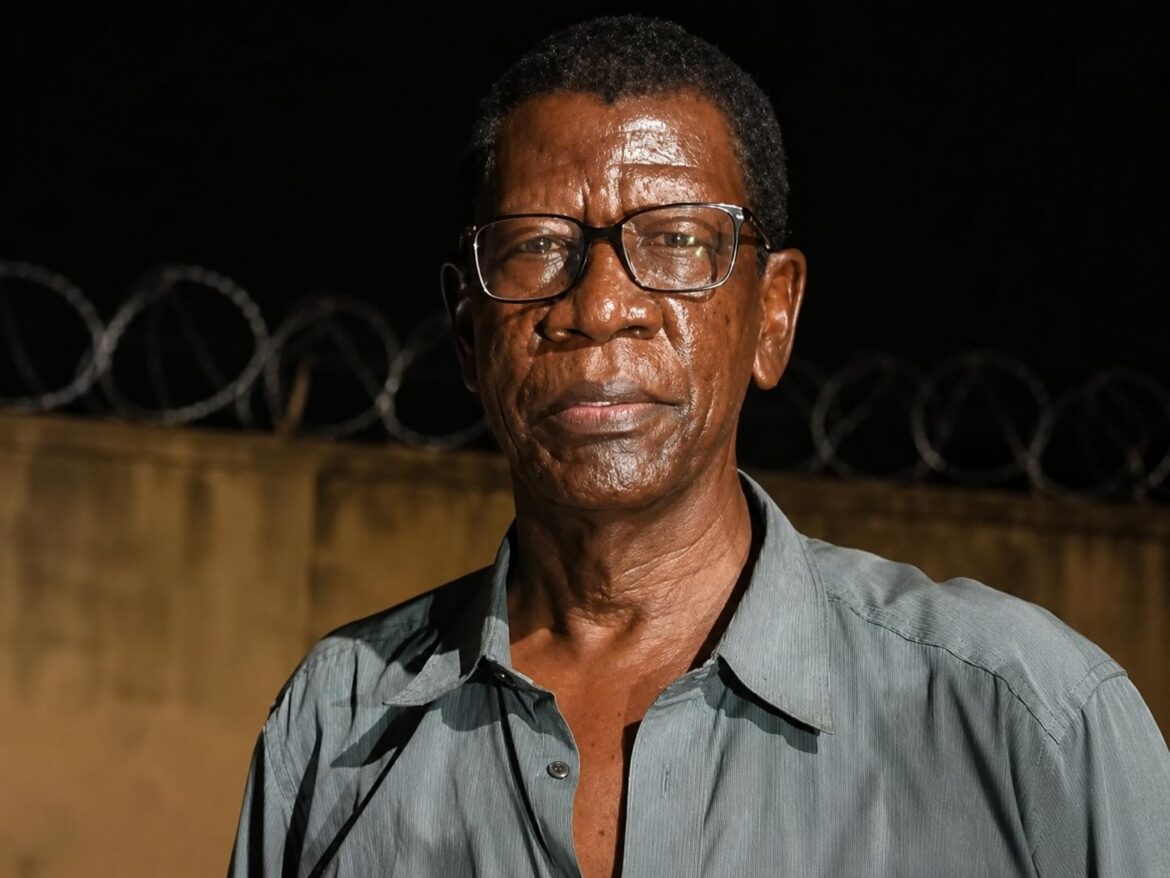
Behind the veil: uncovering the unspoken reasons for Moussa Kaka’s arrest
In the heart of Niamey, the capital of Niger, a shadow of uncertainty has fallen over one of the country’s most respected voices in journalism and human rights advocacy. Moussa Kaka, a seasoned reporter and prominent activist, vanished without explanation on a seemingly ordinary afternoon, leaving behind a trail of questions and growing alarm within the media community and beyond. The ensuing weeks of silence from authorities have done little to quell concerns, instead deepening fears that his detention is shrouded in motives the government is reluctant to reveal.
The turning point: when silence becomes an official stance
The disappearance of Moussa Kaka on August 31, 2026, sent shockwaves through the local press corps. After leaving his office in the midday hustle, he was never seen again, sparking widespread speculation about his fate. For days, his family, colleagues, and human rights organizations operated on the edge of desperation, faced with rumors of abduction or worse. The tension reached a breaking point when authorities, under mounting pressure from journalist unions, finally acknowledged his detention—confirming he was alive but offering no clarity on the circumstances or the charges against him.
The official confirmation: a double-edged sword
The government’s belated admission that Moussa Kaka was in state custody did little to ease the unease gripping the public. While it dispelled fears of foul play, it introduced a new set of concerns centered around the lack of transparency. The admission, delivered in cautious language, provided no insight into the legal basis for his detention, leaving the door wide open to interpretations as unsettling as the silence it replaced. For many, this marked a troubling precedent in Niger’s transition period—a moment where the state’s commitment to the rule of law appeared increasingly ambiguous.
Demands for justice: the fight for accountability and transparency
The silence surrounding Moussa Kaka’s detention has galvanized a coalition of journalists, civil society groups, and human rights defenders. Among the most vocal is the Journalists for Human Rights Organization (JDHO), which has issued a bold set of demands aimed at dismantling the veil of secrecy enveloping the case. The organization is not only calling for the immediate disclosure of the charges against Kaka but is also demanding tangible evidence to substantiate the government’s actions—a move they argue is fundamental to upholding Niger’s constitutional guarantees.
The JDHO’s manifesto for accountability includes:
- Public disclosure of the charges: The organization insists that the government must publicly state the grounds for Kaka’s arrest, stripping away the ambiguity that has fueled public distrust. « We need to know what they accuse him of, » a spokesperson for JDHO stated, emphasizing that secrecy cannot be a tool for justifying arbitrary detentions.
- Verification of detention conditions: Beyond confirming his location, advocates are demanding access to the facility where Kaka is held. This is seen as a critical step to assess the conditions of his detention and ensure they comply with international standards for humane treatment.
- Upholding the right to defense: Another cornerstone of the JDHO’s demands is the immediate initiation of a fair judicial process. This includes permitting Kaka to communicate freely with his legal representatives and family, a right that has been systematically denied since his arrest.
A chilling effect on press freedom in Niger
The detention of Moussa Kaka is far more than an isolated incident; it is a symptom of a broader crisis gripping Niger’s media landscape. Since the onset of the transitional government, independent journalism has come under intense scrutiny, with authorities justifying restrictions as necessary for national security. Yet, critics argue that these measures are increasingly being wielded to stifle dissent and silence critical voices. The case of Kaka has become a litmus test for the judiciary’s independence and the government’s willingness to respect democratic principles.
Reporters across Niger are now grappling with a stark reality: the space for critical inquiry is shrinking. The unanswered questions surrounding Kaka’s detention have become a symbol of this erosion, serving as a stark reminder of the fragility of press freedom in a country navigating a delicate political transition. For many, his case is not just about one journalist’s fate but about the future of free expression in Niger.
What’s at stake: the broader implications of an unanswered crisis
The unresolved detention of Moussa Kaka raises pressing questions about the direction of Niger’s democratic journey. At its core, this case challenges the government to either reaffirm its commitment to the rule of law or succumb to the temptations of authoritarianism. The international community, as well as domestic stakeholders, are closely watching, recognizing that the outcome will send a powerful message about Niger’s trajectory.
For the media community, the stakes could not be higher. The lack of transparency and the apparent disregard for due process in Kaka’s case send a chilling message to journalists across the country: speak out, and you may face the same fate. Yet, the response from civil society suggests that the fight for accountability is far from over. The demands for clarity, justice, and respect for human rights are growing louder, signaling a potential turning point in the struggle for transparency in Niger.
As the days pass without resolution, the silence from Niamey only amplifies the gravity of the situation. The world is watching—waiting to see whether Niger will choose the path of openness and justice or surrender to the shadows of secrecy and repression.