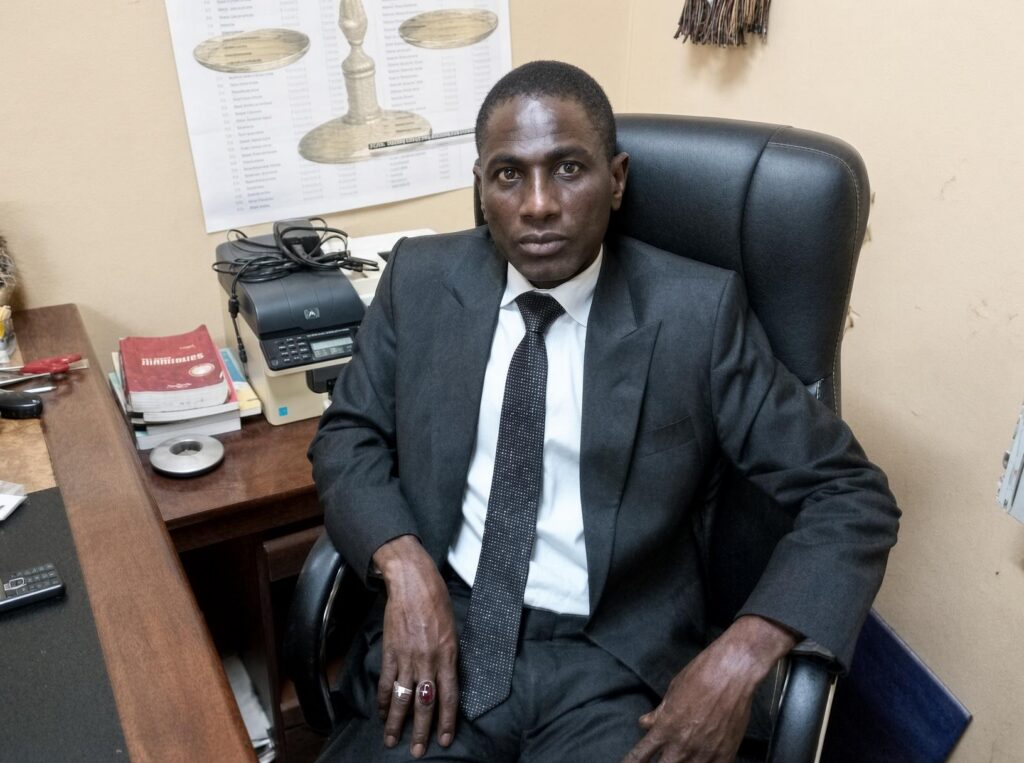
What does it mean when a lawyer can be jailed for expressing an opinion on social media? In Niger, the arrest and imprisonment of Maître Abdourahamane Lirwana answer that question bluntly: the judicial system is being used to silence dissent, and the stakes for fundamental freedoms could not be higher.
A lawyer behind bars, a profession under attack
The detention of Abdourahamane Lirwana is not an isolated legal hiccup. It represents a calculated strike against the legal profession, a blow to the rule of law, and an arbitrary show of force that should alarm anyone who values basic rights. As a lawyer, human rights defender, and active member of the Patriotic Movement for Responsible Citizenship (MPCR), Lirwana’s only “offense” was speaking his mind.
From summons to prison in 48 hours
The sequence of events is grimly predictable. Called to the Judicial Police Directorate in Niamey on September 21, 2026, the lawyer was placed in custody and brought before prosecutors the very next day. He was then incarcerated at Niamey Prison, facing charges of “disseminating data likely to disturb public order” under Article 31 of the cybercrime ordinance.
What exactly did he do?
His alleged crime? On September 12, he posted reflections on Facebook about the situation and morale of Niger’s military. That’s it. Since when does a jurist’s analysis or a citizen’s opinion about the armed forces warrant up to five years of hard time? The message is clear: self-censorship is now the safest option.
The broader crackdown on civil society
This imprisonment fits a pattern of systematic suffocation of civic space. For over a year, arbitrary detentions and prosecutions targeting civil society leaders and media professionals have become routine, including cases involving prominent journalists and activists. Such actions violate Niger’s international commitments, including the International Covenant on Civil and Political Rights and the African Charter on Human and Peoples’ Rights, which guarantee freedom of expression and fair trial.
The demand: release him now
In the face of this judicial harassment, condemned firmly by the Observatory for the Protection of Human Rights Defenders (FIDH-OMCT), silence is complicity. Abdourahamane Lirwana committed no crime; he exercised his constitutional right to free speech. Niger’s judicial and political authorities must release him immediately and unconditionally, drop all charges, and ensure that human rights defenders can work without fear.
You may also like
Can Benin turn a €500 million loan into lasting social change?
Burkina Faso: what does Ibrahim Traoré’s four-year record truly mean for the displaced and the silenced?
Will Benin’s UCESIF gambit in Bucharest pay off for francophone social dialogue?
Niger’s sovereignty paradox: can the junta’s UN rhetoric survive the SOMAÏR and SONIDEP collapse?
South Africa’s mass shooting crisis: can Johannesburg and Cape Town ever feel safe again?