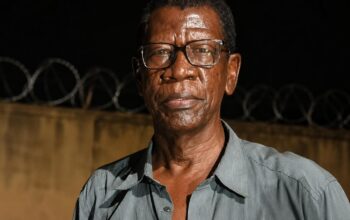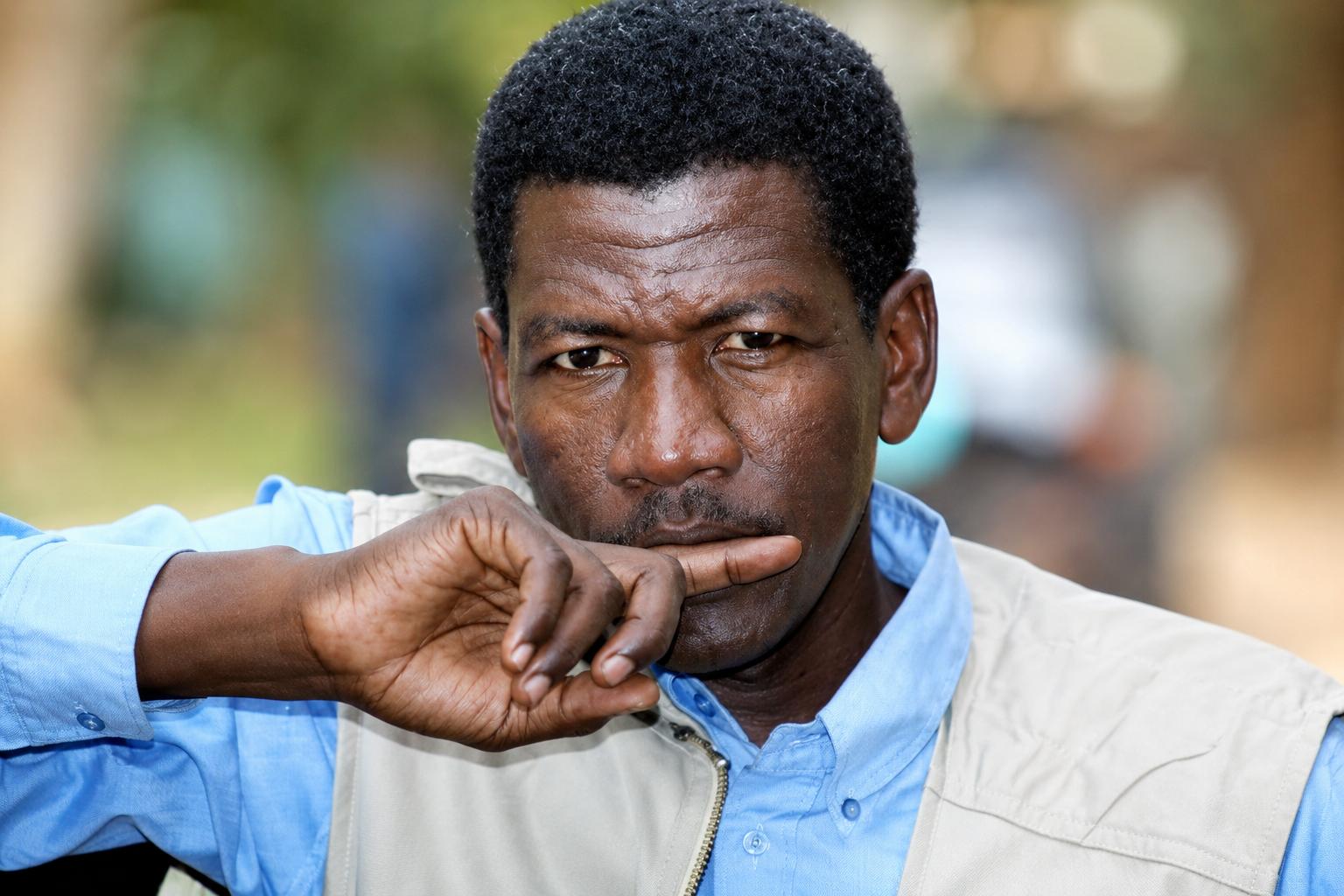
The renowned journalist and director of Radio Télévision Saraounia, Moussa Kaka, vanished without a trace in Niamey on the evening of August 31, sparking widespread concern and raising grave questions about his whereabouts. Since his disappearance, no credible explanation has emerged, and the circumstances surrounding the incident paint a disturbing picture.
From Disappearance to Kidnapping: The Facts Speak for Themselves
Moussa Kaka was last seen leaving the premises of Radio Télévision Saraounia around 7:00 PM, heading home after a long day of work. His vehicle has not been located, his phones remain unreachable, and no local hospital has recorded his admission. The official narrative of a mere disappearance crumbles under scrutiny, especially in Niamey’s tightly monitored security landscape.
In a city where surveillance is omnipresent, a journalist of Moussa Kaka’s stature does not vanish into thin air—he is taken. The timeline of events leaves little room for doubt: this was a deliberate abduction, not an accidental or voluntary disappearance.
Targeted Repression Against Independent Voices
This kidnapping follows a familiar and chilling pattern of repression against those who dare challenge the status quo in Niger. Moussa Kaka, a seasoned journalist with a long history of fearless reporting, has long been a thorn in the side of those in power. His work, particularly as a former correspondent for Radio France Internationale, has consistently exposed uncomfortable truths, making him a prime target for coercive measures.
Nearly 72 hours after his abduction, no group has claimed responsibility, and no official explanation has been provided. This eerie silence from authorities is not accidental—it is a calculated tactic to assess public and international reactions while suppressing critical voices.
A Kidnapping in a Climate of Political Upheaval
The abduction of Moussa Kaka occurs against a backdrop of escalating political tensions and relentless crackdowns on dissent in Niamey. For the media community, the message is unmistakable: silence one of the last bastions of independent journalism in the country. The pressure on journalists has never been more intense, and the consequences of defiance are becoming increasingly severe.
While advocacy groups have raised alarms, mere calls for investigations fall short of addressing the gravity of the situation. The international community and press freedom organizations must now demand more than words—they must insist on Moussa Kaka’s immediate and unconditional release.
Where Is Moussa Kaka? A Race Against Time
With each passing hour, the urgency to locate Moussa Kaka grows. His prolonged detention poses serious questions about the intentions of those responsible and the safety of a journalist who has dedicated his career to exposing the truth. The longer he remains in captivity, the greater the responsibility of Niamey’s authorities to provide clarity and ensure his well-being.
Journalists worldwide and human rights advocates are united in their demand: Moussa Kaka must be freed. The world is watching, and the clock is ticking.