Gabon’s shift in senior care: how retirement is being redefined beyond pensions
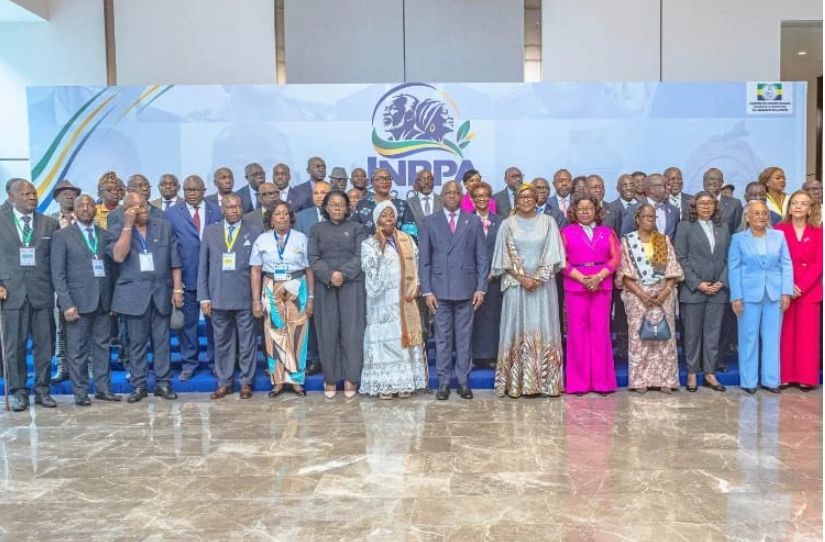
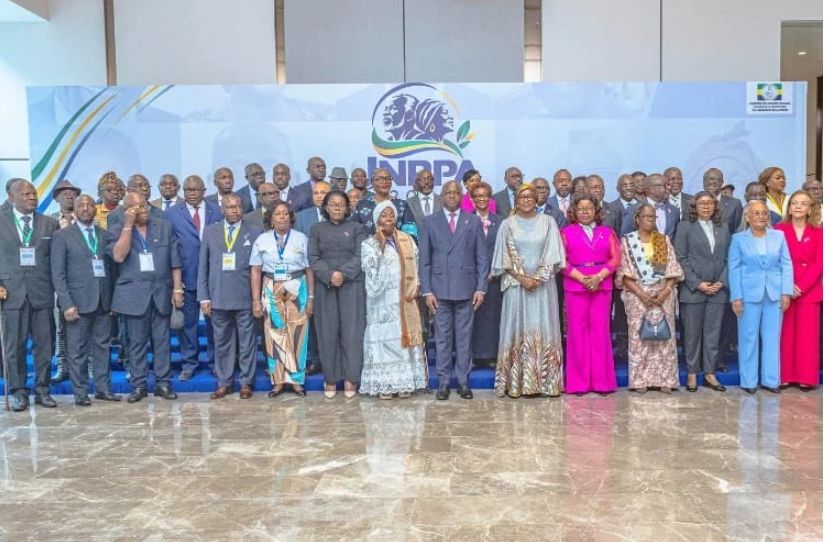
Libreville, October 3, 2026 — Gabon is rethinking how society integrates those who built its foundation. The inaugural National Retiree and Senior Day, held on October 1, 2026, marks the first step in embedding aging, retirement, and intergenerational knowledge into the national social policy agenda.
The event, themed “Welfare of Retirees and Seniors in the Fifth Republic Era,” unfolded between the Omar Bongo Ondimba Congress Palace at the City of Democracy and the Arambo Esplanade, temporarily transformed into a hub for exhibitions, dialogue, and cultural activities.
Delivering remarks on behalf of President Brice Clotaire Oligui Nguema, Vice-President of the Government, Hermann Immongault, elevated the occasion beyond a ceremonial gesture. Educators, healthcare workers, military personnel, farmers, civil servants, and traders were recognized for decades of service to the nation.
From symbolic recognition to systemic support
While applause and honors highlight progress, the deeper question remains: How does a nation support those who shaped its past when they enter retirement? Immongault’s speech underscored a critical insight — the contributions of past generations extend beyond their working years. Retirement is not just a financial milestone; it is a transition that demands dignity in health, mobility, and daily living.
Public policy now faces a broader challenge: moving from token gestures to tangible systems. Accessible healthcare, home care services, barrier-free transport, inclusive public spaces, and social integration initiatives are no longer optional. They are essential components of a society that values its elders.
Established by a June 25, 2026 cabinet decree, this annual observance on October 1 aligns with the UN International Day of Older Persons, embedding aging issues permanently into Gabon’s policy calendar.
Digital transformation at the heart of retiree support
The Pension and Family Benefits Fund (CPPF) used the occasion to showcase its operational overhaul. Under the banner “Solidarity Today for a Prosperous Tomorrow,” the institution highlighted reforms aimed at improving retiree interactions with the state.
- Digitized service delivery: reducing processing delays to under 15 days.
- Increased transparency: streamlined eligibility verification and claim processing.
- Faster access to pensions: ensuring funds reach beneficiaries without delay.
These changes do more than improve efficiency — they restore trust. When retirees know their rights are respected and their needs are met promptly, the social contract between citizens and the state strengthens. The CPPF’s transformation reflects a broader shift: from passive pension disbursement to active recognition of lifelong contributions.
Elders as architects of collective memory
Retirees are not just recipients of support; they are custodians of knowledge. Michel Tsamba, Secretary-General of the Ministry of Finance, Debt Management, and State Participation, emphasized the role of seniors in preserving professional expertise and mentoring younger generations. Judith Mengue, Head of the Estuaire Province CPPF delegation, echoed this sentiment, calling for policies that leverage the wisdom of experience instead of framing aging solely as a period of decline.
This perspective reframes senior care as a national asset. A forward-thinking aging policy must integrate health, autonomy, housing, accessible urban design, and civic engagement. It must resist the common trap of viewing seniors only through the lens of dependency — and instead recognize them as vital contributors to social and economic life.
The road ahead: turning policy into daily reality
The first National Retiree and Senior Day was filled with music, awards, and celebratory moments. Yet its true legacy lies not in the festivities, but in what comes next. The real test will be in whether Gabon can translate vision into action.
Can administrative delays be permanently slashed? Can healthcare services reach rural seniors? Can public spaces become universally accessible? These questions will define the future of aging in Gabon. Honoring elders is a moral duty. Ensuring their dignity in every phase of life is a policy imperative.
The first October 1st has passed. The next challenge is ensuring that every retiree in Gabon wakes up each day knowing their country remembers — and actively supports — their place in the nation’s story.