Analyzing Algeria’s strategic energy expansion into West Africa reveals more than just new agreements—it uncovers the deeper motivations driving Sonelgaz’s latest foray into Senegal. The signing of two memorandums with Senelec marks a calculated move that aligns with regional energy trends and Dakar’s own ambitions.
Algeria’s energy diplomacy has evolved beyond oil and gas exports; today, it’s about exporting expertise. Sonelgaz, the Algerian energy giant, has already embedded itself across Sahel nations like Mali, Niger, and Mauritania. Its latest target: Senegal, a country on the brink of becoming a major gas producer. This shift in strategy wasn’t spontaneous—it reflects a long-term vision to strengthen Algeria’s influence in West Africa’s growing energy landscape.
How Sonelgaz became Algeria’s energy diplomacy tool
Sonelgaz isn’t just another state-owned enterprise—it’s the cornerstone of Algeria’s energy outreach in Africa. With a track record of infrastructure projects in neighboring countries, the group brings more than capital; it offers a turnkey solution for energy development. From Mali to Cameroon, Sonelgaz has positioned itself as both a supplier and a partner, offering technical know-how in electricity generation, distribution, and even equipment manufacturing.
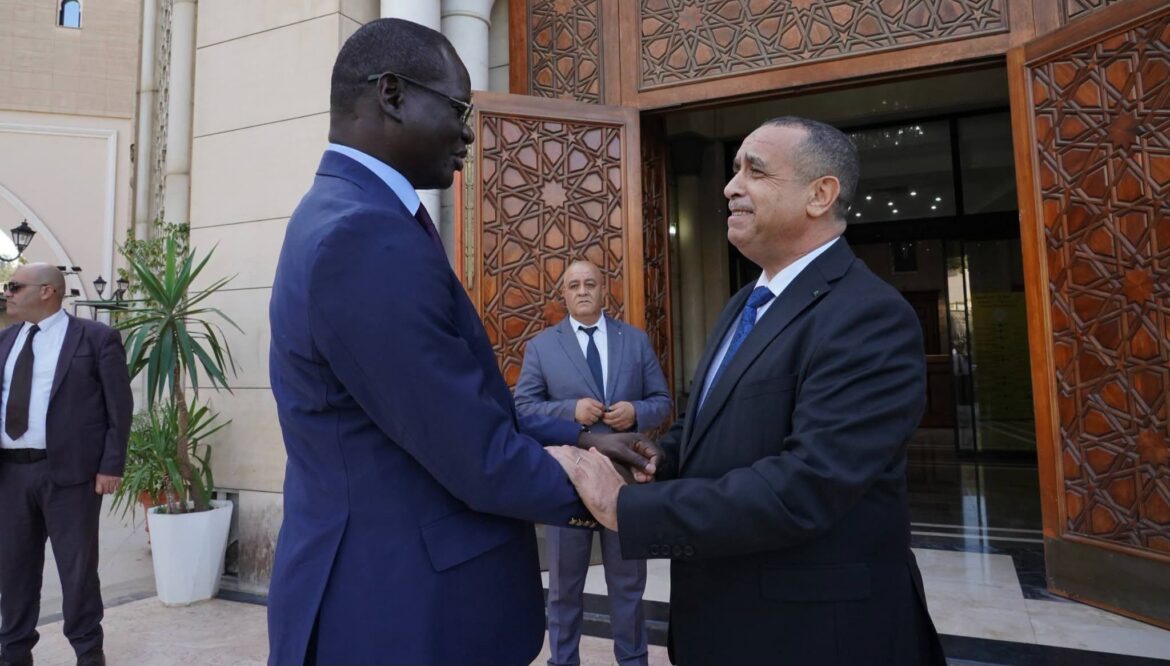
The transfer of Algerian energy expertise is now a central pillar of this strategy. During high-level talks in Algiers, Algeria’s Energy Minister Dr. Mourad Adjal emphasized a holistic approach: supporting Senegal not just in gas-to-power projects but in building an entire energy ecosystem. This includes training local engineers, co-producing electrical equipment, and upgrading the national grid.
Why the focus on natural gas?
Senegal’s upcoming role as a gas producer presents a rare opportunity for Sonelgaz to leverage its 40+ years of experience in natural gas processing and infrastructure. The two memorandums signed with Senelec target exactly that:
- Technical assistance in gas-fired power plants: Algeria, a global leader in gas-based electricity, will help Senegal convert its newfound gas wealth into reliable power.
- Joint ventures in equipment manufacturing: Local production of transformers, switchgear, and cables could reduce Senegal’s reliance on imports while creating jobs.
- Grid integration and cross-border interconnections: Algeria’s experience in regional power pools (like the Maghreb grid) may help Senegal link with neighboring countries, enhancing energy security.
- Renewable energy synergy: While gas dominates the talks, both sides hint at future cooperation in solar and wind integration—a nod to Africa’s energy transition.
Dakar’s bet on Algeria: a strategic partnership in the making
Senegal didn’t choose Algeria by coincidence. Minister El Hadji Abdourahmane Diouf called Algeria a “reliable partner for the next phase of development.” This trust stems from more than proximity—it’s rooted in Algeria’s proven ability to deliver large-scale energy projects. By aligning with Sonelgaz, Senegal gains access to:
- Cost-efficient infrastructure models: Leveraging Algeria’s state-backed financing and industrial base lowers long-term costs.
- Regional energy market access: Algeria’s connections with Europe via pipelines like the Medgaz offer a potential export pathway for Senegal’s future gas surplus.
- A roadmap for energy independence: With gas extraction starting soon, Senegal needs partners who can help monetize it domestically and regionally.
Critics might question the timing—Senegal already has European partners like BP and Kosmos Energy. But Algeria brings something unique: expertise in turning gas into industrial strength, not just export revenue. This could accelerate Dakar’s goal of becoming West Africa’s next energy hub.
What’s next? A December milestone in Dakar
The October meeting in Algiers was just the overture. The real crescendo comes in December, when Algeria and Senegal are set to sign a comprehensive energy cooperation pact in Dakar. While details remain under wraps, analysts anticipate three major outcomes:
- Formalization of the Sonelgaz-Senelec agreements into binding contracts with timelines and funding.
- Establishment of a joint task force to oversee project implementation, from gas pipeline routes to renewable energy zones.
- Announcement of flagship projects—likely including a gas-to-power plant, a local manufacturing plant, and a cross-border interconnectivity line.
With this deal, Sonelgaz isn’t just entering Senegal—it’s placing itself at the heart of West Africa’s energy future. For Algeria, it’s another step toward becoming the continent’s indispensable energy partner. For Senegal, it’s a gamble on sovereignty, speed, and smart capital.