Behind the scenes: why France’s Mistral is reshaping Senegal’s military strategy
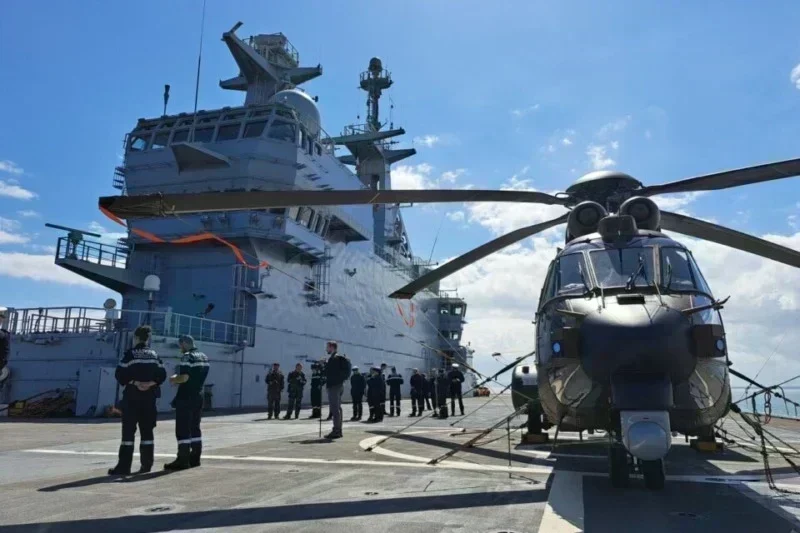
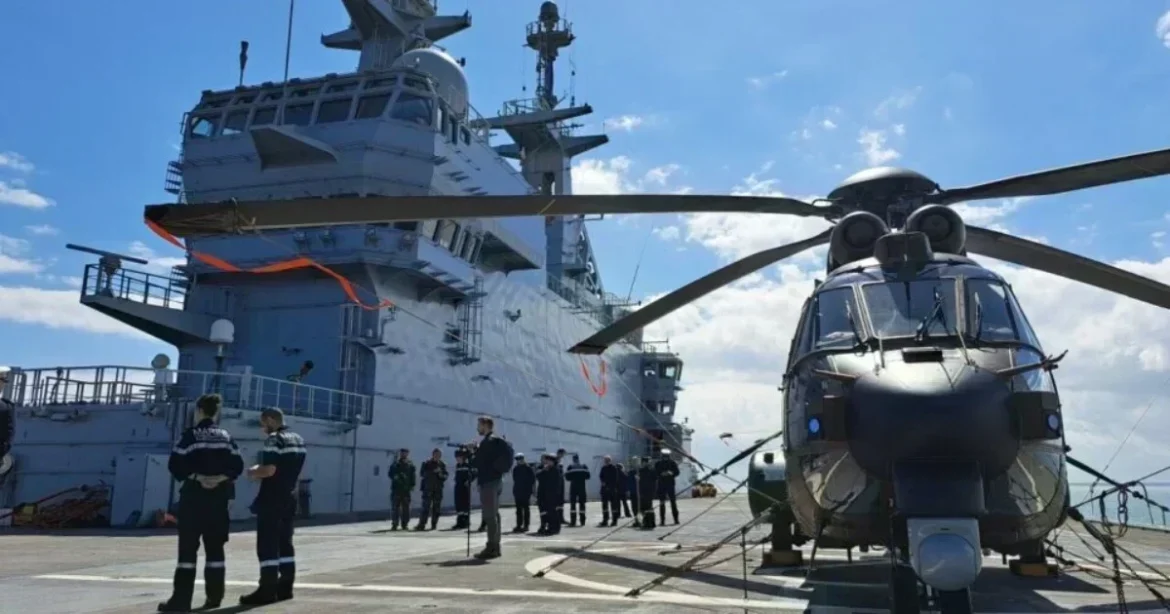
France’s Mistral amphibious assault ship arrived in Dakar for a five-day mission in October 2026, but this wasn’t a routine port call. What unfolds behind the scenes reveals how both nations are recalibrating their military cooperation after France withdrew its permanent bases from Senegal.
Beyond symbolism: the operational heart of the Mistral’s mission
The Mistral isn’t just another visitor to Dakar’s port. As one of the French Navy’s most advanced amphibious assault ships, it carries helicopters, troops, and armored vehicles, making it a floating command center for combined air-land-sea operations. Its five-day stopover is packed with joint exercises designed to strengthen Senegal’s defense capabilities while fostering interoperability between the two armed forces.
The program kicks off with tactical drills on land. French and Senegalese units will move between Dakar and the Mont-Rolland training center in Thiès, where they’ll conduct live-fire exercises, urban combat simulations, and command-and-control tests. These activities aren’t just drills—they’re a strategic investment in Senegal’s ability to handle emerging security challenges independently.
Naval drills that test real-world readiness
The maritime component is equally critical. Off the coast of Senegal, the Mistral and Senegalese naval ships will conduct coordinated anti-piracy, coastal surveillance, and search-and-rescue operations. These exercises simulate scenarios where rapid joint responses could be decisive—whether against smuggling networks or unauthorized vessels encroaching on Senegalese waters.
Such maneuvers aren’t theoretical. They reflect the shifting dynamics in the Gulf of Guinea, where illegal fishing, drug trafficking, and armed robbery at sea threaten regional stability. For Senegal, which has expanded its naval patrols, these drills are a chance to validate its new capabilities under realistic conditions.
A strategic pivot in defense relations
This mission follows Senegal’s 2025 takeover of French military bases, marking a clear transition from a former colonial garrison model to a partnership built on mutual benefit. France no longer maintains a permanent presence, but its engagement continues through targeted cooperation—like the Mistral’s deployment. This approach aligns with Senegal’s push for a more autonomous defense posture while maintaining strong ties with its former colonial power.
The Mistral’s visit also includes academic exchanges. Officers from both nations will participate in seminars at Senegal’s war college and staff schools, comparing doctrines and operational tactics. These sessions are often where lasting professional bonds form, strengthening the foundation for future collaboration.
As the Mistral prepares to depart, the message is clear: the withdrawal of French bases hasn’t weakened the partnership. Instead, it’s evolving into a more dynamic, results-driven alliance—one that prioritizes Senegal’s sovereignty while ensuring the two nations can respond swiftly to shared threats.