The hidden dangers behind Senegal’s most trusted ride-hailing apps
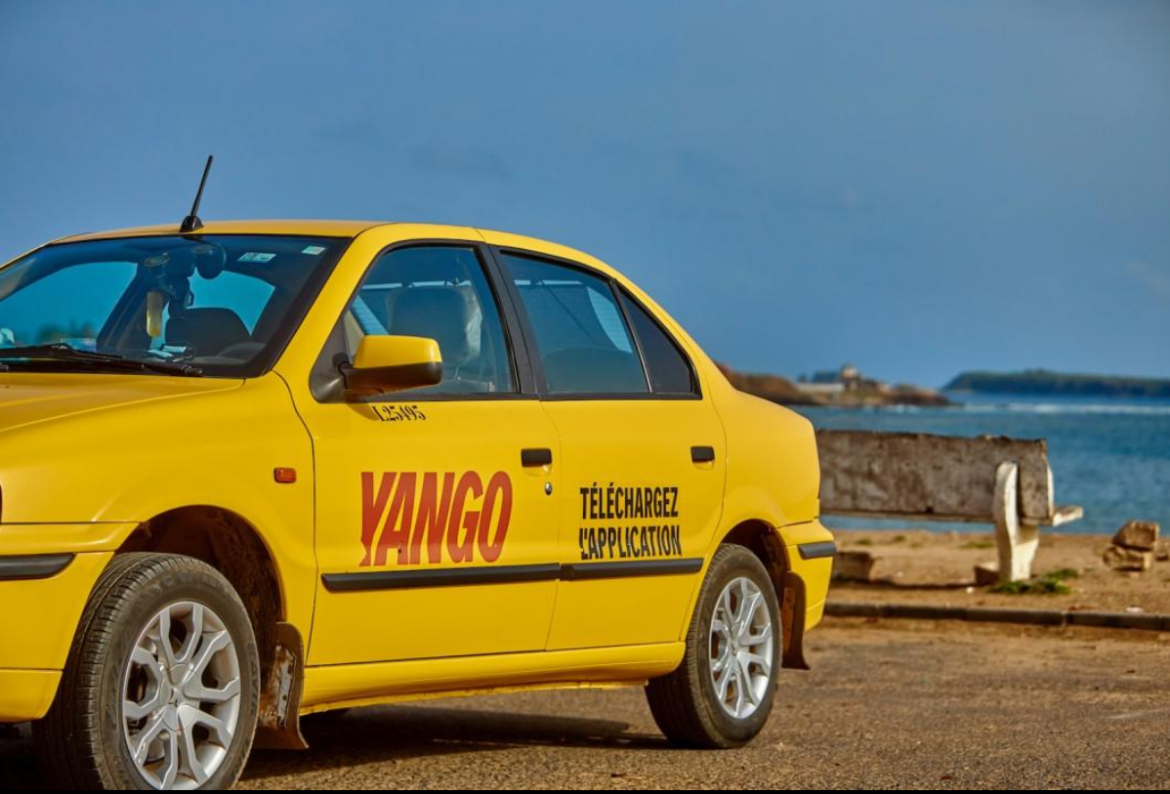
The rapid rise of ride-hailing platforms in Dakar and beyond promised convenience and safety for passengers. Yet a recent scandal involving Yango—one of Senegal’s leading VTC apps—has exposed alarming gaps in driver recruitment, platform oversight, and accountability mechanisms. Behind the veneer of digital innovation lies a troubling reality: systemic failures in safeguarding women’s transport rights.
From passenger reviews to criminal allegations: a pattern of misconduct
Several women have come forward with harrowing accounts of alleged sexual assaults, armed robberies, and physical intimidation committed by a driver operating through Yango. Their testimonies converge on disturbing details: forced route changes, isolated final destinations, and extreme threats involving knives. In some cases, victims reported theft of mobile money funds after being coerced to unlock their accounts.
The incidents span key routes between Mbour and Dakar, a corridor heavily trafficked by both locals and tourists. While Yango has denied any record of the reported journeys, the consistency of the victims’ statements raises critical questions about the platform’s internal controls and verification processes.
Why the system failed to catch red flags
Independent reviews of ride-hailing operations in West Africa reveal a common vulnerability: shallow vetting practices. Many platforms rely on minimal identity checks, omitting thorough criminal background reviews or psychological assessments of drivers. Without mandatory periodic audits or real-time passenger reporting integration, risks escalate unnoticed until a crisis erupts.
In Senegal’s case, the absence of a unified regulatory framework exacerbates the issue. While other transport sectors adhere to strict licensing requirements, VTC apps operate in a loosely regulated grey zone—benefiting from technological innovation yet sidestepping the safety standards expected of traditional transport services.
Yango’s delayed response: transparency or damage control?
Yango finally addressed the controversy through a public statement, acknowledging “serious concerns.” The company claims to have no matching records for the reported trips, suggesting either a data discrepancy or the use of a rogue driver operating under compromised credentials. But the explanation raises more questions than it answers.
If the driver was active on the platform, how did he evade detection during routine verifications? If he wasn’t registered, how did he access the system for long enough to commit multiple offenses? The gap between claimed safety systems and reported incidents exposes a dangerous disconnect between policy and practice.
What victims say: a breakdown in trust
Survivors describe a pattern of manipulation: fake detours, sudden location changes, and escalating threats. One woman recounted being locked in the vehicle as the driver demanded access to her mobile money PIN. Another reported sexual assault under the threat of a bladed weapon. These are not isolated events, but repeated behaviors that point to a systemic failure in passenger protection.
For many women in Dakar, ride-hailing apps represented a trusted alternative to unreliable public transit. Now, personal security has become a daily concern. The psychological toll transcends the platform—it undermines confidence in digital mobility solutions altogether.
Society demands accountability: beyond Yango, a call for regulation
Civil society groups, including the feminist movement WaxJotNa, have condemned the lack of transparency and called for urgent reforms. They demand full investigations, victim support, and mandatory driver oversight across all VTC platforms. Their demands extend to stricter licensing, continuous monitoring, and public reporting of safety metrics.
The scandal has ignited a national conversation about women’s mobility rights. Can a woman truly travel freely in Senegal without fearing for her safety? The answer depends on whether ride-hailing companies and regulators act—not just in response to crises, but through proactive, comprehensive safeguards.
Who is responsible when a driver commits a crime?
The legal liability of ride-hailing platforms remains a gray area. While platforms argue they are mere intermediaries, victims and advocates counter that they profit from a high-risk service and must share responsibility for user safety. Legal precedent in countries like France and the UK has begun to hold platforms accountable for driver misconduct, especially when background checks are inadequate.
In Senegal, the absence of clear legal precedent may delay justice for victims. But one principle is unequivocal: platforms cannot claim innovation while neglecting protection. Future regulation may require mandatory criminal record checks, real-time GPS monitoring, and immediate deactivation of any driver linked to violent incidents.
What comes next for Senegal’s ride-hailing industry?
This crisis could mark a turning point. For Yango and its competitors, the path forward demands radical change: transparent audits, independent safety reviews, and a commitment to zero tolerance for misconduct. For regulators, it’s a wake-up call to standardize safety protocols across the entire VTC sector.
The biggest question remains unanswered: Can women in Senegal trust ride-hailing apps again? The answer lies not in promises, but in proven action—systems that protect, not just profit.
Key lessons for users and platforms alike
- Always verify your driver before entering the vehicle—check license plate, name, and vehicle type.
- Share your trip in real time with a trusted contact using the app’s share feature.
- Never share your PIN or payment details with the driver under any circumstances.
- Report suspicious behavior immediately through the app and contact local authorities.
- Support survivor-centered initiatives that prioritize healing and justice over corporate reticence.
Until these changes take root, the freedom to move safely in Dakar—and across Senegal—will continue to be compromised by preventable failures.