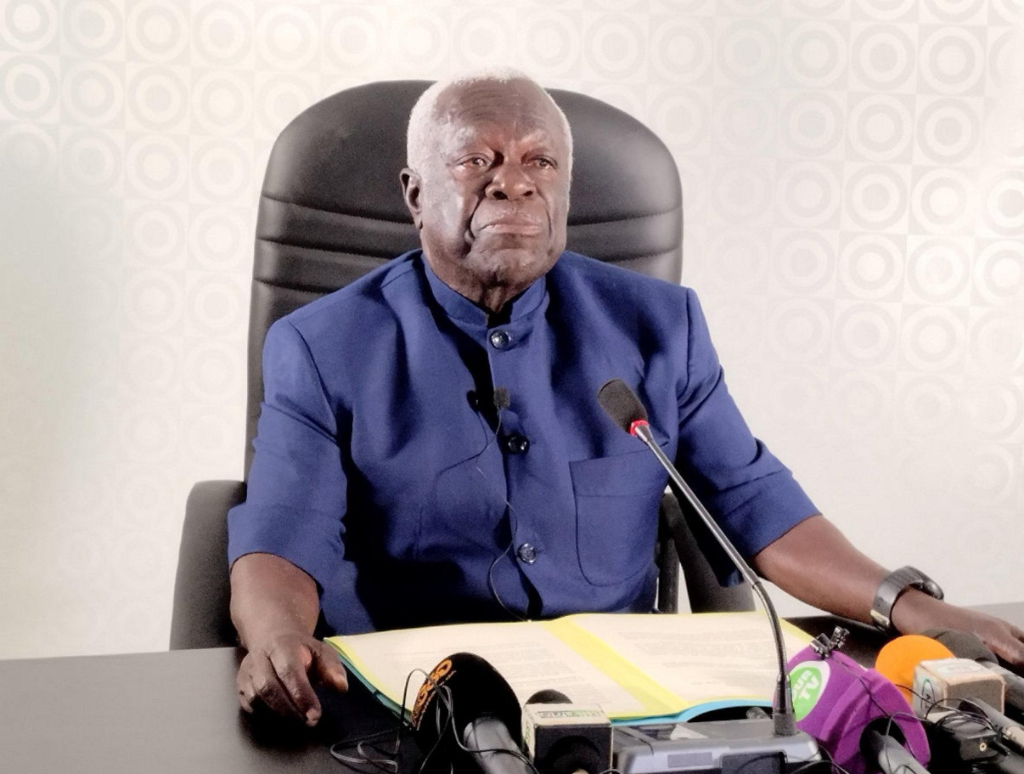
The afternoon of November 13, 2026, should have been a routine youth football match at Librevilles Sibang stadium. Instead, it became the flashpoint that exposed deep tensions within Gabons judiciary and political elite. Among those watching from the sidelines was Jean-Boniface Assélé, former police general, multi-time minister under Omar Bongo, and a once-untouchable power broker. When a single gunshot echoed across the field, it not only wounded 12-year-old Jason Merlin Midioko—nicknamed Dylan—but also set in motion a historic reckoning that has now landed the 87-year-old behind bars.
Behind the shotgun: what happened on Sibang’s football field
The incident unfolded under circumstances that remain under rigorous judicial scrutiny. According to the prosecution’s initial findings, Assélé arrived at the public pitch in a vehicle driven by his adult son. Armed with a 16-gauge hunting shotgun, he approached the group of adolescents playing a casual match. Eyewitness accounts and early forensic evidence suggest he issued an order to vacate the premises. Moments later, a round discharged, striking Dylan in the right flank and causing severe internal trauma.
Rather than fleeing the scene, the former security chief reportedly contacted judicial authorities and voluntarily presented himself for questioning later that night. Prosecutors immediately filed preliminary charges of attempted murder and illegal firearm possession, triggering an intensive inquiry into motive, intent, and the broader chain of command linked to the incident.
From the ward to the courtroom: the young victim’s fight for justice
The young footballer was rushed to the Centre hospitalier universitaire Mère-Enfant Fondation Jeanne-Ebori in Libreville, where emergency surgeons removed the projectile lodged near critical organs. Despite prompt intervention, the adolescent remained in intensive care for several days. National leaders mobilised swiftly: President Brice Clotaire Oligui Nguema visited the hospital, mandated full state coverage of medical transport costs, and coordinated ministerial support for Dylans family.
Across digital platforms, the hashtag #JusticeForDylan gained explosive traction. Citizens posted vigils, open letters, and calls for transparent prosecutions, transforming a tragic shooting into a flashpoint for public faith in the judicial system.
The fall of a political colossus: from ministerial suites to prison cells
Jean-Boniface Assélé’s journey from the highest echelons of power to a cell in the Gros-Bouquet central prison is laden with institutional symbolism. Over four decades, he served as national police commander, held multiple ministerial portfolios under Omar Bongos long presidency, and presided over the Cercle des libéraux réformateurs. His influence once rivalled that of sitting ministers and parliamentary caucuses.
Yet when prosecutors requested a judicial warrant on November 16, the 87-year-old was escorted from the prosecutor’s office directly to detention. Magistrates provisionally charged him with attempted murder and firearm misuse—charges that now await confirmation through a full judicial inquiry. The case underscores a growing national expectation: no profile, however esteemed, is insulated from equitable prosecution.
Public scrutiny and the principle of equality before the law
The affair has ignited debates about whether former high officials can be held to the same standards as ordinary citizens. Public statements from the presidency have repeatedly affirmed that ‘the law applies equally to all’—a refrain heard each time a once-dominant figure faces judicial scrutiny. Meanwhile, Assélés family has publicly expressed regrets and initiated separate steps to assist the victim’s rehabilitation.
As the investigative phase begins, key questions remain unanswered: the precise circumstances leading to the discharge, the alleged shooter’s intent, and any potential complicity by others present on the pitch. The inquiry must resolve these before a formal indictment can proceed.
What lies ahead for Dylan and the former general
On one side stands Dylan, still recovering from life-threatening injuries and dependent on specialised medical care. On the other is Assélé, now confronting a criminal process that could redefine the boundaries of elite accountability in Gabon. Regardless of outcome, the case has already reshaped public perceptions of justice in the country.
The next chapter belongs to the investigating magistrate. In a nation where political pedigree once shielded figures from legal consequences, the proceedings unfolding in Libreville courtrooms now stand as a defining test of institutional fairness and the enduring primacy of the rule of law.