Bénin: political leaders urged to set aside biases about the Senate
The role and purpose of the Senate in Bénin’s political landscape took center stage during a high-level discussion on rule of law and political transition in Africa, held in Cotonou on August 6, 2026. Organized by the Institute of Craftsmen for Justice and Peace (IAJP/Co), the event sparked meaningful exchanges on how bicameral systems contribute to democratic resilience.
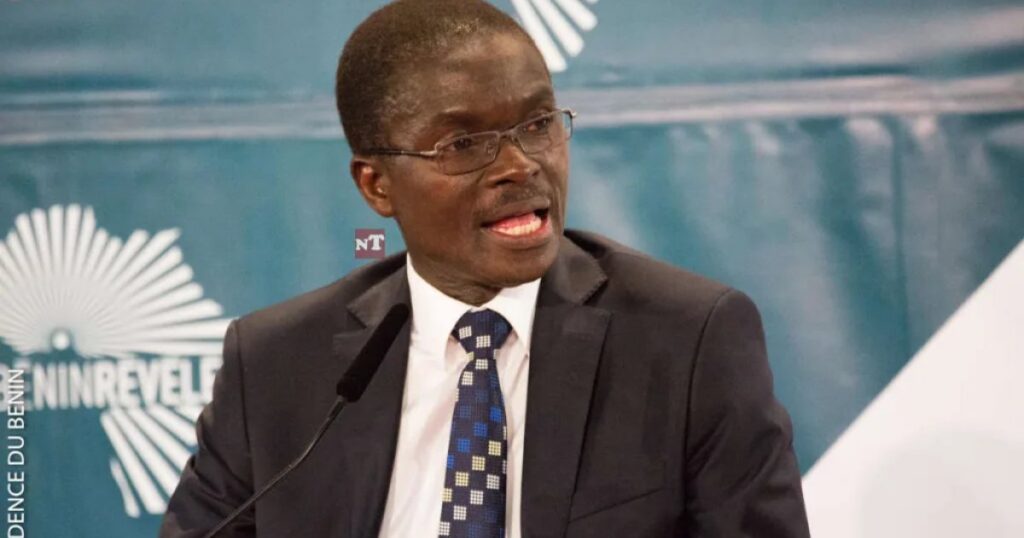
Among the prominent voices at the event was former Minister and Deputy Lazare Maurice Sehouéto, who vigorously defended the Senate as a stabilizing force for democracy and a mechanism for political regulation. His remarks came in response to concerns raised by former Deputy Kamel Bio Sika Ouassagari, who questioned the scope of powers entrusted to the upper house.
Moving beyond speculation to legal clarity
Sehouéto emphasized the importance of grounding political discourse in the legal framework rather than speculative fears. He argued that the Senate’s creation reflects a deliberate choice to strengthen institutional stability—a model already embraced by other nations facing similar challenges.
To illustrate his point, he compared Bénin’s approach to established democracies:
- France: The establishment of the Fifth Republic to address chronic ministerial instability and restore constitutional order.
- Germany: The post-World War II construction of institutional safeguards to prevent authoritarian overreach and uphold the rule of law.
Fostering unity and long-term development
The former lawmaker stressed that the Senate’s primary goals are to calm political rivalry, reinforce national cohesion, and protect the country’s developmental trajectory. He cautioned against premature judgments or unfounded criticisms, urging all political actors and civil society to engage in evidence-based dialogue.
As the discussion drew to a close, Sehouéto extended an invitation to all stakeholders to participate in constructive, fact-driven debates, ensuring the Senate’s role is understood and supported based on tangible outcomes rather than assumptions.
You may also like
Will Senegal’s local elections break Bassirou Diomaye Faye’s presidency before it truly begins?
Senegal’s budget: can Ousmane Sonko afford to block Bassirou Diomaye Faye’s 2026 plan?
Senegal electoral reform: Khalidou dit Mbaye Sokoma’s full proportional representation push
Senegal’s local elections: Bassirou Diomaye Faye still won’t set a date
Alain-Georges Moukoko takes over Libreville prosecutor general’s office