The mechanics behind Burkina Faso’s judicial offensive against exiles
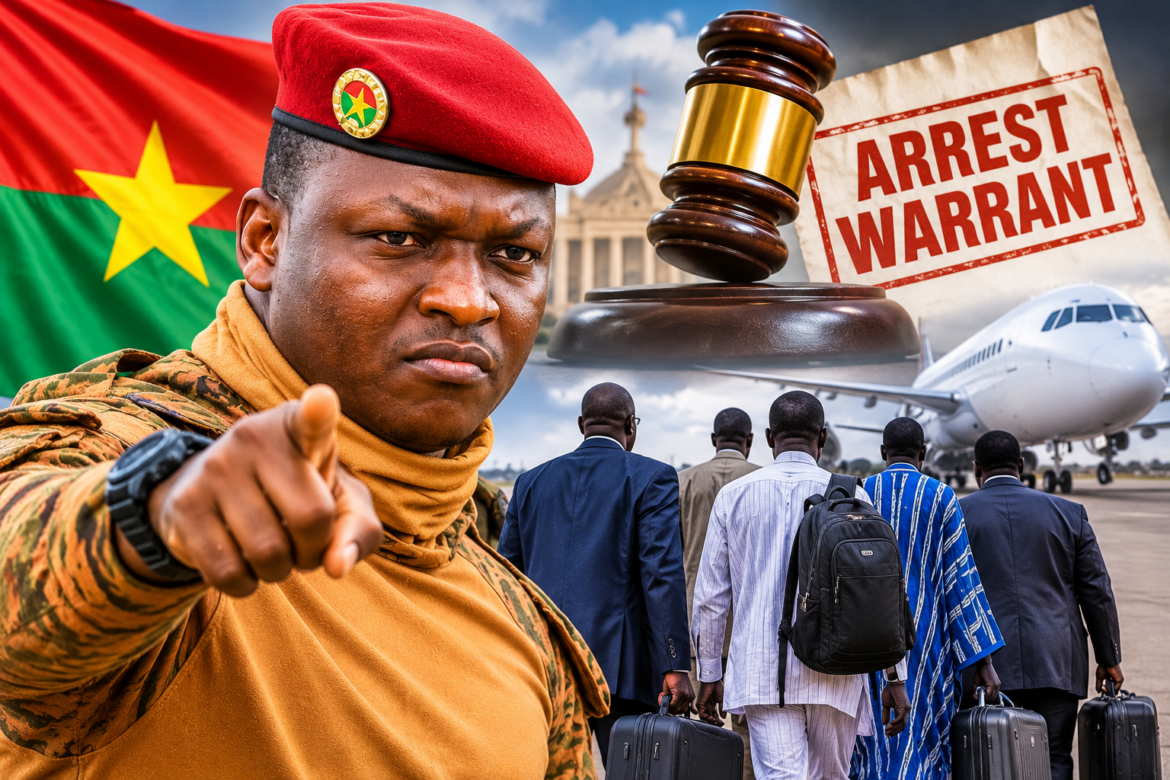
The recent wave of judicial proceedings against former political leaders, military officials, and journalists based abroad marks a troubling escalation in Burkina Faso’s post-transition landscape. These individuals, who fled the country amid escalating political tensions and security concerns, now face arrest warrants, extradition requests, and ongoing legal battles initiated by authorities in Ouagadougou.
This concerted effort raises critical questions about the motivations driving such measures. Why does the administration under Ibrahim Traoré persist in pursuing legal action against citizens who no longer reside within the nation’s borders? For the accused, exile was intended as a refuge from persecution yet the persistence of these legal maneuvers suggests a deeper, more complex agenda at play.
The blurred line between justice and political vendetta
The proliferation of cases targeting former allies, military figures, and outspoken critics has begun to erode confidence in the impartiality of Burkina Faso’s judicial system. Are these prosecutions rooted in legitimate legal grounds, or do they reflect a calculated strategy to silence opposition and consolidate power?
At its core, this legal campaign challenges fundamental principles of justice. While no individual should be exempt from accountability, prosecutions must be anchored in verifiable evidence, transparent procedures, and institutional independence. The fusion of judicial action with political objectives risks transforming the law into an extension of factional rivalries, thereby undermining public trust.
Extradition across borders: a double-edged sword
The transnational nature of these legal proceedings introduces additional complications. International extradition requests demand stringent safeguards respect for due process, protection from political persecution, and assurance that defendants’ rights will not be compromised. Yet the timing and scope of these efforts fuel speculation about their true purpose.
By pursuing critics beyond its borders, the Burkinabè government risks straining diplomatic relations and provoking skepticism about its commitment to justice over retribution. If a regime views dissent as a permanent threat, even when voiced from afar, it risks undermining its own legitimacy and isolating itself on the global stage.
The political fallout of a justice-driven containment strategy
This judicial offensive carries significant political repercussions. A leadership confident in its direction would engage with criticism through transparency and policy, not through protracted legal confrontation. Instead, the relentless pursuit of former adversaries paints a picture of a government that equates dissent with existential danger, regardless of geographical boundaries.
Burkina Faso faces pressing challenges security crises, economic strain, and humanitarian emergencies yet the regime’s fixation on prosecuting past opponents raises concerns about its priorities. When institutions prioritize political score-settling over immediate public needs, citizens are left questioning the true intent behind such actions.
A perilous path: justice or perpetual cycle of retribution?
The greatest danger posed by this strategy is the erosion of the justice system’s integrity. If every change in leadership inevitably triggers retaliatory prosecution of former officials, Burkina Faso risks entrenching itself in a cycle of vengeance that serves neither national unity nor rule of law. True democratic resilience is built on institutions that administer justice impartially, even when faced with criticism.
For the nation to move forward, Burkina Faso’s leaders must confront a fundamental choice: Will justice be pursued with fairness and evidence, or will it continue to serve as a vehicle for political consolidation and personal score-settling? The legitimacy of Ibrahim Traoré’s administration now hinges on its ability to demonstrate that the law applies equally and not as a weapon against perceived enemies.
In conclusion: the future of justice in a politically charged transition
The unfolding legal campaign raises a stark question: Can Burkina Faso break free from the pattern of using justice as an instrument of political domination? The answer will define not only the trajectory of its judicial system but also its long-term stability and international standing. A state that measures its strength through the suppression of dissent risks sacrificing the very principles it claims to uphold.
By Claire Mvondo — Journalist