The waters around Taiwan have become an unexpected proving ground for China’s unfolding military ambitions. A recent surge in naval activity—reportedly involving over 100 vessels and an unconfirmed submarine missile launch—has cast a spotlight on Beijing’s evolving strategy in the western Pacific. While no official announcement accompanied the maneuvers, the scale and coordination of the operation suggest a deliberate effort to shape regional dynamics without triggering immediate international alarm.
What happened during China’s latest naval exercises near Taiwan?
According to insider accounts within Taiwan’s security apparatus, China conducted a series of large-scale naval drills in the western Pacific beginning in early November. The operation, which involved more than 100 vessels, stretched beyond standard exercises in the Taiwan Strait and into open waters. A high-ranking Taiwanese source, speaking on condition of anonymity, described the maneuvers as a deliberate test of operational readiness—one that simulated attacks on Taiwan, foreign military forces, and strategic targets across the region.
The maritime force behind the operation
Participants included ships from multiple Chinese naval commands—East, North, and South Fleet—as well as the aircraft carrier Liaoning’s carrier strike group. The simultaneous engagement of these units underscores Beijing’s growing ability to project power across vast distances. Intelligence sources suggest the drills were designed to evaluate scenarios including Taiwan’s encirclement, maritime traffic control, and interdiction of adversary forces. As of November 13, approximately 70 vessels remained within the First Island Chain, a key maritime boundary in the Pacific.
A missile test from the deep: the strategic subtext
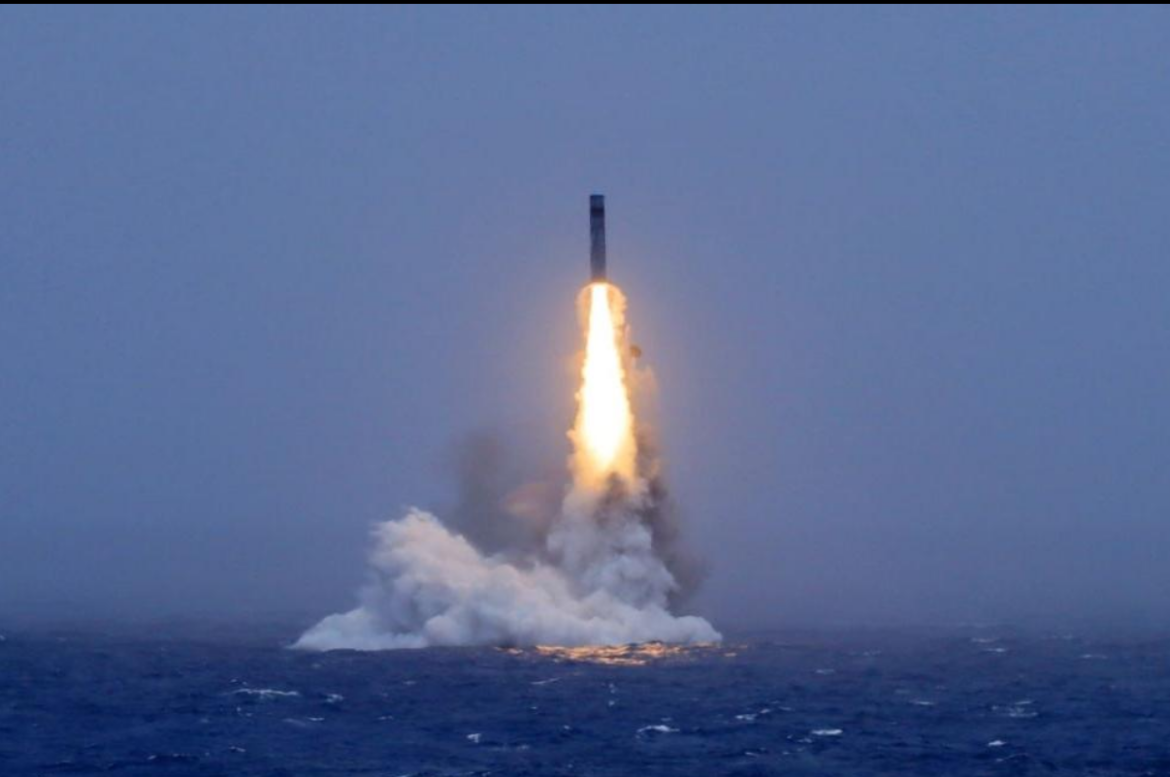
The most striking element of the operation was not just its size, but the possible conduct of a submarine-launched ballistic missile (SLBM) test. According to the same Taiwanese source, a Chinese submarine reportedly fired an intercontinental ballistic missile in the Yellow Sea, targeting China’s mainland. While no independent technical confirmation has been released, SLBMs are a cornerstone of nuclear deterrence—their stealth and mobility make them difficult to track and counter. If confirmed, such a launch would signal a major leap in China’s underwater strategic capabilities.
h3>Why did China keep its maneuvers quiet?A senior Taiwanese defense official characterized Beijing’s approach as “silent intimidation.” Like a concealed weapon in a pocket, the presence of the naval force—and the implied threat—is felt by those in its shadow without necessarily being visible to outsiders. The goal appears to be psychological and strategic pressure on Taiwan and regional partners, all while minimizing the risk of a strong diplomatic response. The timing—just days before the APEC summit in Shenzhen—has also fueled speculation about the possibility of intentional signaling to an international audience.
Regional tremors: who feels the ripple effect?
The strategic implications of China’s naval surge extend far beyond the Taiwan Strait. Japan, situated at the heart of the First Island Chain, finds itself in a precarious position. Its proximity to Taiwan and dependence on sea lanes for trade and energy make it highly vulnerable to any disruption. Any move toward a blockade or denial-of-access strategy could threaten Japanese supply chains, energy security, and the operational freedom of U.S. forces in the region.
The United States, already a key security provider in the Pacific, is watching closely. A Chinese strategy aimed at restricting access could delay or prevent American intervention in a crisis. While there is no evidence that the presumed missile launch targeted Japan, the broader pattern of behavior raises regional concerns about the erosion of deterrence and the normalization of coercive maritime control.
Diplomatic fronts harden as tensions rise
On November 11, foreign ministers of the G7 issued a joint statement expressing concern over Chinese military activity east of Taiwan. They highlighted risks to regional stability, freedom of navigation, and global supply chains. The statement reflects growing unease among Western powers about the pace and opacity of China’s military expansion in sensitive maritime zones.
Taiwan’s strategic dilemma: pressure without war
The latest revelations do not confirm an imminent invasion of Taiwan. Instead, they reveal an accelerating pattern: Beijing appears to be building the military capacity to exert sustained pressure on Taipei without triggering a full-scale conflict. The coordinated deployment of over 100 ships, the practice of interdiction scenarios, and the potential SLBM test all point to a long-term strategy of strategic dominance through gradual escalation.
For Taiwan, the challenge is clear: adapt to an environment where military options are always present in the background, even if not yet deployed. In this fragile balance, one question looms large: how far is China willing to go to assert control over the Taiwan Strait—and what will it take to push back?
The invisible calculus behind Beijing’s military signaling
The decision to conduct these exercises without public notice speaks to a broader pattern in Chinese defense policy. By operating beneath the radar, Beijing seeks to probe the limits of deterrence while testing the reactions—and coordination—of adversaries. It’s a form of strategic patience: wait, watch, and incrementally expand influence without triggering a direct confrontation. Whether this approach will succeed in reshaping regional power dynamics remains an open question—but the stakes could not be higher.