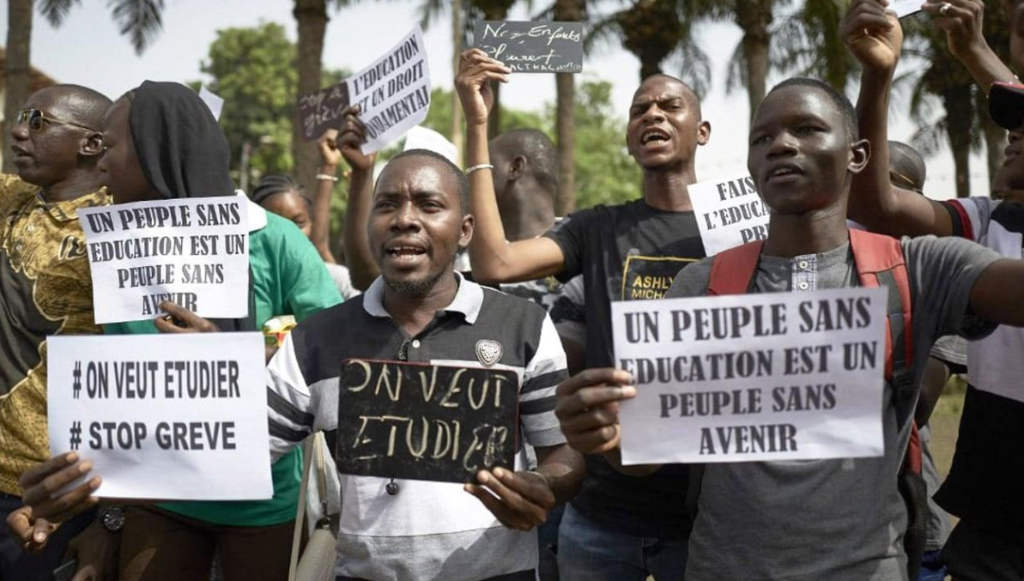
The standoff between Mali’s transition authorities and university lecturers has reached a critical inflection point. After a three-week strike paralyzing higher education institutions, the National Union of Higher Education and Scientific Research (SNESUP) announced its first high-level meeting with top government officials. But will this breakthrough translate into tangible solutions—or merely mark another false dawn in the prolonged academic impasse?
Why a decade-old promise still haunts Mali’s universities
The roots of this crisis stretch back to 2017, when a presidential decree established a long-overdue research bonus for lecturers. Nearly a decade later, despite the decree’s clear mandate, this financial acknowledgement of scholarly work remains unpaid. The SNESUP demands immediate implementation, including:
- Official determination of the bonus amount
- Clear payment modalities and retroactive adjustments
- Transparent timelines for disbursement
For lecturers, this isn’t a new demand—it’s the fulfillment of an already legally binding commitment. Yet each passing year without action has eroded trust in state institutions.
From silence to summit: authorities finally acknowledge the crisis
For 21 days, Mali’s transition authorities remained conspicuously silent amid escalating university disruptions. Then, in a sudden reversal, SNESUP leaders were granted an audience with top officials. The shift signals a reluctant acknowledgment that the dispute has become too visible to ignore.
However, the union has withheld immediate judgment, stressing the need to brief its members before commenting on potential resolutions. Crucially, no concrete commitments regarding the research bonus have been disclosed—leaving lecturers unconvinced the conflict is nearing resolution.
The strike continues unabated, underscoring SNESUP’s stance that dialogue alone cannot substitute for action.
The human cost: students bear the brunt of academic paralysis
While lecturers fight for what they describe as long-delayed professional recognition, the strike’s collateral damage falls heavily on Mali’s students. With each week of disruption:
- Exam schedules face cancellation or uncertainty
- Class progress stalls, jeopardizing academic years
- Future job prospects dim for graduating cohorts
A previous mediation attempt involving local leaders failed to break the deadlock. Now, with the government’s belated engagement, pressure mounts on both sides to deliver more than symbolic gestures.
A crisis of expectations: why this strike differs from past disputes
Unlike political or institutional protests that often dominate headlines, this strike targets a technical issue: the enforcement of existing law. Yet its persistence reveals deeper systemic failures:
- Chronic underfunding of research infrastructure
- Erosion of trust in state commitments to educators
- Structural bottlenecks in public sector disbursements
The SNESUP’s resolve suggests lecturers have exhausted patience for bureaucratic delays. The authorities, meanwhile, must now balance demands for fiscal prudence with the need to restore credibility in their regulatory oversight.
The road ahead: dialogue without guarantees
The first high-level meeting may mark the end of forced silence, but it offers no guarantees of resolution. SNESUP’s leadership has emphasized internal consultations as the next critical step—raising the stakes for any future proposals.
For the strike to end, authorities must present terms that:
- Address retroactive payments explicitly
- Provide a definitive timeline for future disbursements
- Include third-party verification to ensure transparency
With the academic year hanging in the balance, the coming days will test whether this rare moment of engagement can evolve into sustainable progress—or simply dissolve into another unfulfilled promise.